Striped Ceiling Ideas: The Circus Core Trend Designers Are Loving
 Emma Mia
·
·
13 min read
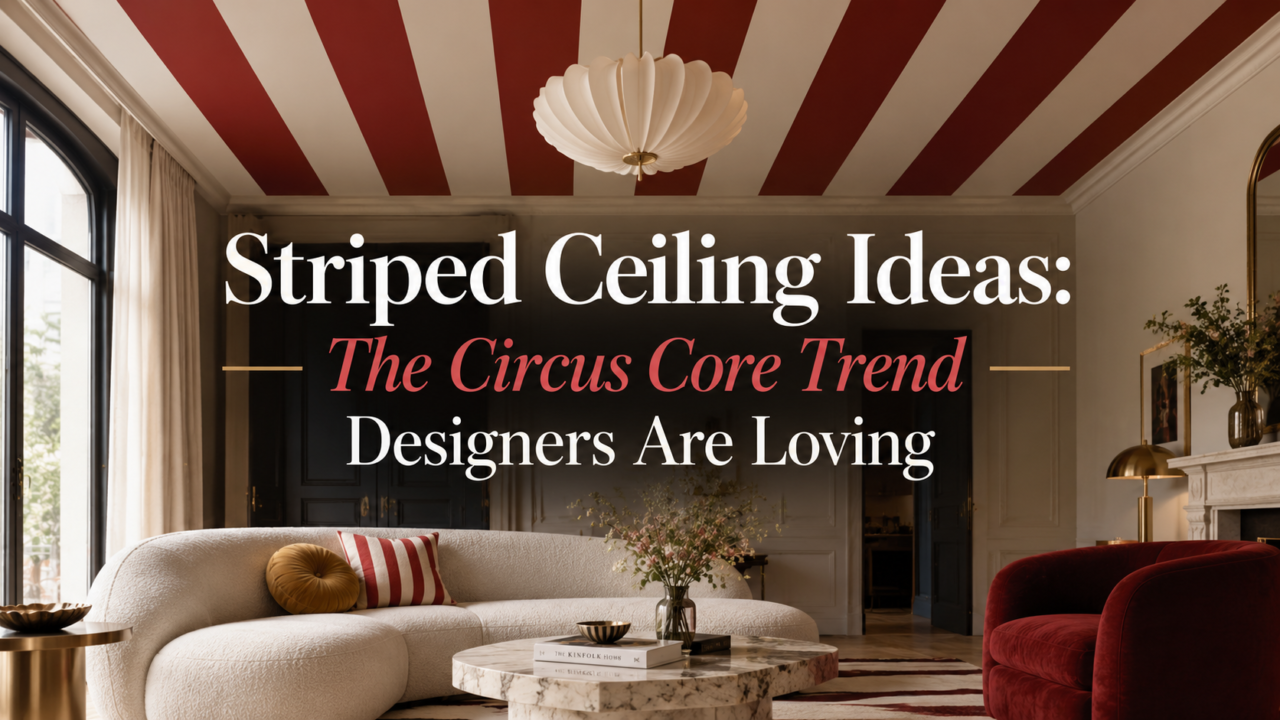
Ceilings are becoming much more than an overlooked fifth wall. In 2026, striped ceiling ideas are bringing playful pattern, unexpected color, and a little theatrical charm into interiors. Inspired by circus tents, vintage interiors, and whimsical European spaces, the look has a distinctly expressive character.
The appeal of a striped ceiling is that it changes the atmosphere of a room without taking up any floor space. Bold stripes can make a small room feel more memorable, while softer color combinations can add architectural interest without becoming overwhelming.
Bold Striped Ceiling Ideas That Make Any Room Stand Out

You can take the trend in several directions. Wide stripes create a dramatic statement, narrow stripes feel more delicate, and curved or radiating layouts can create a more theatrical effect. The colors can also range from classic cream and red to unexpected combinations such as butter yellow and soft pink.
This guide explores creative striped ceiling ideas, from subtle painted treatments to bold circus inspired designs, along with practical ways to balance this playful trend with the rest of your interior.
Why Striped Ceilings Are Having a Moment
A striped ceiling instantly draws the eye upward and gives an ordinary room a stronger sense of identity. It can highlight an interesting architectural shape, define a specific area, or simply introduce pattern where walls and furniture feel too restrained.
The key to making the look feel intentional is choosing a stripe design that works with the proportions and personality of the room. When the colors, width, and direction are carefully considered, a striped ceiling can feel surprisingly sophisticated rather than purely decorative.
Start With the Right Stripe
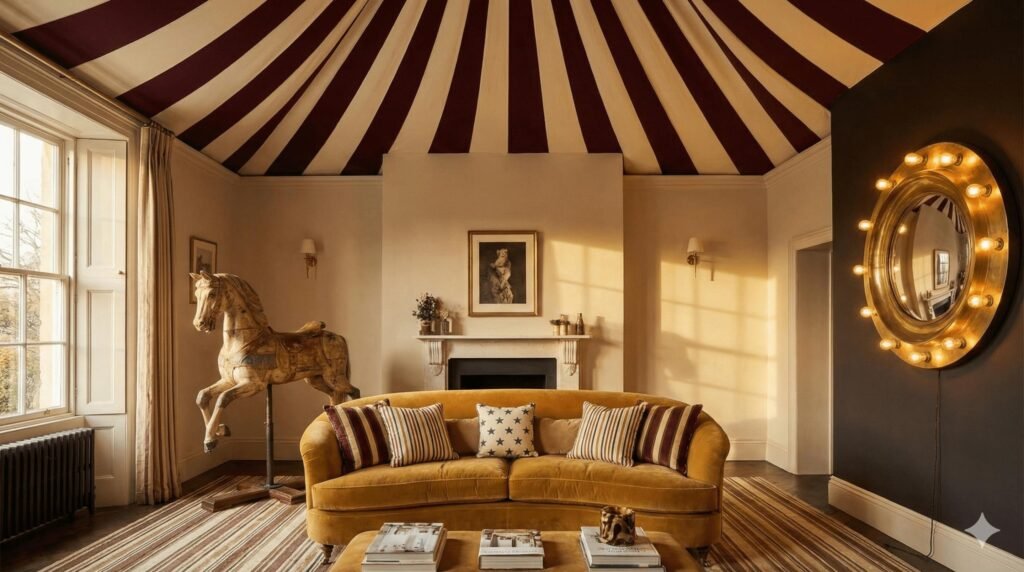
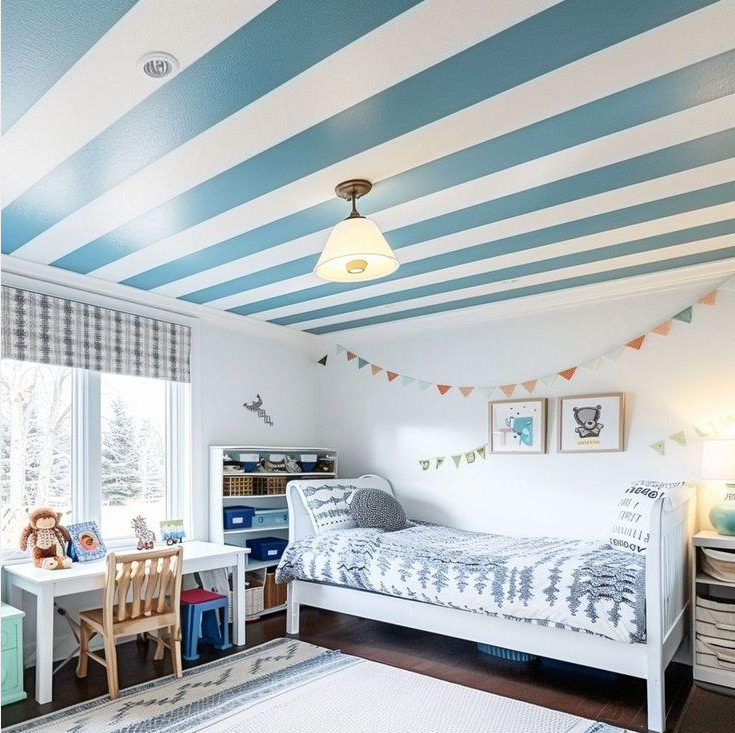
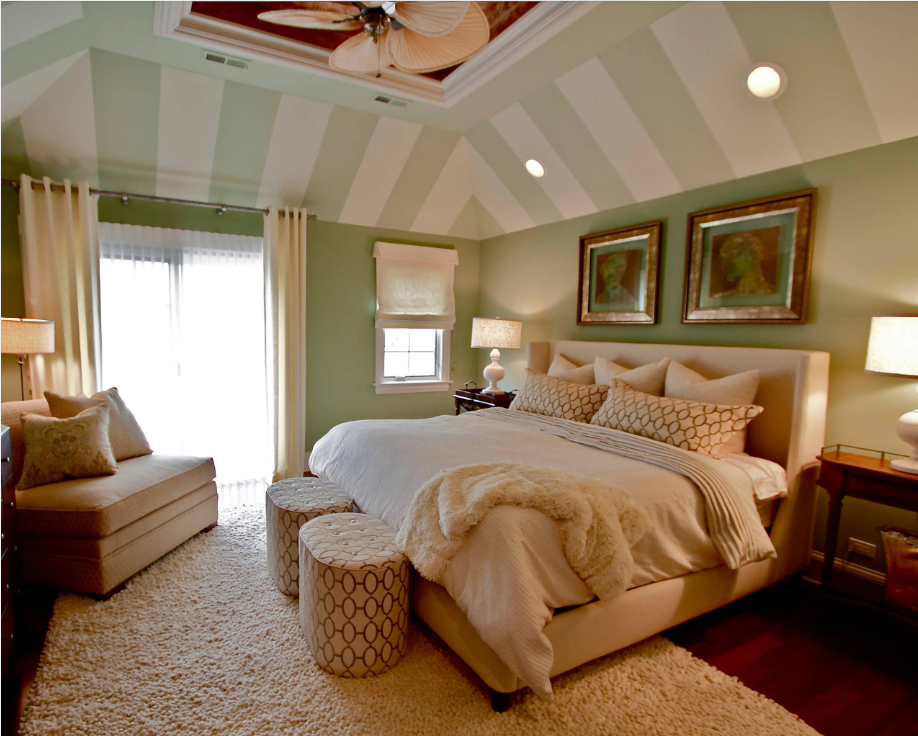
The stripe itself is where the personality of this ceiling trend begins. Wide, evenly spaced bands create a bold architectural effect, while narrow stripes feel more delicate and nostalgic. If you want a playful circus inspired atmosphere without making the room feel theatrical, slightly wider stripes in muted colors can offer a more sophisticated interpretation.
Color choice matters just as much as the pattern. Classic combinations such as warm white and terracotta can create a vintage feeling, while butter yellow and cream bring a softer contemporary look. For something more dramatic, deep green, burgundy, dusty pink, or navy can turn the ceiling into a genuine focal point.
Think about the room below before choosing your colors. A patterned ceiling already provides plenty of visual interest, so furniture and walls can remain relatively calm. Repeating one ceiling color through a cushion, lamp, rug, or artwork can also make the entire scheme feel connected.
A Playful Ceiling With Designer Appeal
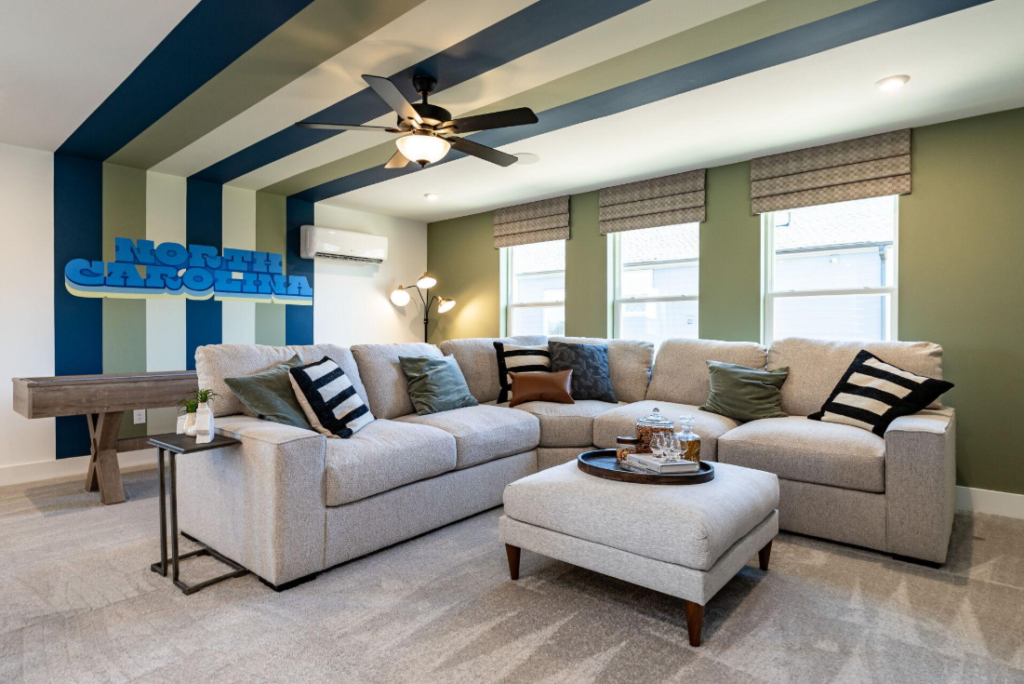
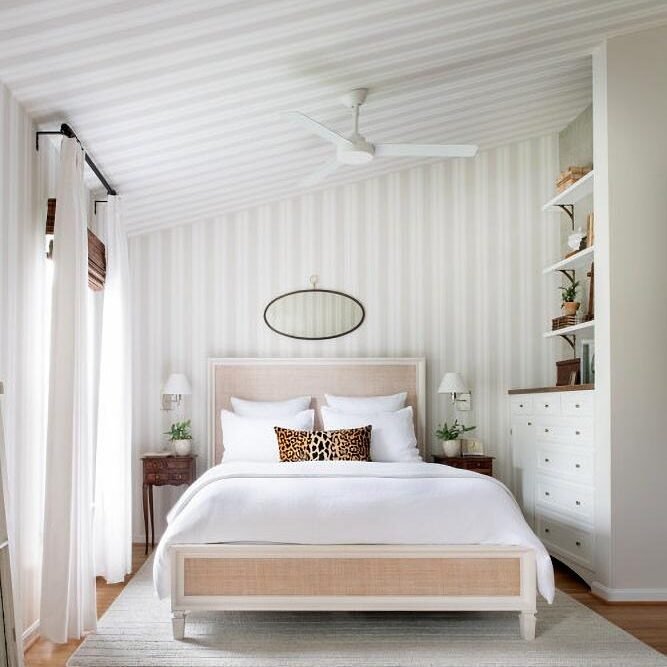
One of the reasons striped ceilings work so well is their ability to combine nostalgia with modern decorating. The result can feel whimsical without looking childish, especially when the pattern is paired with elegant lighting, natural materials, vintage furniture, or contemporary shapes.
A Playful Ceiling With Designer Appeal
Let the Ceiling Define the Room
A striped ceiling can do more than add color. It can visually define a particular zone, especially in open plan homes where the living, dining, and kitchen areas share one large space. A patterned ceiling above a dining table or seating area creates a subtle boundary without the need for walls.
This approach works particularly well when the stripes follow the shape of the furniture underneath. In a dining area, for example, stripes running across the ceiling can emphasize the table and make the entire setting feel more intentional. In a sitting area, a centered pattern can frame the main seating arrangement.
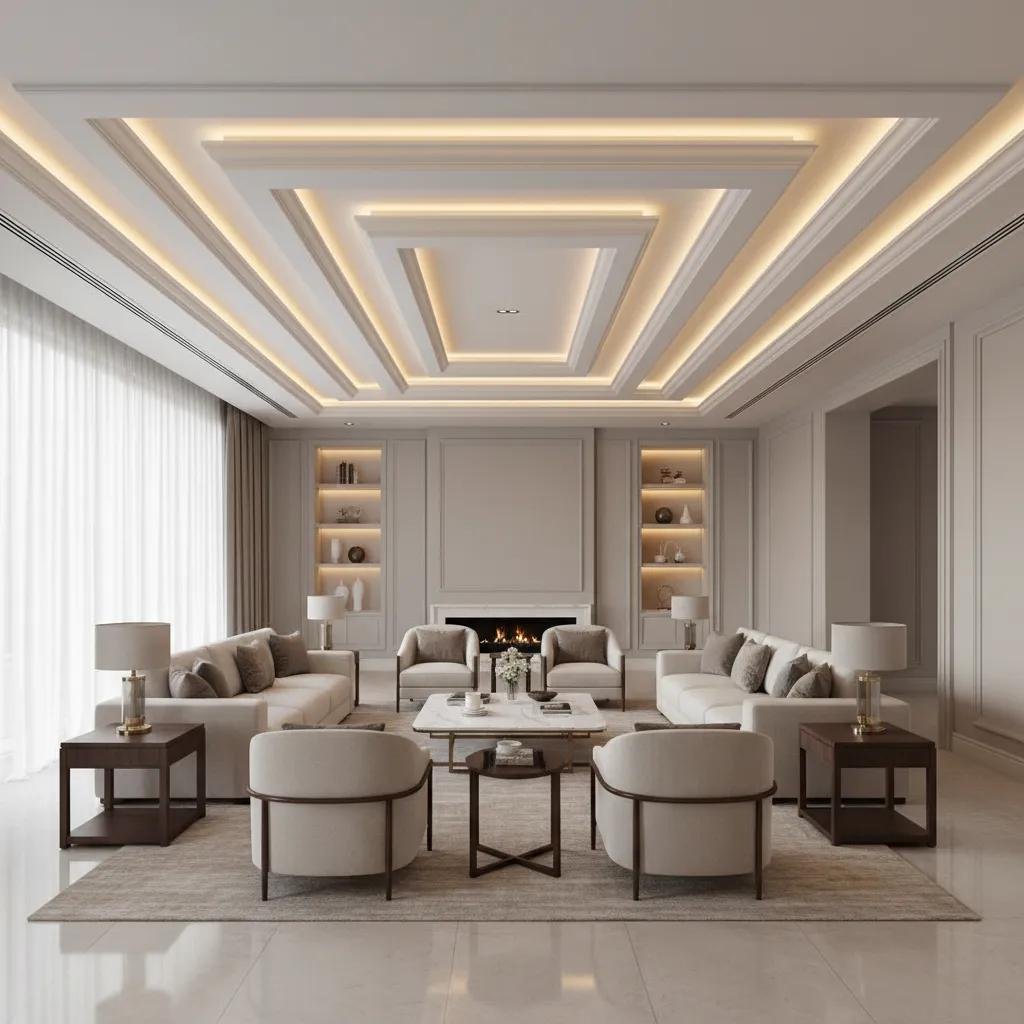
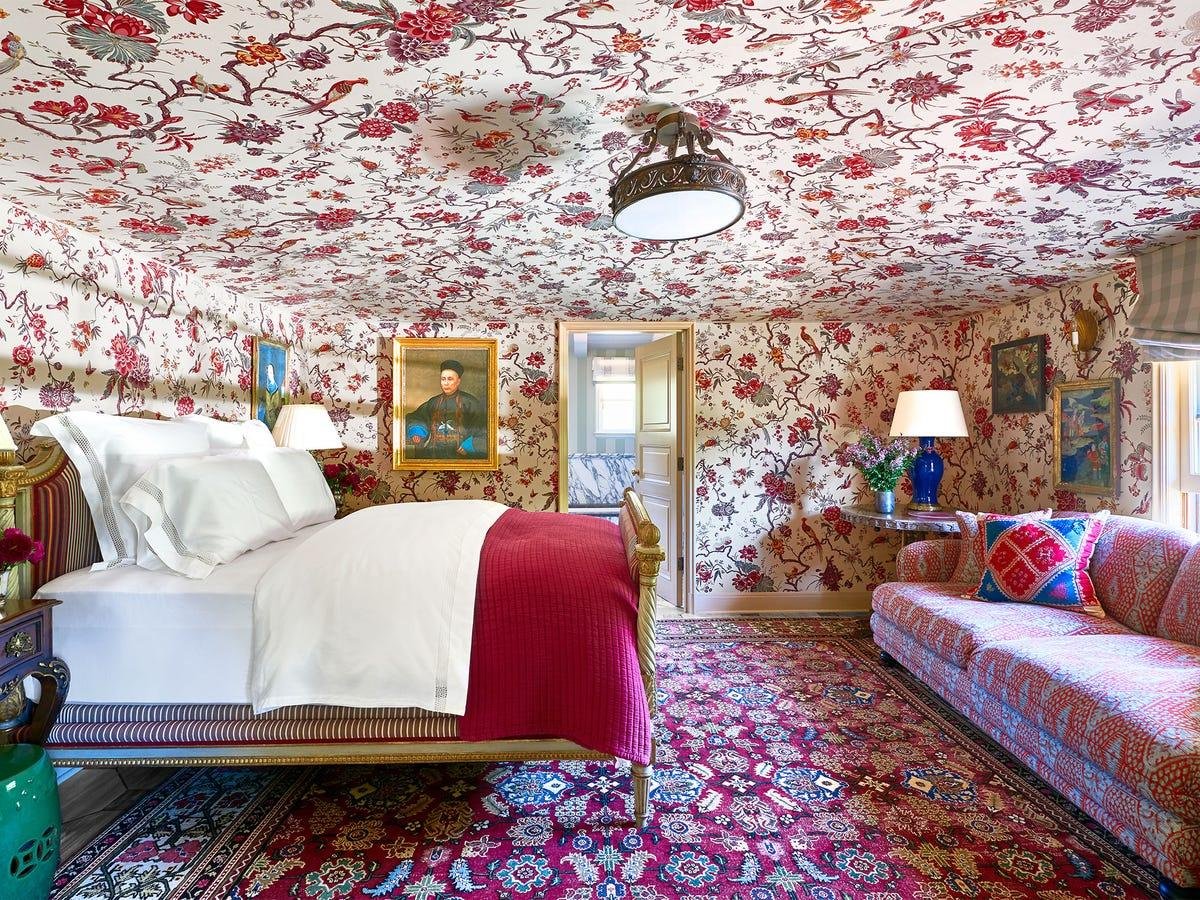
For rooms with interesting architectural features, use the stripes to enhance what is already there. A tray ceiling, vaulted ceiling, alcove, or exposed beam structure can become much more distinctive when the pattern follows its lines.
Keep the surrounding architecture relatively simple so the ceiling remains the visual anchor. The result should feel designed rather than decorated, with the pattern becoming part of the room’s overall structure.
Looking for practical ideas? Explore our guide to [Home Decor Ideas 2026] for more inspiration.
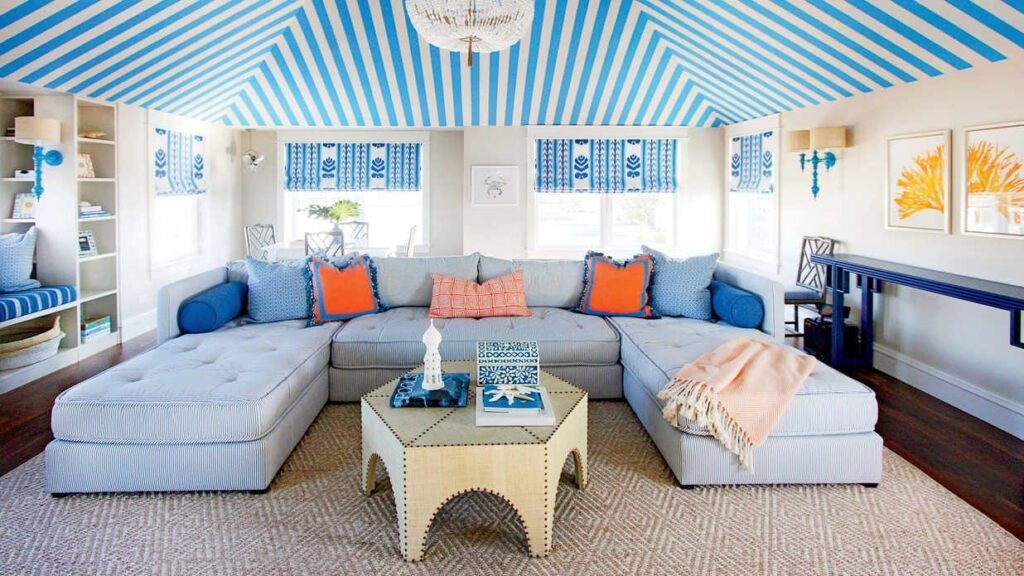
Use Pattern to Create Zones
A striped ceiling is especially effective when it gives an otherwise open space a clear visual identity. The ceiling becomes a quiet architectural tool that guides attention and creates separation while keeping the room connected.
Make Small Rooms More Memorable
A small room can be an ideal place to experiment with a striped ceiling. Because the pattern occupies an unexpected surface, it can give a compact space a strong identity without requiring a large collection of furniture or accessories.
In a narrow hallway, powder room, reading nook, or small dining area, stripes can create a sense of movement and make the ceiling feel like an intentional design feature. Lighter colors can keep the effect airy, while darker combinations create a more intimate atmosphere.
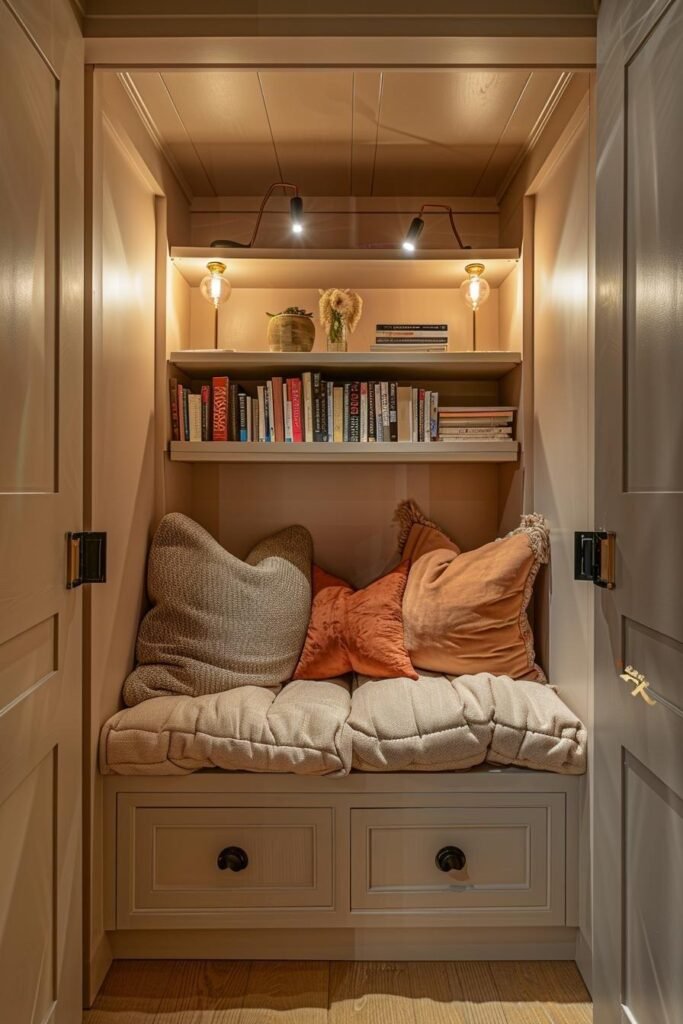
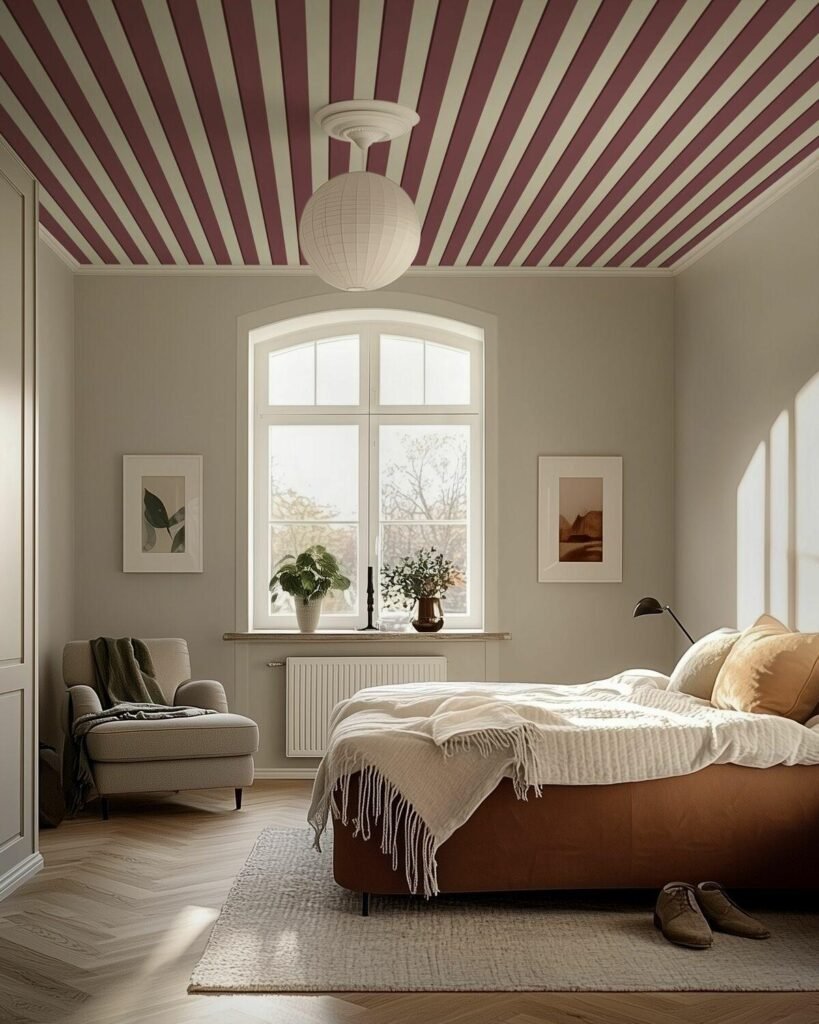
If the room already has patterned wallpaper or decorative furniture, consider using a simple two color ceiling. This keeps the visual layers under control while still giving the space that playful circus inspired character.
Mirrors, glass lighting, and pale flooring can help balance a bolder ceiling. These reflective and light elements prevent the pattern from making a compact room feel visually heavy.
Think Beyond the Living Room
Striped ceilings do not have to be reserved for large entertaining spaces. Their unexpected placement makes them particularly charming in rooms where a little personality can transform the entire atmosphere.
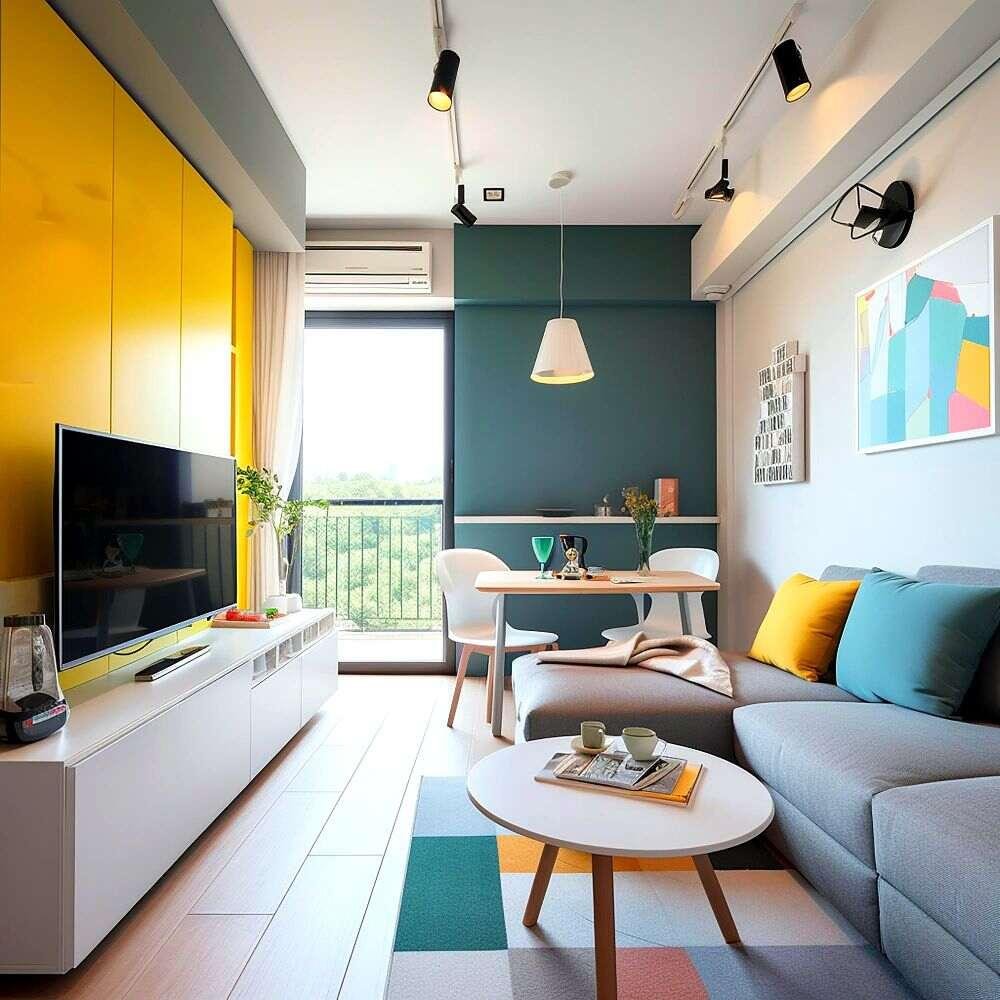
Make Small Rooms More Memorable
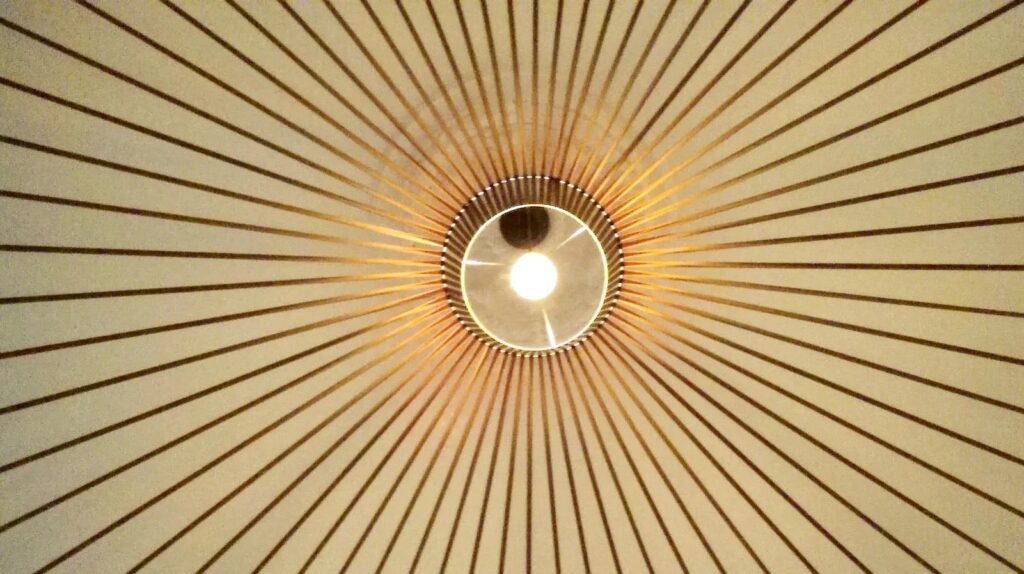
Try Curved and Radial Patterns
Not every striped ceiling needs straight lines running from one side of the room to the other. Curved and radial patterns offer a more theatrical interpretation of the trend and can create a striking sense of movement overhead.
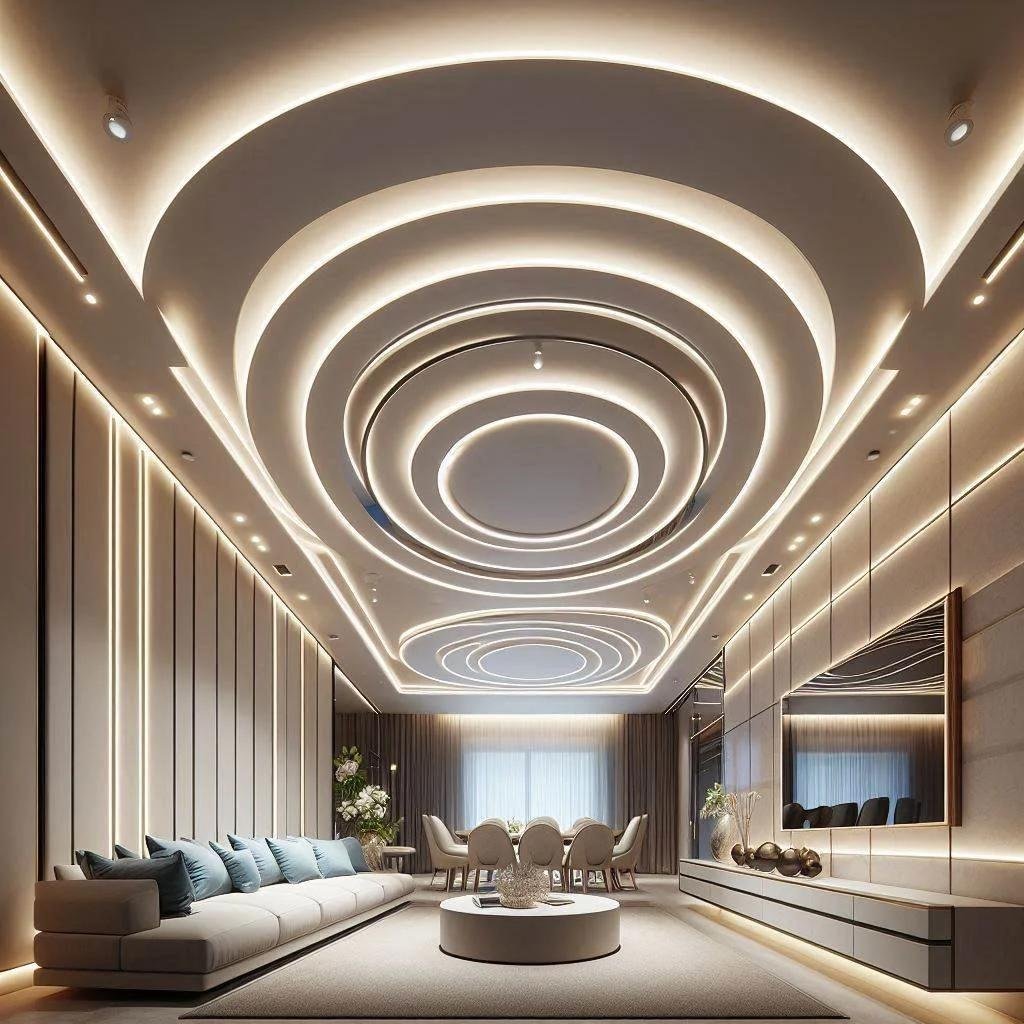
A radial design works especially well around a central light fixture. The stripes can spread outward from a chandelier or pendant, naturally drawing attention toward the middle of the room. This approach is particularly effective above a round dining table or seating arrangement.
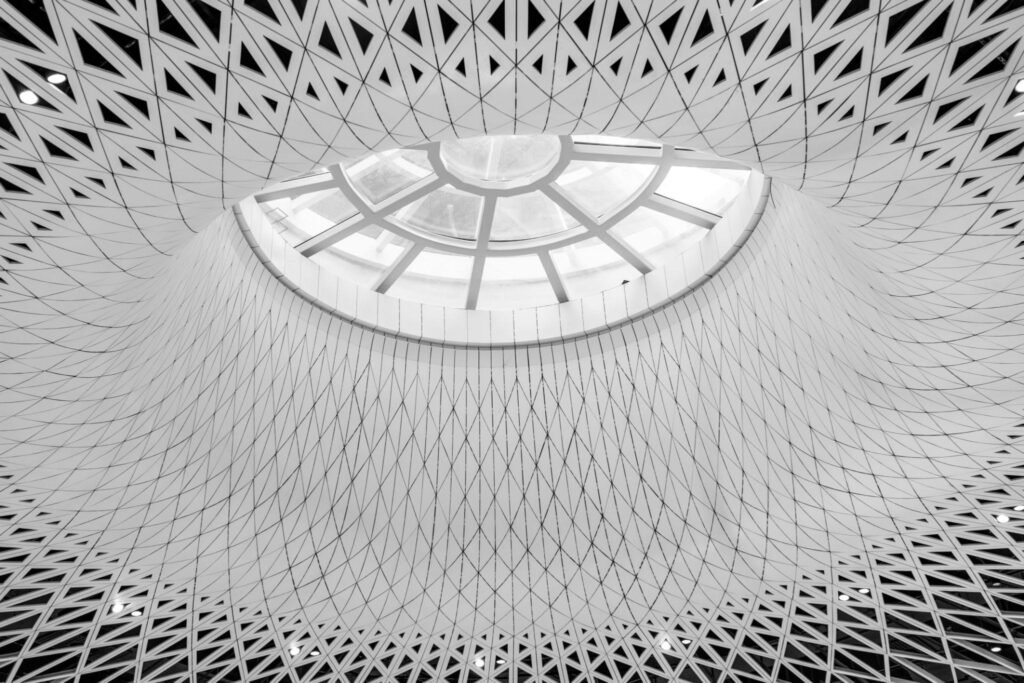
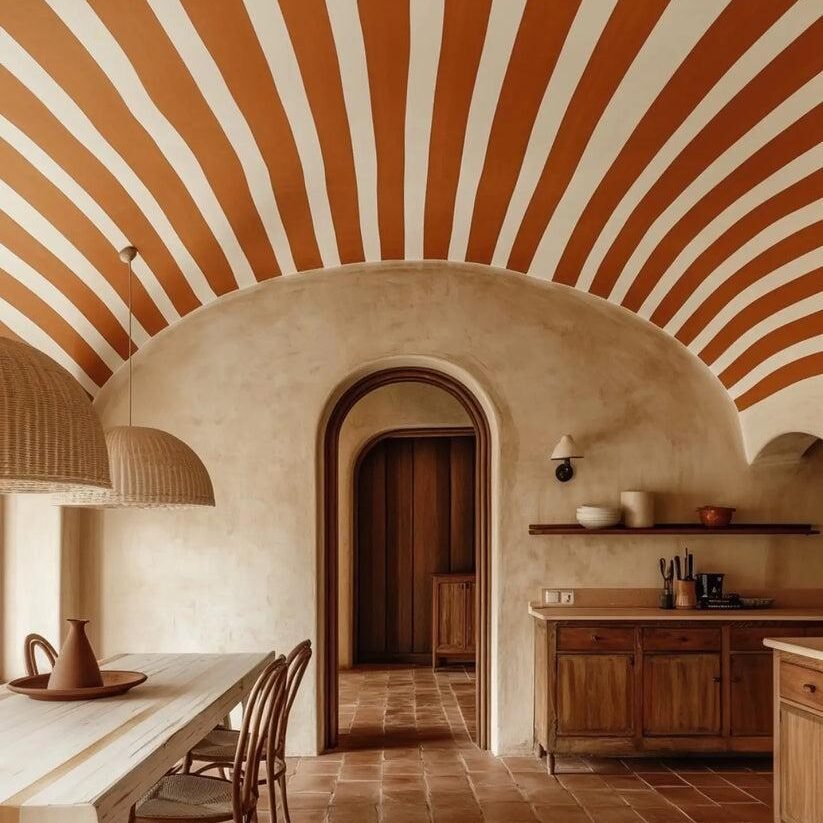
Curved stripes can create a softer effect. Instead of sharp, perfectly parallel lines, flowing bands can follow the shape of a vaulted ceiling or architectural curve, giving the room a more artistic character.
Because these patterns are naturally expressive, keep the rest of the room relatively edited. Simple furniture, restrained accessories, and a limited color palette allow the ceiling to provide the drama.
Turn the Fifth Wall Into Art
The ceiling becomes almost mural like when stripes are arranged in a curved or radial composition. It is a creative way to capture the theatrical spirit of circus inspired interiors while keeping the overall design polished.
Try Curved and Radial Patterns
Keep the Walls Calm
A statement ceiling usually looks more sophisticated when the walls give it room to breathe. Instead of competing with the stripes through another strong pattern, consider using a quiet wall color that picks up one of the ceiling shades.
Warm white, creamy beige, soft blush, muted sage, and pale blue can all provide an elegant backdrop. This creates a visual hierarchy where the ceiling attracts attention while the walls support the overall palette.
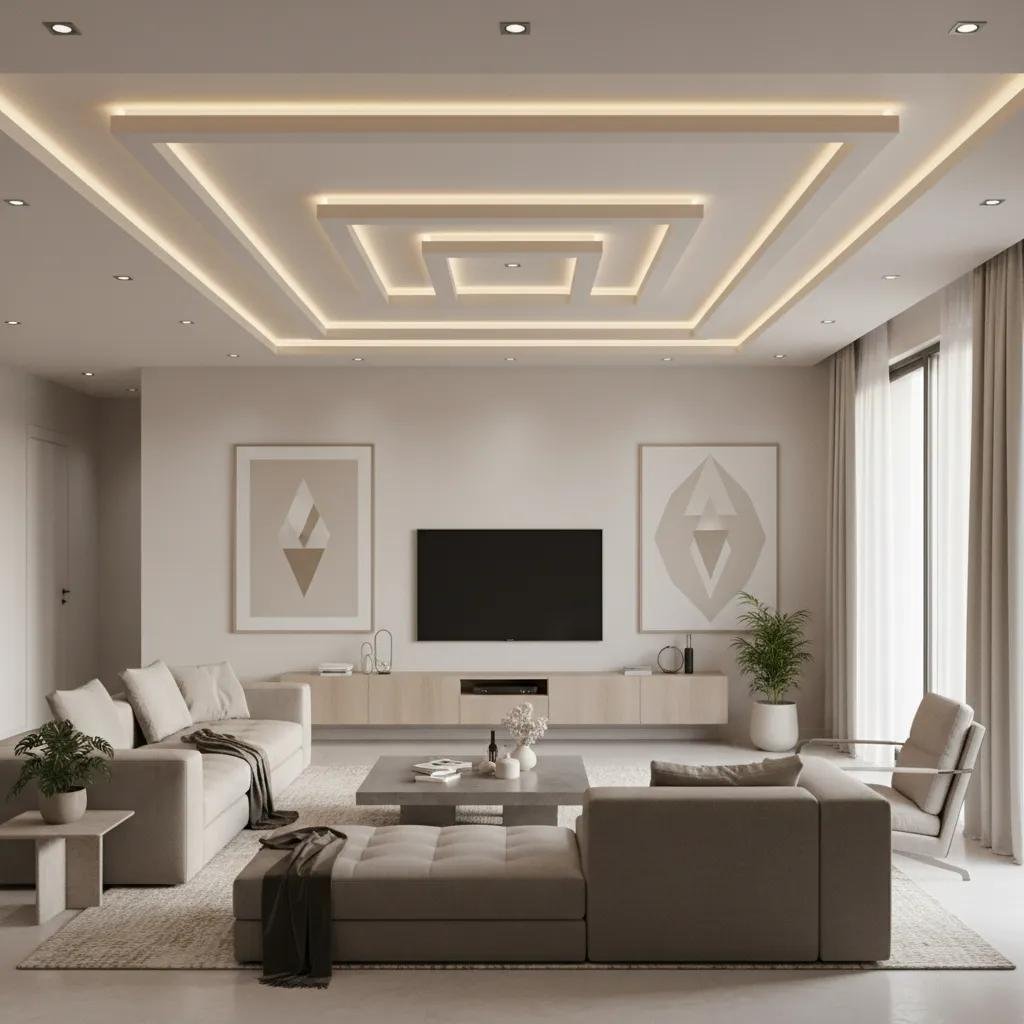
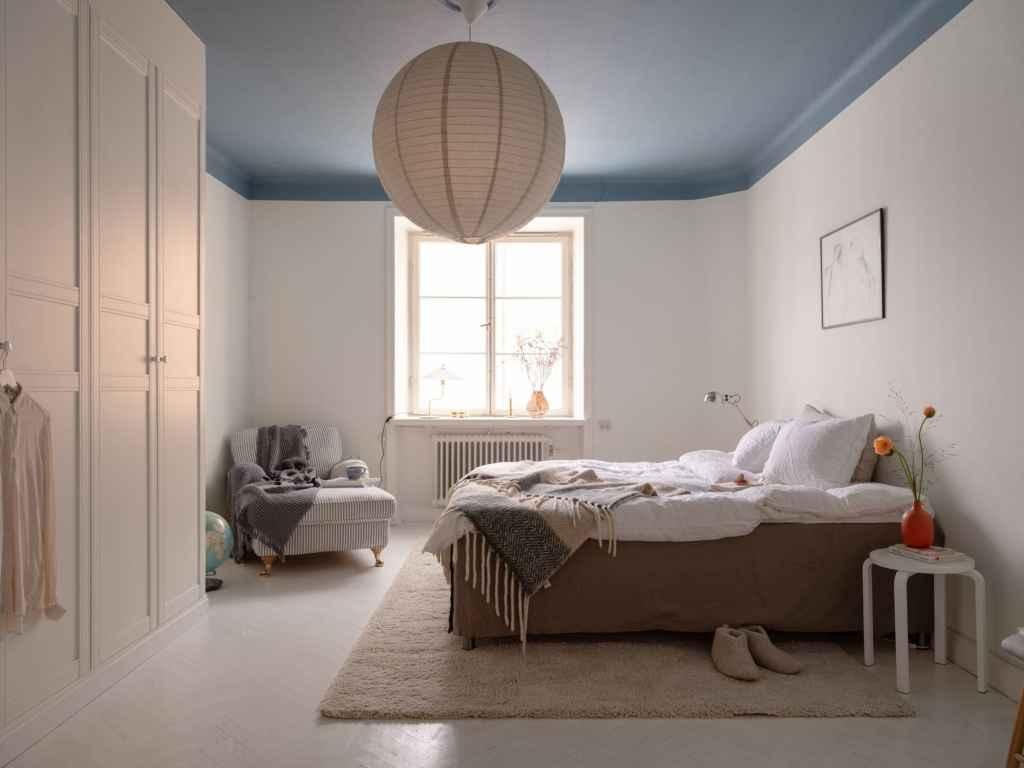
This does not mean the rest of the room has to be completely plain. Texture can add interest without creating another dominant pattern. Think linen curtains, plaster finishes, woven furniture, natural wood, or softly textured upholstery.
Artwork can also be used strategically. A few carefully selected pieces can bring personality to the walls while keeping the ceiling as the main decorative feature.
Give the Pattern Some Breathing Room
The most successful circus inspired interiors often balance theatrical elements with quieter ones. When the ceiling provides the pattern, calm walls and tactile materials can make the room feel collected rather than visually overwhelming.
Play With Unexpected Color
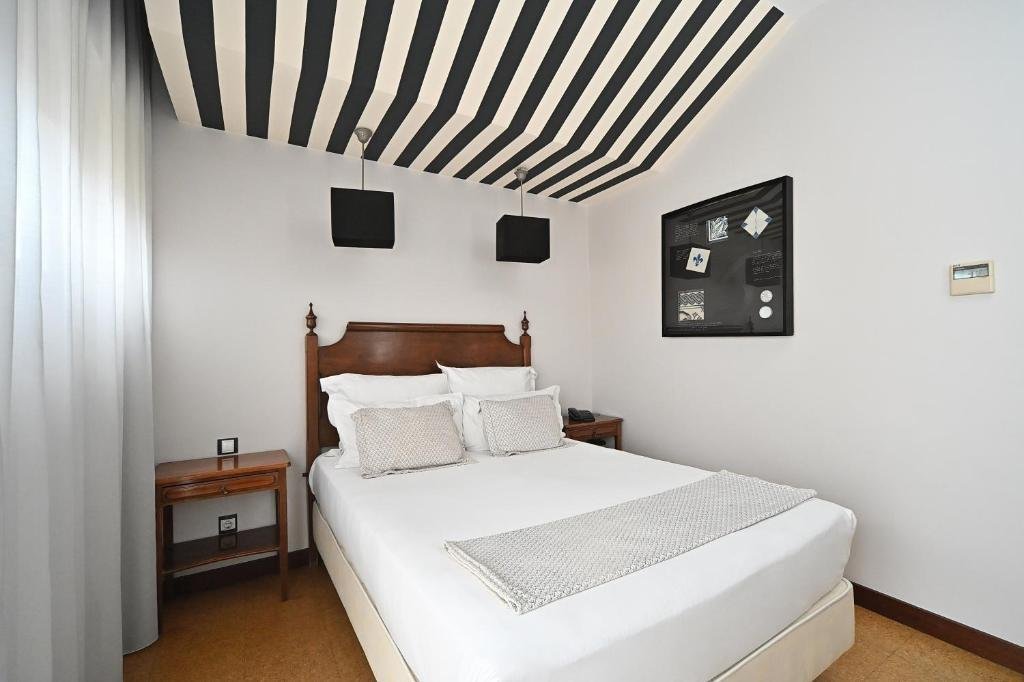
The circus core aesthetic gives you permission to move beyond traditional ceiling colors. Instead of relying only on white and red, consider combinations that feel unexpected but still sophisticated.
Butter yellow and dusty pink create a soft vintage mood, while terracotta and cream feel warmer and more earthy. Deep green with pale blue can give the ceiling a more eclectic character, while burgundy paired with blush creates a richer and more dramatic effect.
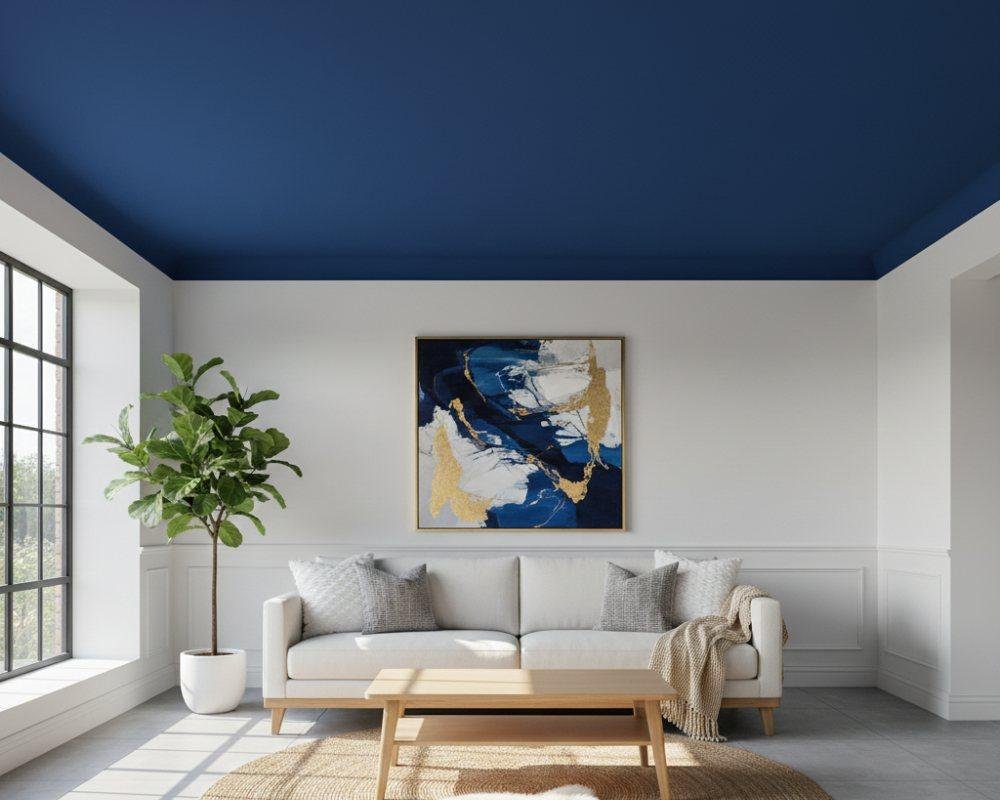
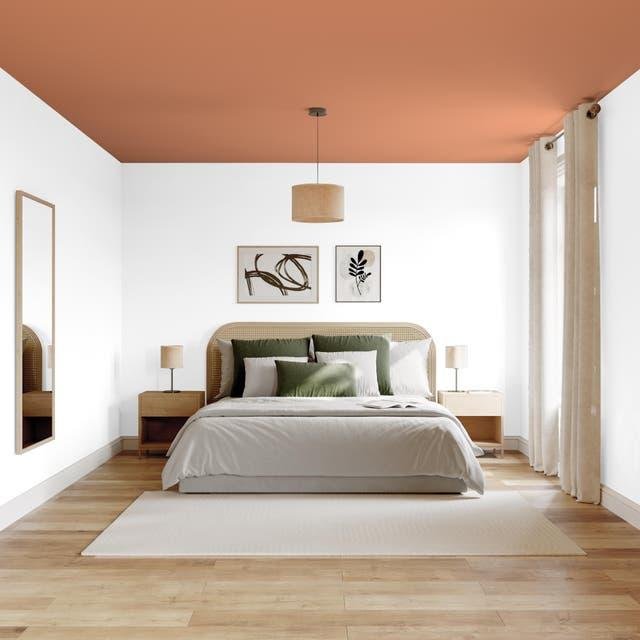
If you are nervous about using strong colors overhead, choose one saturated shade with a muted companion. This allows the stripes to remain noticeable without turning the entire room into a collection of competing colors.
You can also repeat the stronger ceiling color in small details below. A single chair, vase, cushion, or piece of artwork can create enough connection to make the palette feel deliberate.
Make Color the Conversation
The most interesting striped ceilings often feel personal rather than predictable. An unexpected color combination can give a familiar room a distinctive character while still allowing the furniture and architecture to remain timeless.
Match the Pattern to the Architecture
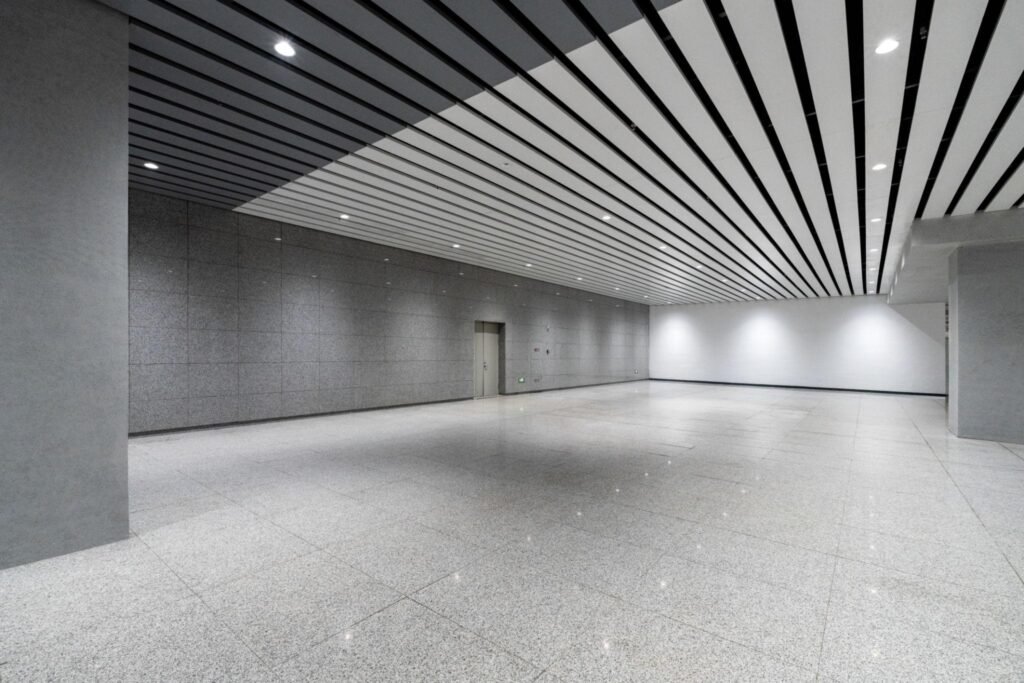
The shape of the ceiling should influence the direction and scale of your stripes. A thoughtful pattern can emphasize the natural structure of a room instead of simply sitting on top of it as decoration.
In a long rectangular room, stripes running across the shorter width can create a stronger sense of structure. In a square room, symmetrical stripes can emphasize the balanced proportions and make a central light fixture feel more prominent.
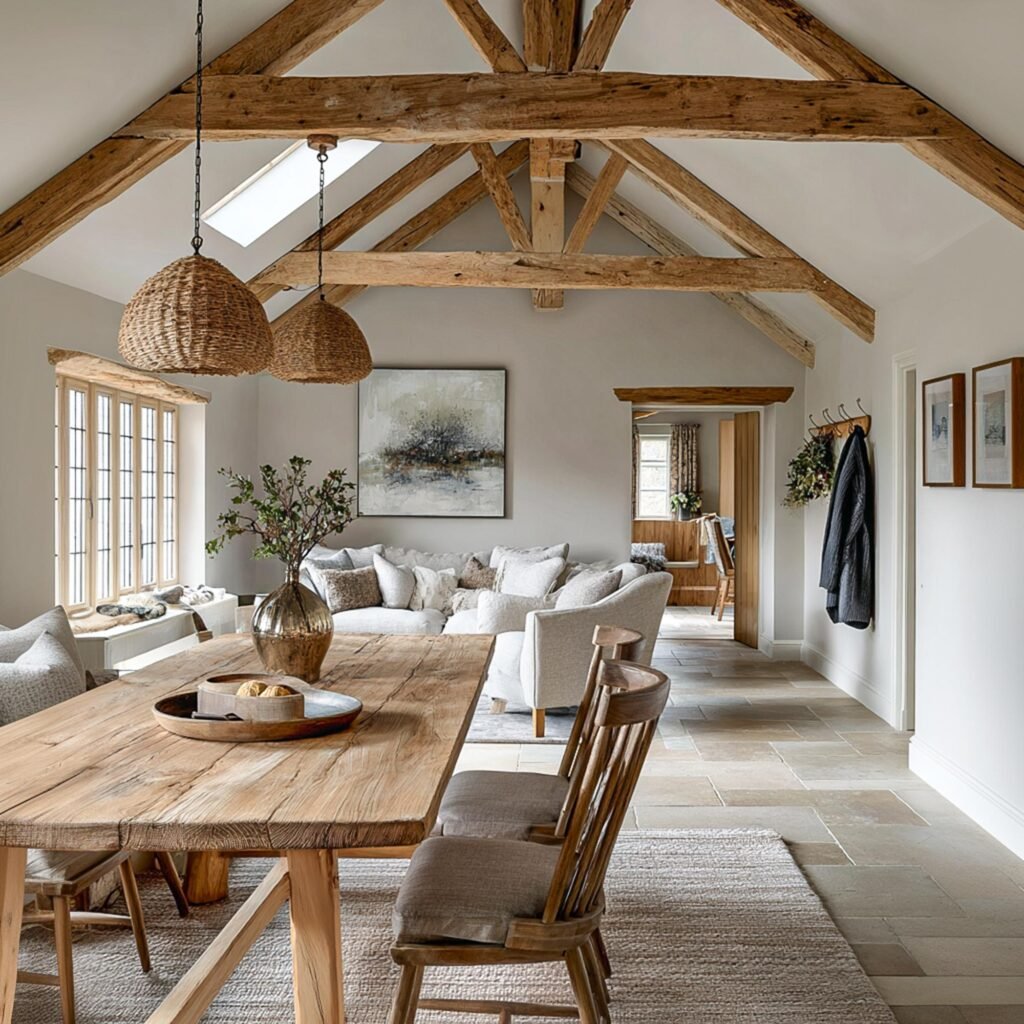
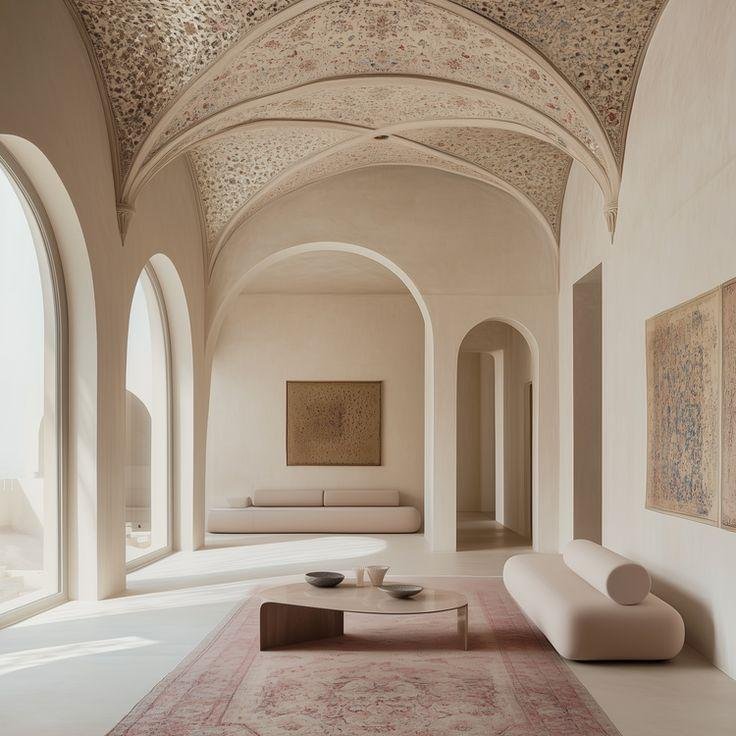
Vaulted and sloped ceilings offer another opportunity. Following the architectural lines can make the pattern feel integrated into the room, while a contrasting direction can create a more dramatic visual effect.
Consider the height of the ceiling as well. Bold stripes can make a high ceiling feel more intimate, while lighter stripes with generous spacing can preserve an airy feeling in rooms with lower ceilings.
Let Architecture Lead
When the stripe pattern responds to the shape of the room, the result feels more intentional. The ceiling becomes part of the architecture rather than an isolated decorative experiment.
Match the Pattern to the Architecture
Bring in Vintage Details
A striped ceiling naturally has a nostalgic quality, so vintage inspired furniture and accessories can make the design feel especially cohesive. The goal is not to recreate a period room, but to combine a few old fashioned details with contemporary comfort.
Look for pieces with rounded silhouettes, turned wooden legs, antique brass finishes, or softly worn materials. A vintage style armchair, curved side table, or classic cabinet can echo the playful character of the ceiling without making the room feel like a themed set.
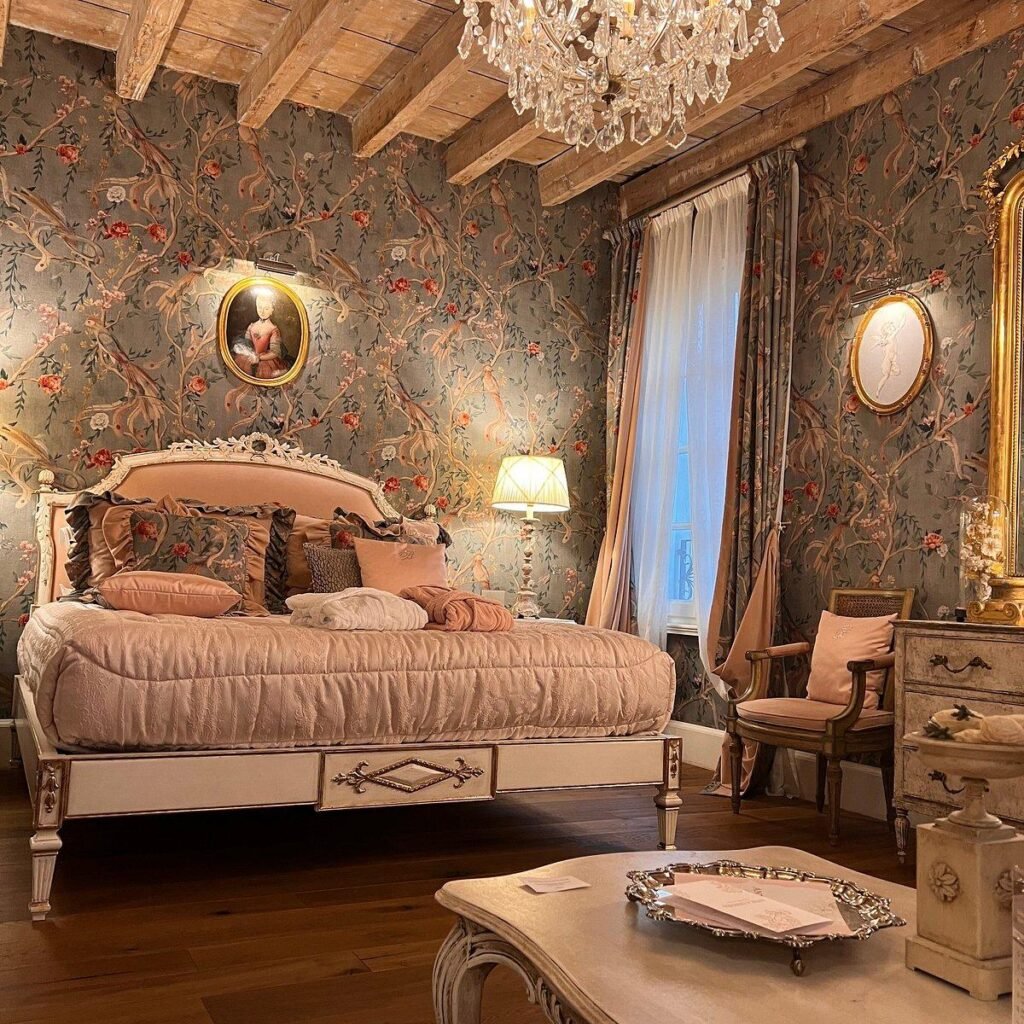
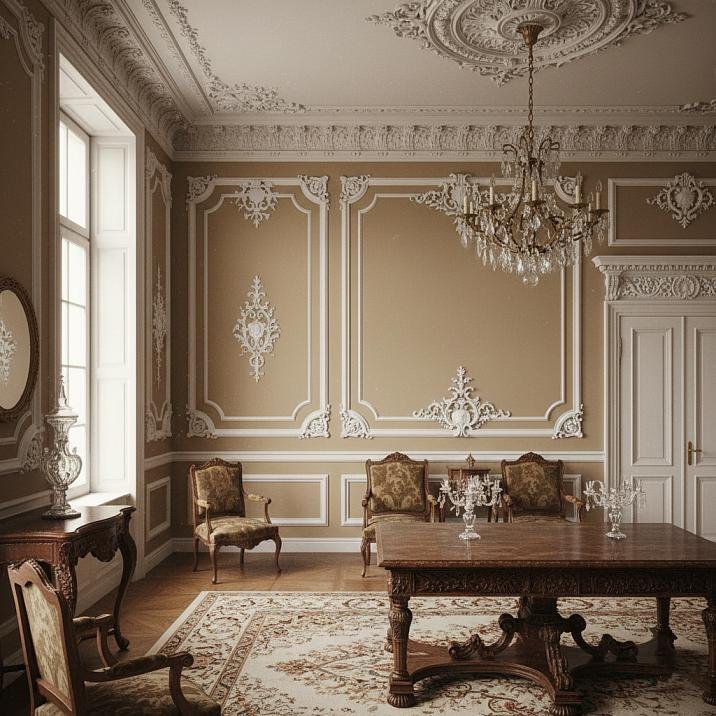
Lighting is another opportunity to connect the styles. Opal glass lamps, brass sconces, pleated shades, and sculptural chandeliers can reinforce the nostalgic mood while still feeling appropriate for a modern home.
Keep the mix selective. One or two distinctive vintage pieces often have more impact than filling the room with antiques. Let the striped ceiling remain the unexpected feature that ties the whole scheme together.
Blend Old Character With New Comfort
The strongest circus core interiors combine nostalgia with contemporary living. Comfortable upholstery, practical furniture, and modern lighting can keep the room fresh while vintage details give the playful ceiling a sense of history.
Use Lighting to Highlight the Pattern
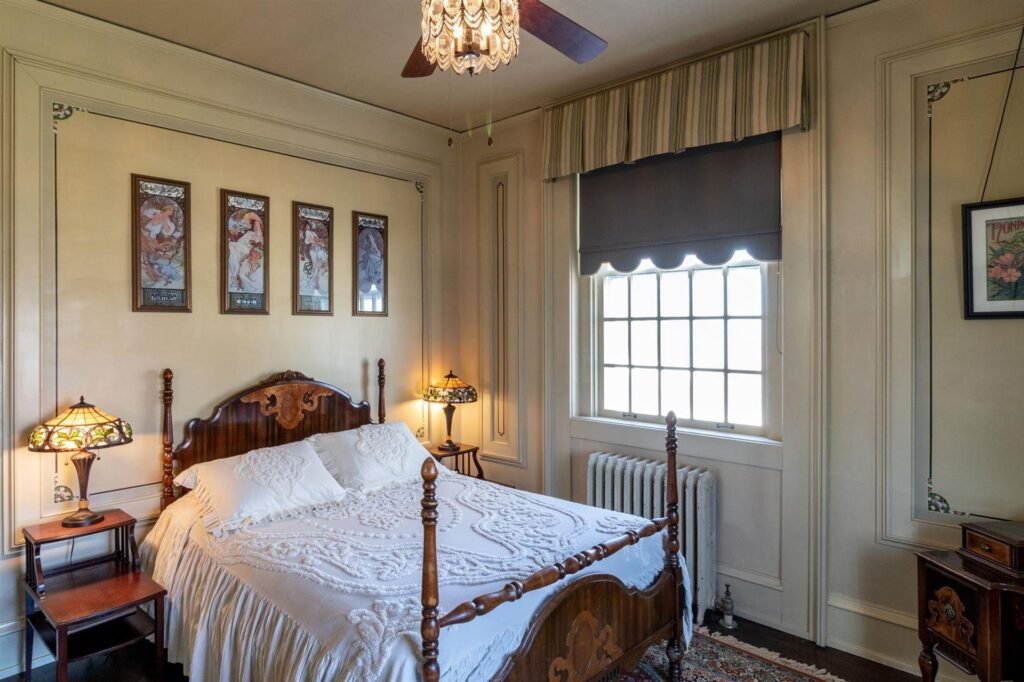
Lighting can completely change the way a striped ceiling looks throughout the day. During daylight, natural light reveals the color and rhythm of the stripes, while carefully chosen fixtures can make the pattern feel richer and more atmospheric after sunset.
A central pendant or chandelier is an easy way to emphasize the ceiling design. In a radial arrangement, the fixture can become the center of the pattern, while in a traditional striped ceiling it can provide a visual pause between the repeating lines.
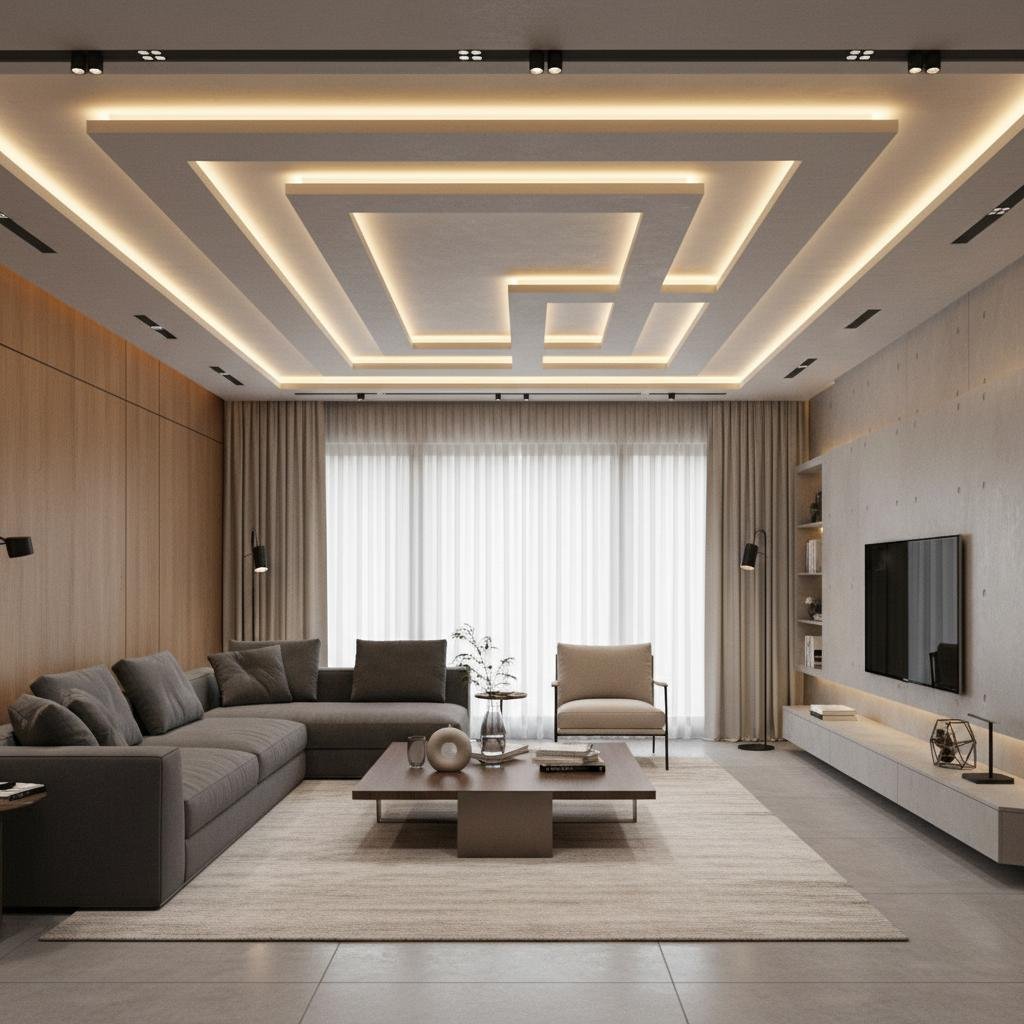
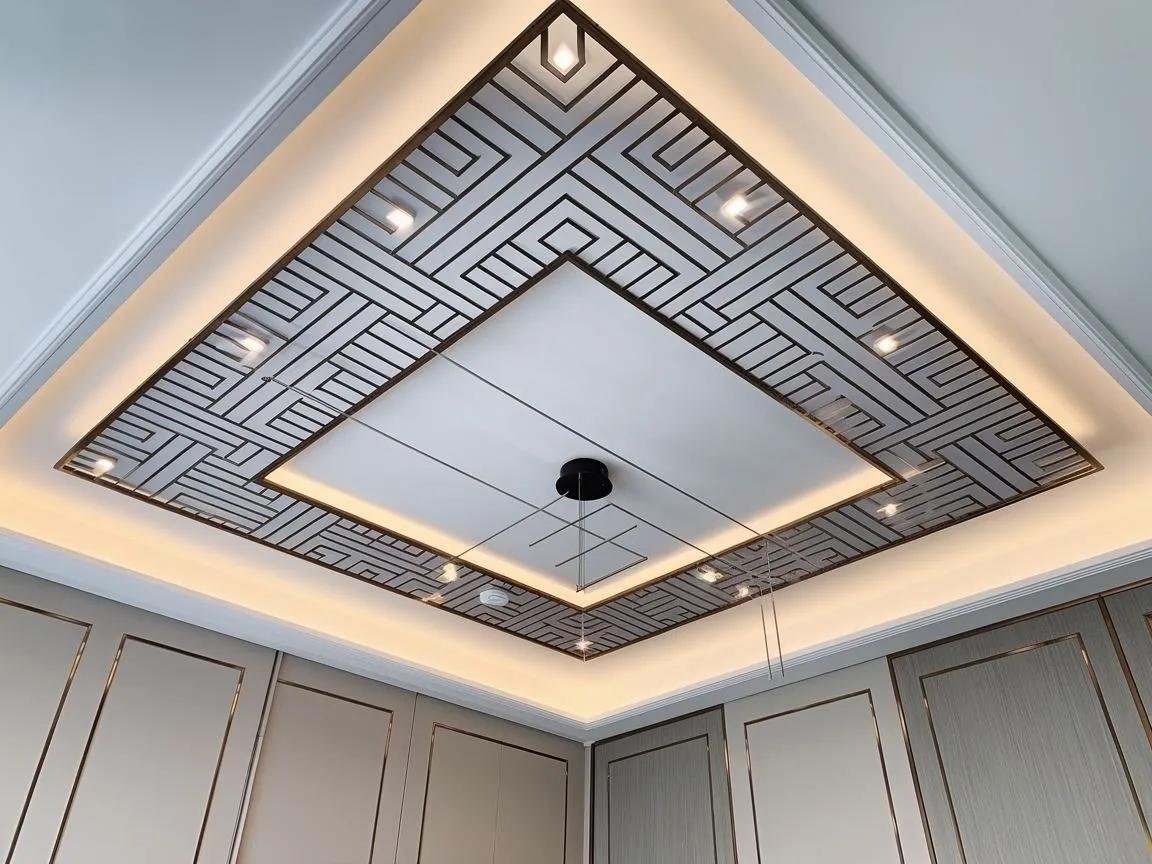
Wall sconces and floor lamps can add another layer of illumination without competing with the ceiling. Warm light tends to bring out creamy, earthy, and vintage inspired colors particularly well.
If the ceiling is already bold, avoid using too many visually complicated fixtures. A sculptural but relatively simple light can complement the pattern while keeping the room balanced.
Let Light Complete the Look
The right lighting turns a striped ceiling from a daytime statement into an evening feature. Think of the fixtures and ceiling as parts of one composition, with each element supporting the other.
Keep the Floor Grounded
When the ceiling carries a strong pattern, the floor can provide the visual stability that keeps the room feeling comfortable. Natural wood, stone, woven rugs, and understated flooring all work well beneath a more expressive ceiling.
A simple wooden floor is particularly effective because it adds warmth without introducing another dominant pattern. If you prefer a rug, choose a design with a quieter motif or a texture that complements the ceiling colors.
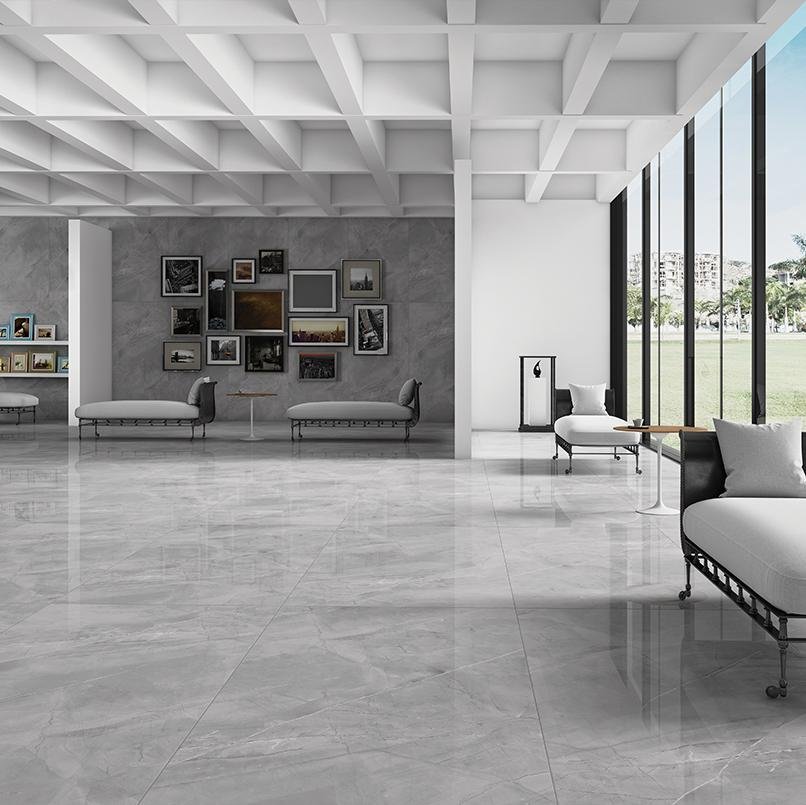
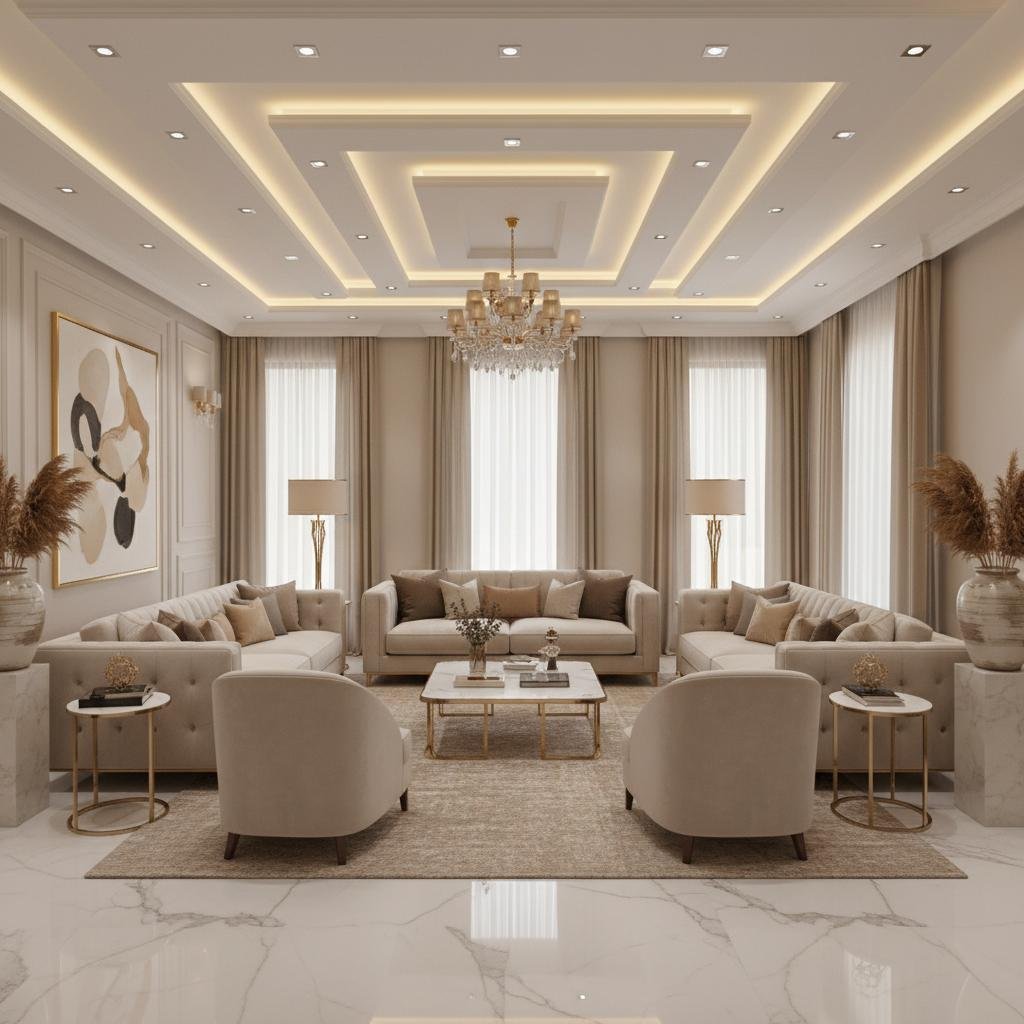
The furniture can follow the same principle. Soft upholstery, natural materials, and simple silhouettes create a calm foundation, allowing the stripes overhead to remain the main visual statement.
This balance is especially useful when working with bold colors. A dramatic ceiling paired with a restrained floor and thoughtfully edited furniture can feel playful and sophisticated at the same time.
Create a Visual Anchor
The ceiling may be the star, but the lower half of the room should still feel grounded. Keeping the flooring and larger furniture relatively calm creates a deliberate contrast that makes the striped pattern feel even more striking.
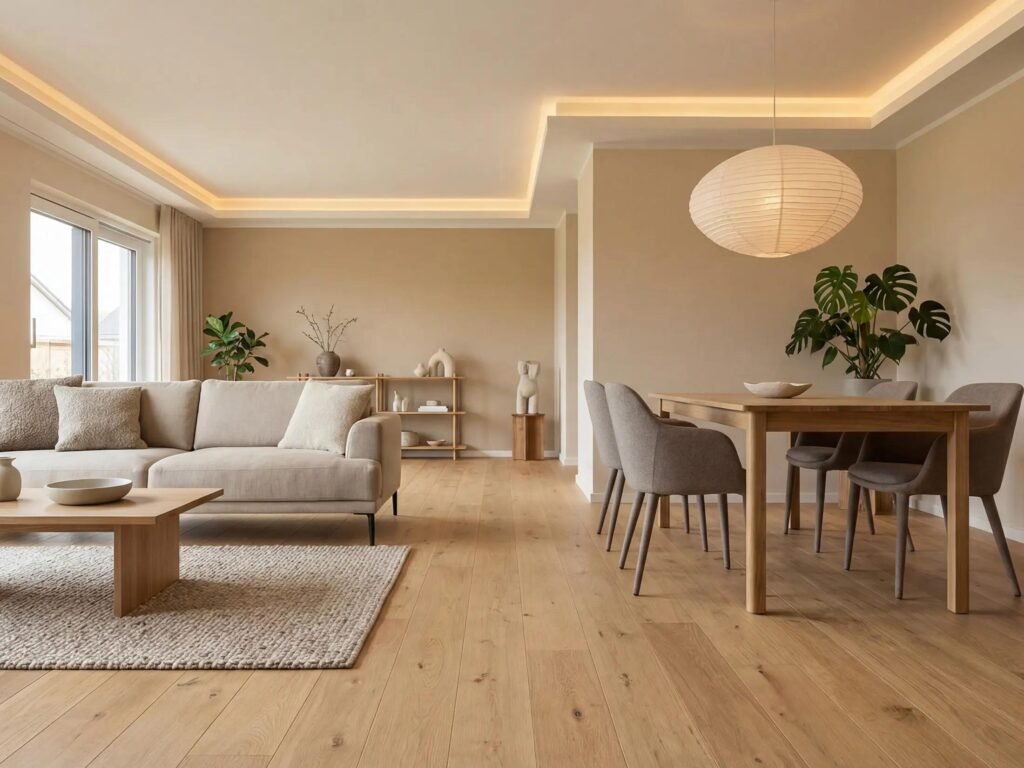
Know When to Keep It Subtle
Not every striped ceiling needs to make a dramatic statement. A quieter version can bring the same sense of personality while working beautifully in homes with a more restrained decorating style.
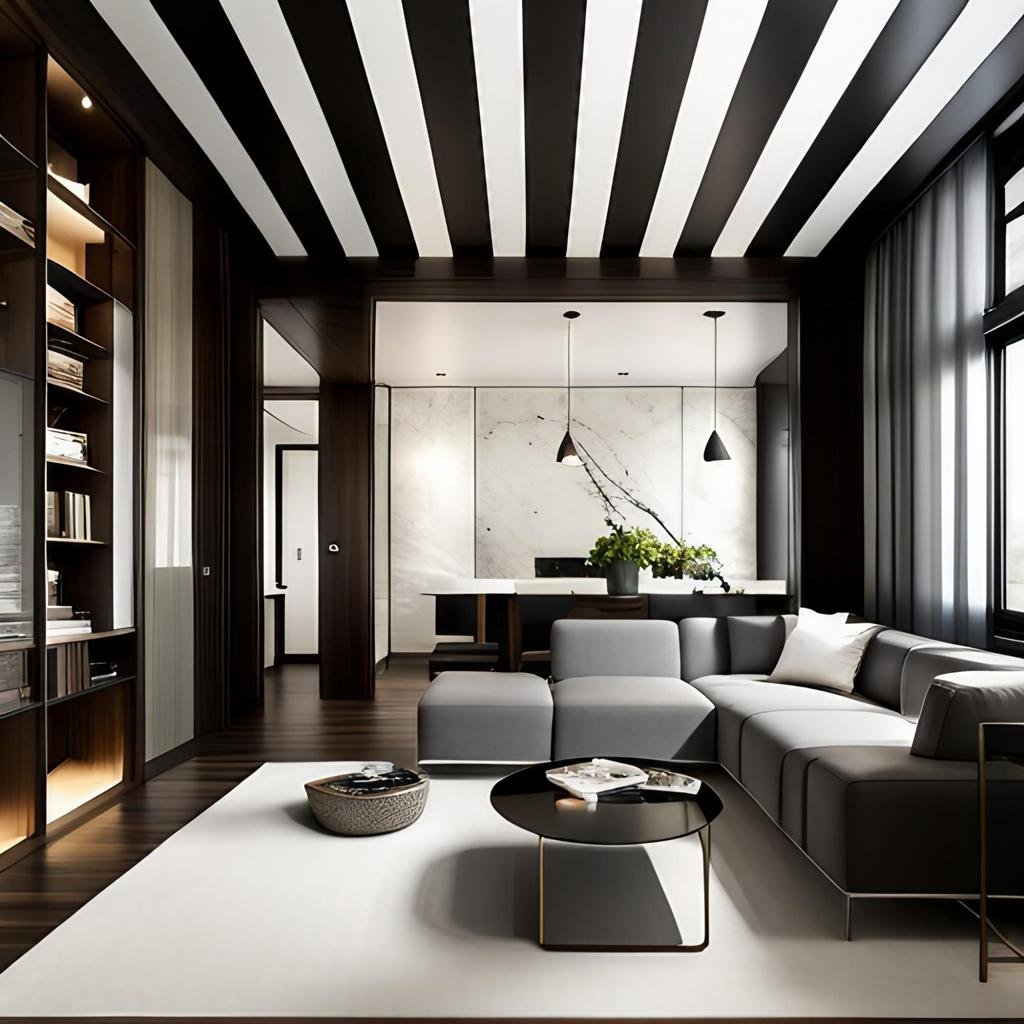
Try using two closely related shades, such as ivory with a slightly warmer cream, or pale blue with a soft white. Narrow stripes in these combinations create gentle movement that becomes more noticeable as the light changes.
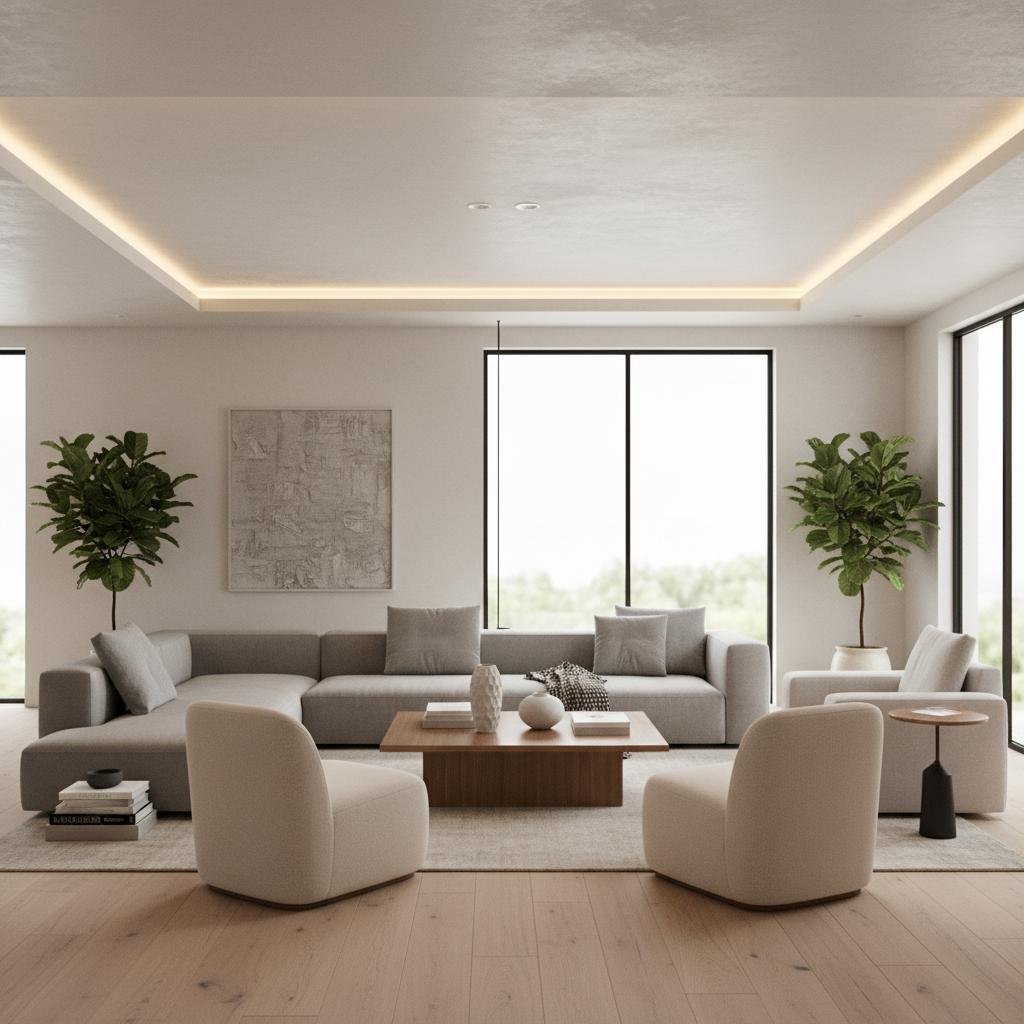
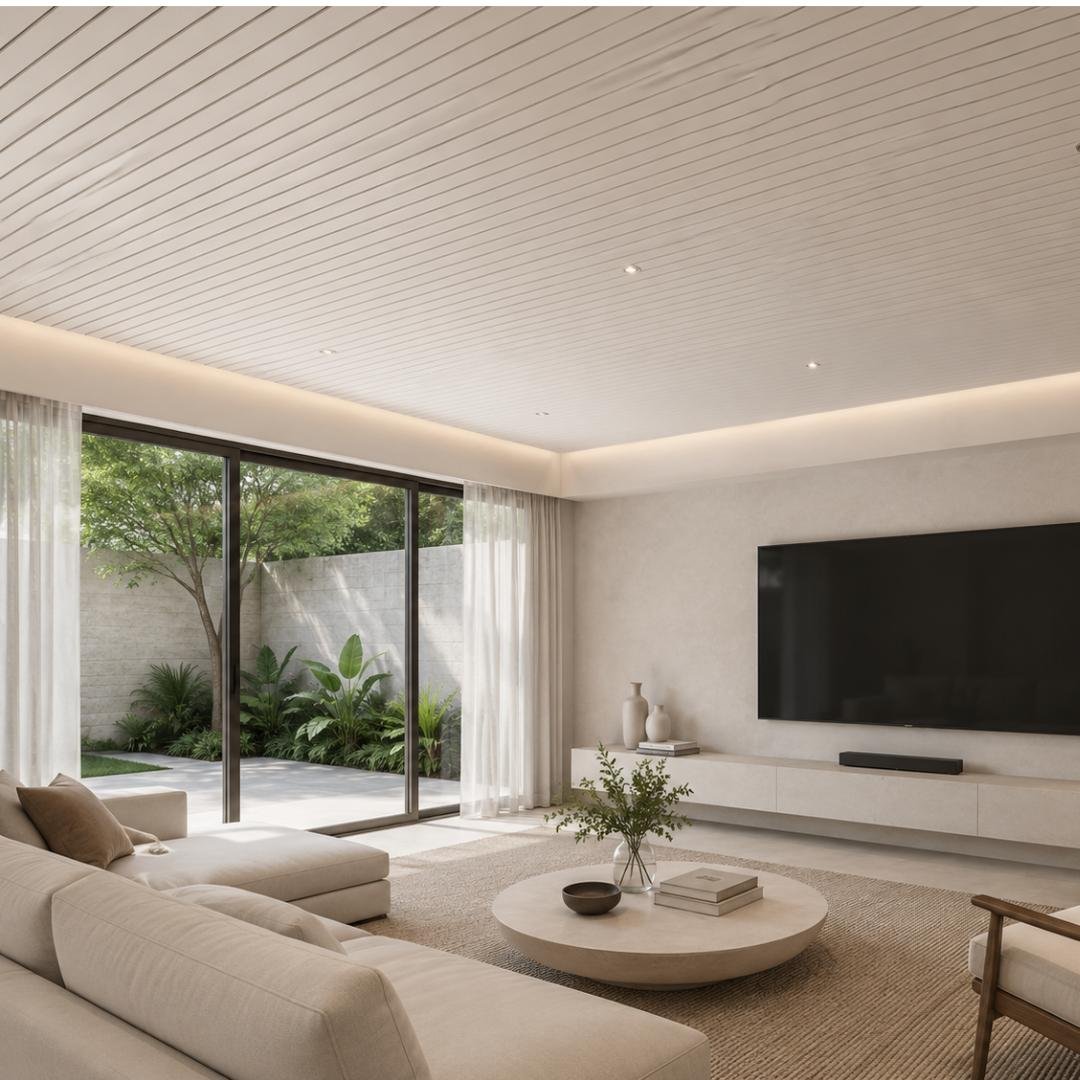
Another approach is to paint the stripes only within a defined ceiling area. A tray ceiling, recessed section, or small architectural zone can provide just enough space for the pattern without changing the character of the entire room.
This softer interpretation is ideal when your furniture, artwork, or flooring already has plenty of visual interest. The ceiling can still participate in the design while remaining an elegant background detail.
A Softer Take on Circus Core
The circus core trend does not have to mean maximum color and theatrical decoration. Sometimes the most sophisticated interpretation comes from using the idea of stripes in a restrained way, allowing the architecture and natural light to do much of the work.
Final Thoughts
Striped ceilings offer a fresh way to rethink one of the most overlooked surfaces in a home. Whether the pattern is bold and theatrical or soft and barely contrasting, it can give an ordinary room a distinctive sense of character.
The circus core influence makes the trend especially playful, but the look does not have to feel excessive. Thoughtful color combinations, elegant furniture, natural materials, and carefully chosen lighting can transform stripes into a sophisticated architectural feature.
Before committing to a design, consider the room’s proportions, ceiling height, natural light, and existing color palette. These details will help determine whether wide stripes, narrow bands, curved lines, or a subtle tonal treatment will work best.
Most importantly, treat the ceiling as part of the entire room rather than an isolated decoration. When the colors and shapes are echoed through furniture, artwork, lighting, or accessories, the result feels intentional, personal, and beautifully finished.