
Butter Yellow Living Room Ideas: The Color Trend Taking Over 2026
 Emma Mia
·
·
10 min read
Butter yellow is bringing a soft, cheerful warmth to living rooms in 2026. Unlike brighter shades of yellow, this creamy tone feels gentle and sophisticated, making it easy to introduce into both modern and traditional interiors.
Butter Yellow Living Room Ideas: A Cheerful 2026 Trend
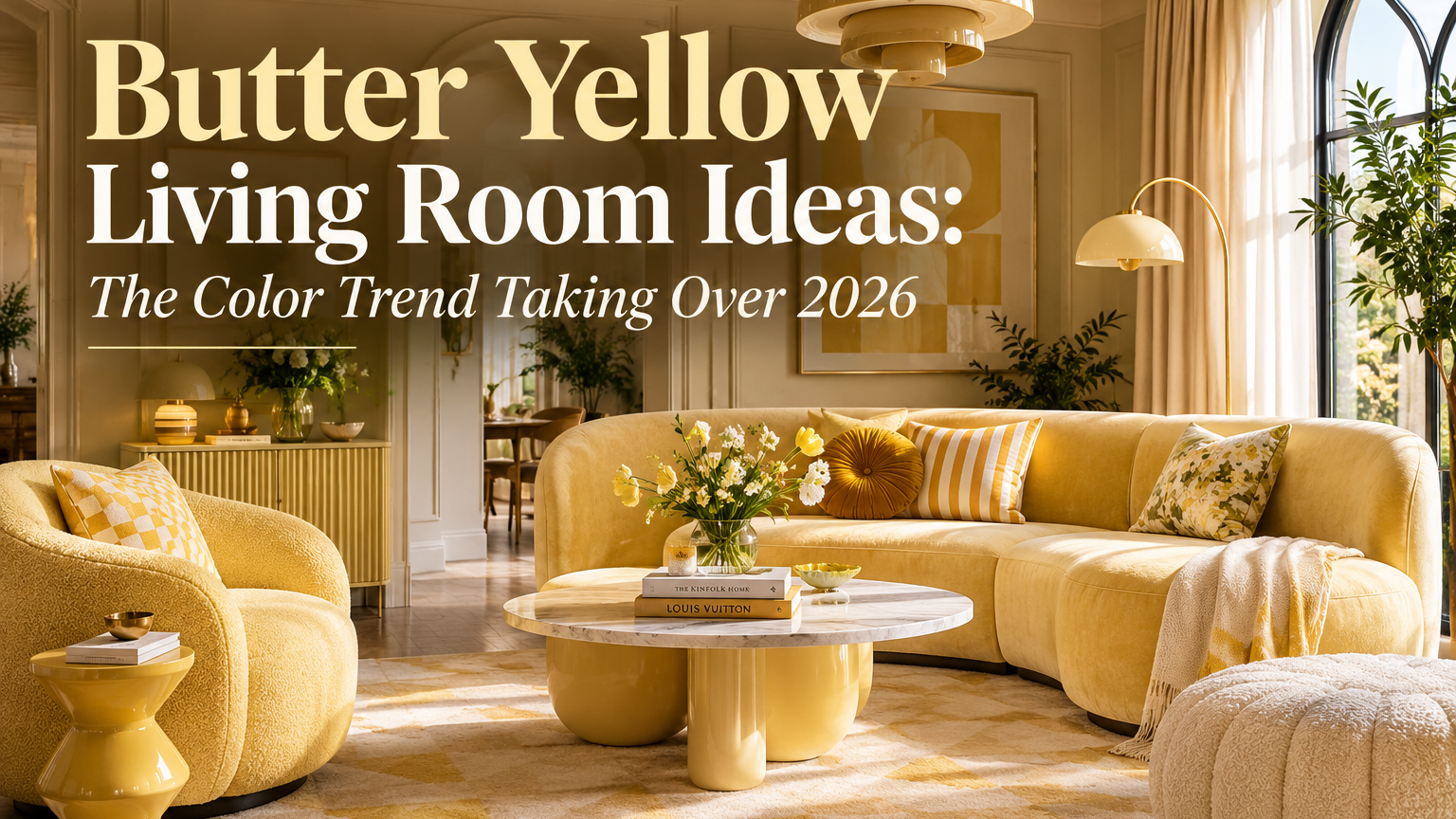
The beauty of butter yellow is its versatility. It can brighten a neutral room, warm up cool furniture, or become the main color through walls, sofas, curtains, and accessories. The shade works especially well with natural wood, warm whites, soft beige, muted green, and subtle metallic accents.
You also do not need to completely redesign your living room to enjoy the trend. A butter yellow cushion, throw, artwork, or accent chair can introduce the color without overwhelming the existing decor.
Start With a Butter Yellow Sofa
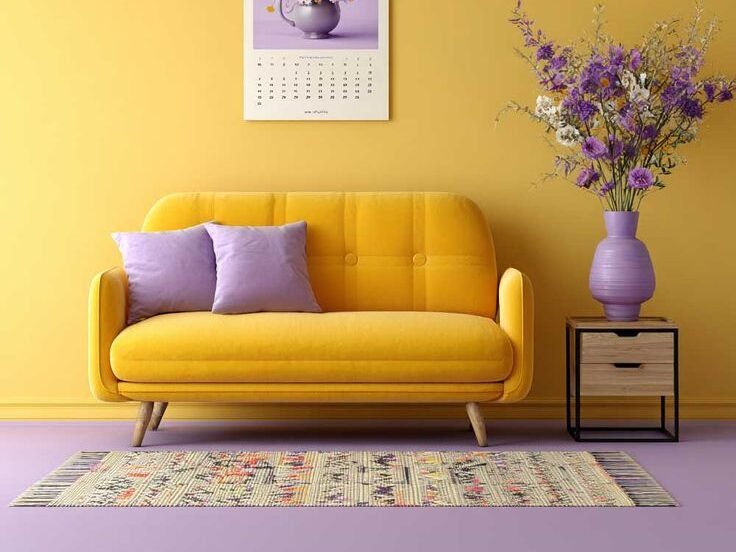
A butter yellow sofa is one of the most confident ways to bring this soft color into the living room. Instead of feeling loud or overly playful, the creamy yellow tone can give a sofa a warm presence that feels fresh and sophisticated.
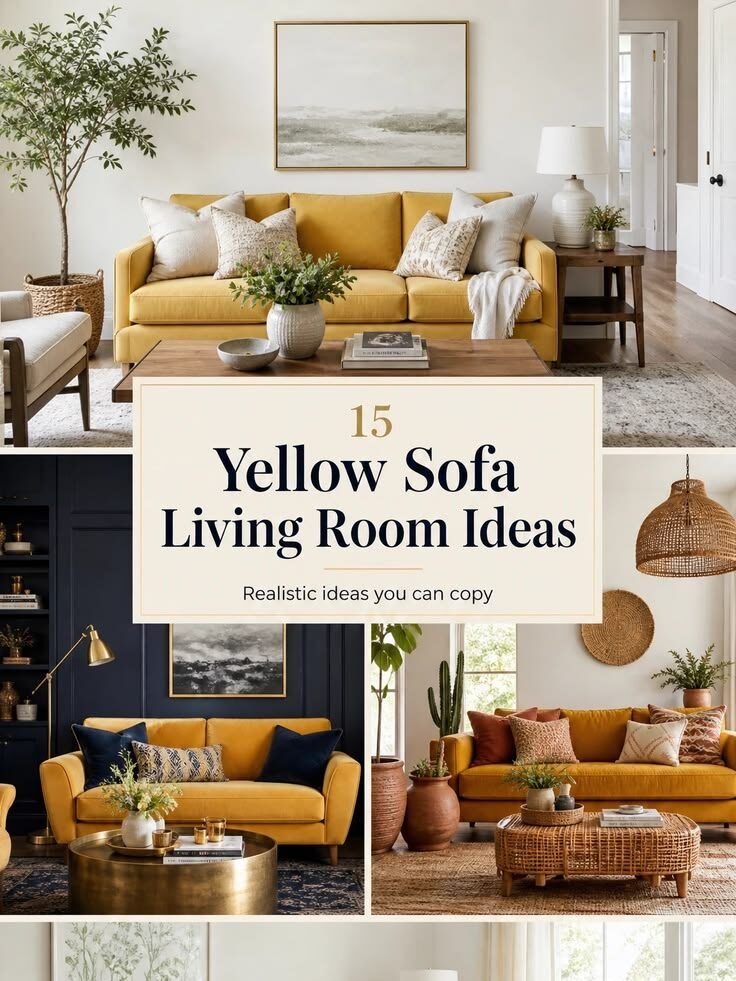
For a polished look, choose a sofa with a simple silhouette and comfortable proportions. Curved seating can create a softer atmosphere, while a clean lined design works beautifully in contemporary spaces. Linen, cotton, and soft textured upholstery can make the color feel even more inviting.
The rest of the room can remain relatively neutral. Cream walls, natural wood, soft beige rugs, and warm white curtains allow the sofa to become the visual focus without making the entire space feel yellow.
Want to make a better choice? Explore our guide to [ Living Room Ideas ] for helpful guidance.
You can then introduce small touches of the same shade elsewhere through cushions, artwork, or a decorative object. Repeating the color in subtle ways makes the room feel coordinated rather than overly matched.
Let the Sofa Set the Palette
Pair Butter Yellow With Warm Neutrals
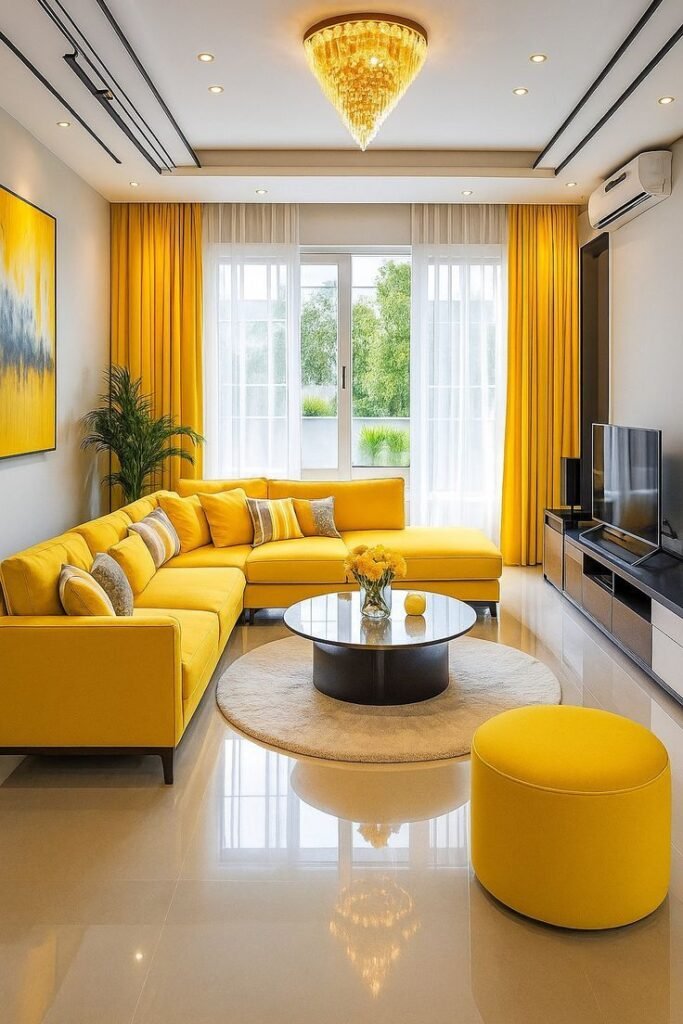
Butter yellow becomes especially elegant when surrounded by warm neutral shades. Cream, ivory, beige, sand, and light taupe create a calm backdrop that allows the yellow to add warmth without dominating the room.
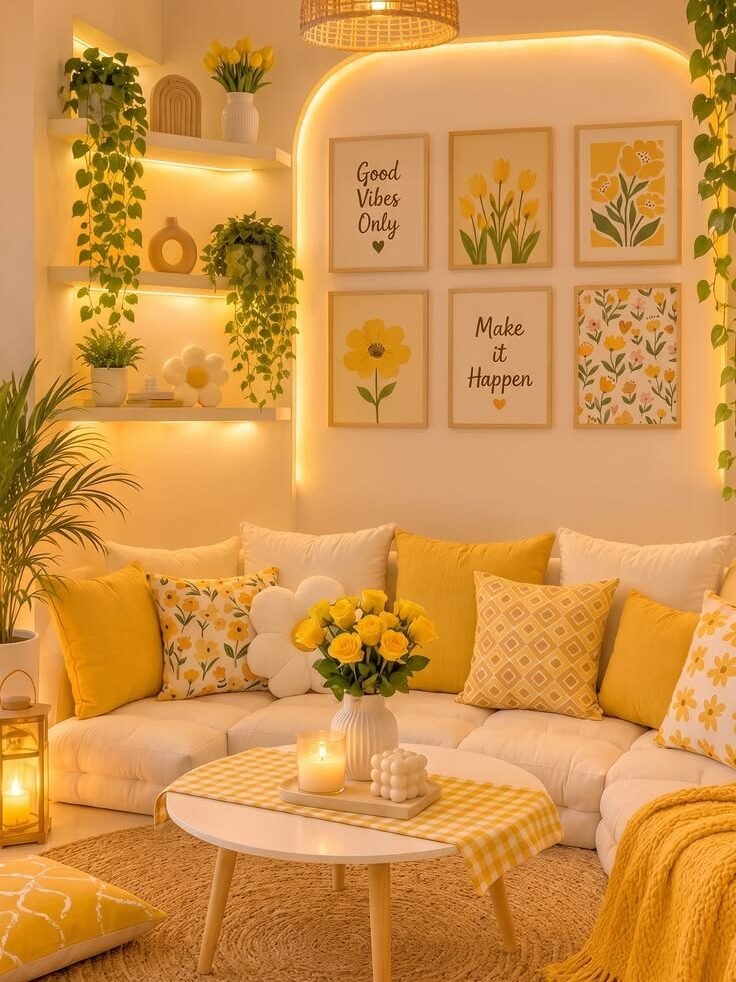
This combination works well when you want the living room to feel bright but still grounded. Try using creamy walls with a butter yellow armchair, or layer a yellow sofa with beige cushions and an ivory rug.
Natural materials can make the palette feel more sophisticated. Light oak furniture, woven baskets, linen curtains, and textured ceramics bring subtle variation while keeping the overall color story soft and cohesive.
For a more contemporary finish, add a few darker accents through walnut furniture, black frames, or deep brown accessories. These touches create definition and prevent the pale palette from feeling flat.
Build a Soft Tonal Foundation

3. Use Butter Yellow on the Walls
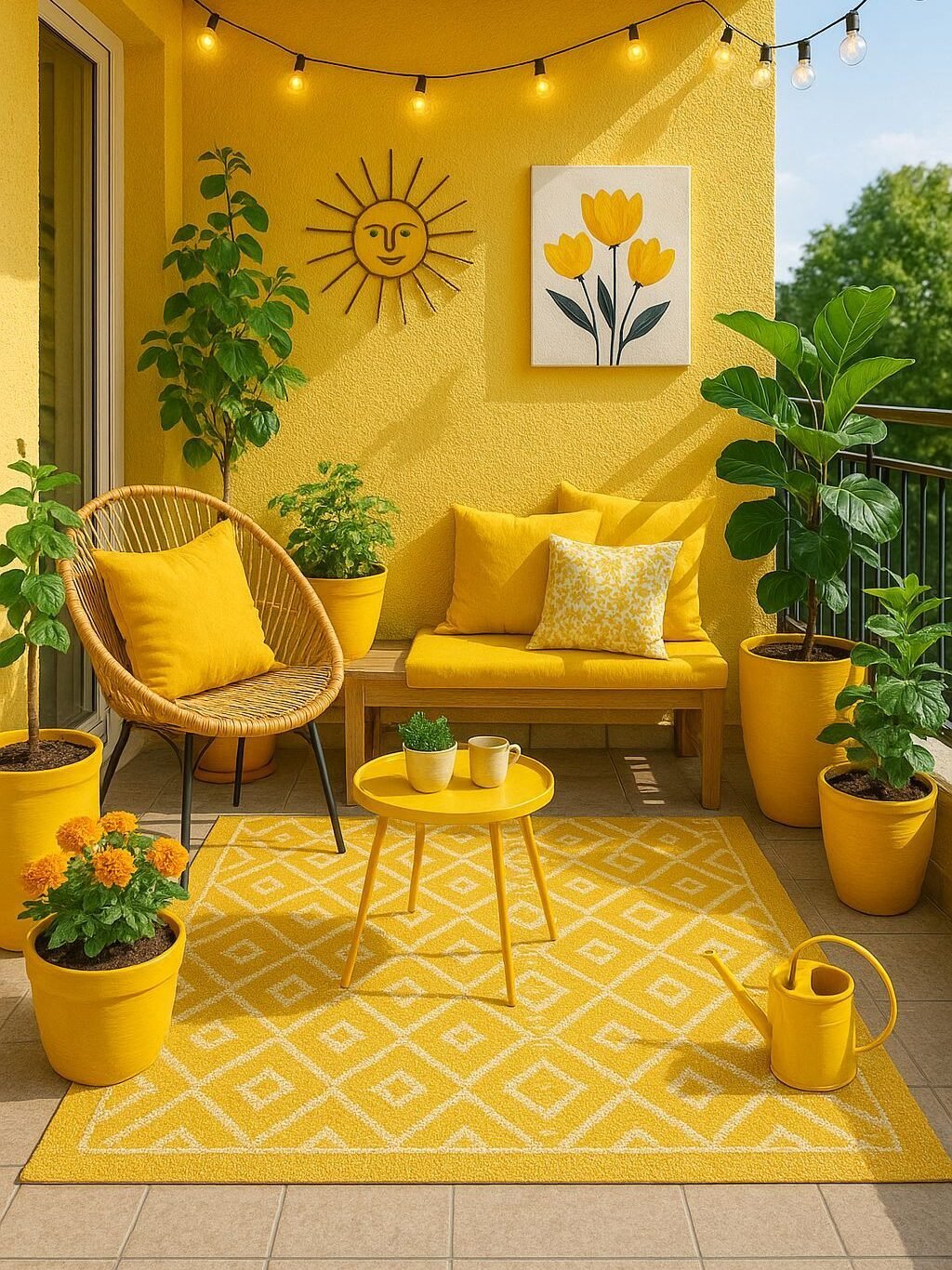
Painting the walls butter yellow can transform the entire mood of a living room. The shade adds a gentle glow that can make the space feel warmer and more welcoming, particularly when natural light moves across the room throughout the day.
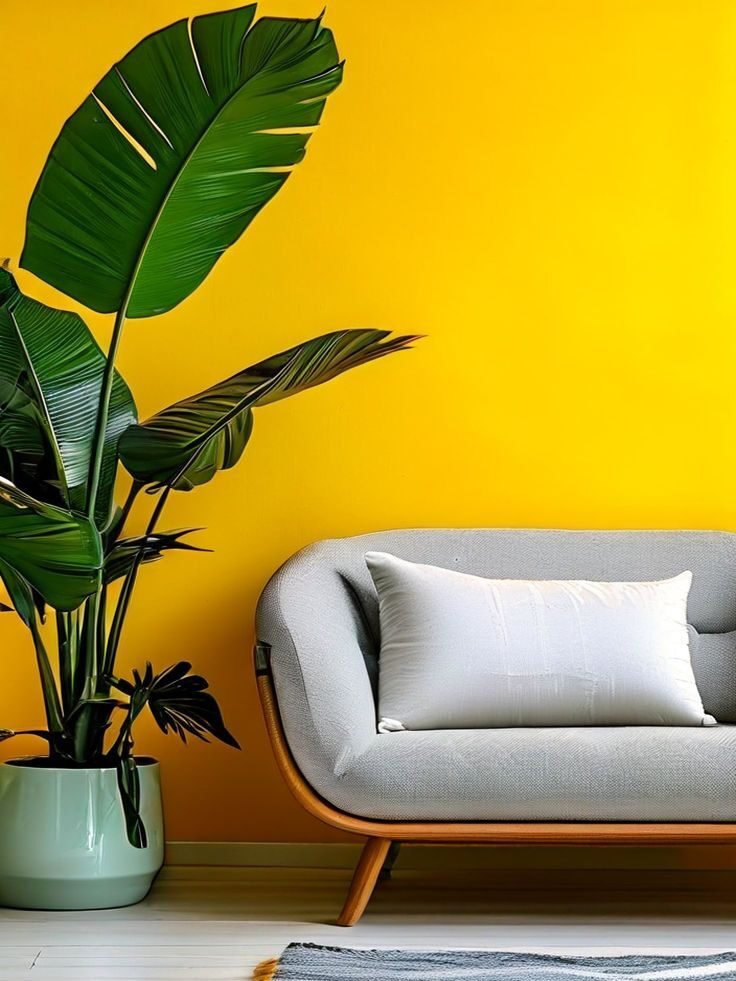
For a sophisticated result, choose a muted butter yellow with creamy undertones rather than an intense primary yellow. This softer variation feels easier to live with and works across a range of interior styles.
Wall color can also help highlight architectural features. Apply the shade throughout the room for a cocooning effect, or use it on a single accent wall behind the sofa, fireplace, or built in shelving.
Balance the warmth with lighter furniture and natural textures. Cream upholstery, pale wood, woven materials, and simple artwork can keep the room feeling fresh while allowing the wall color to remain the defining feature.
Create a Warm Backdrop
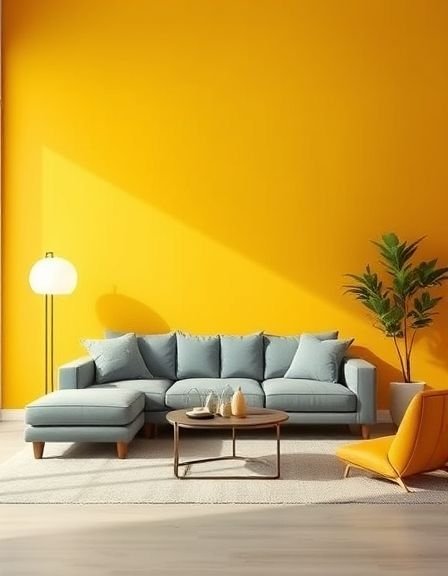
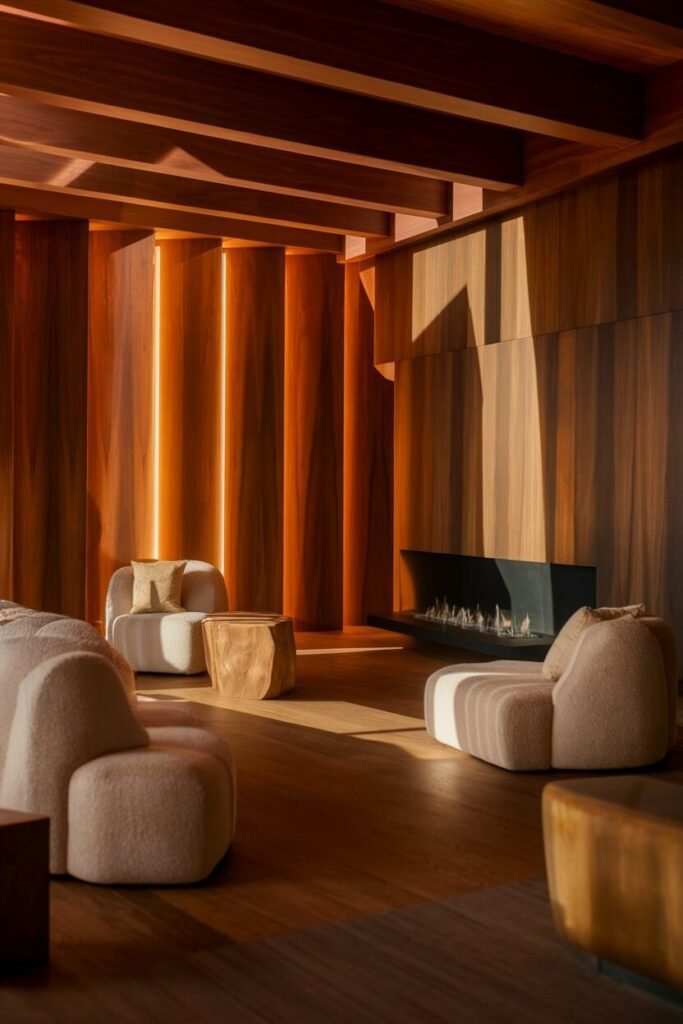
Balance It With Natural Wood
Natural wood is a beautiful partner for butter yellow because it adds depth without competing with the softness of the color. Pale oak creates a light and airy feeling, while walnut introduces a richer contrast for a more refined look.

Try bringing wood into the room through a coffee table, media console, shelving, side tables, or exposed architectural details. A few well chosen pieces can make the butter yellow palette feel connected to nature.
Texture matters too. Look for furniture with visible wood grain and simple organic shapes. Rounded tables, handcrafted stools, and woven wood details can give the room a relaxed character while maintaining a polished appearance.
Keep the surrounding colors understated so the combination does not become visually crowded. Warm white, cream, beige, and muted green are especially useful for creating a balanced and contemporary palette.
Add Warmth Through Wood
5. Introduce the Color Through Accent Chairs
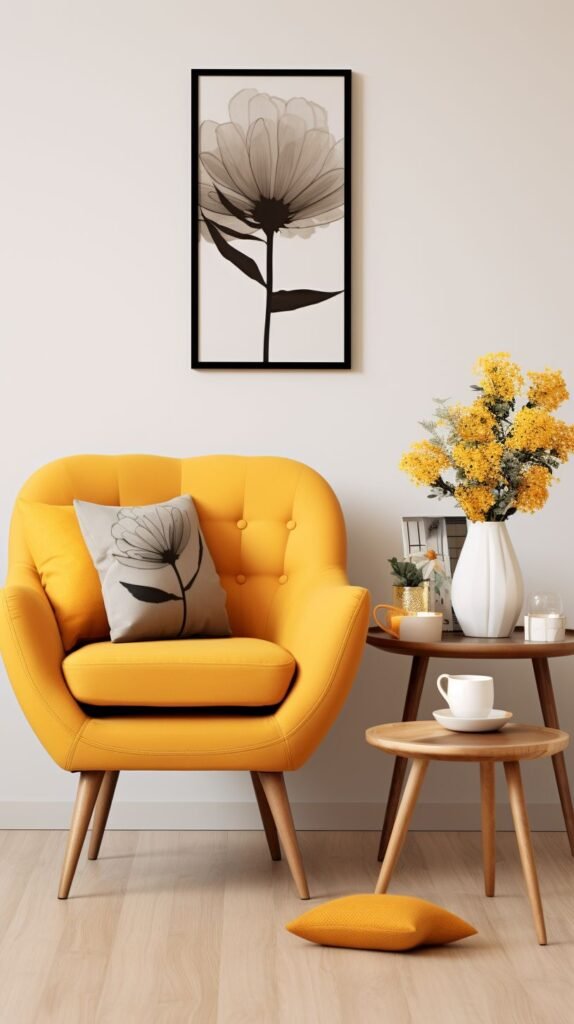
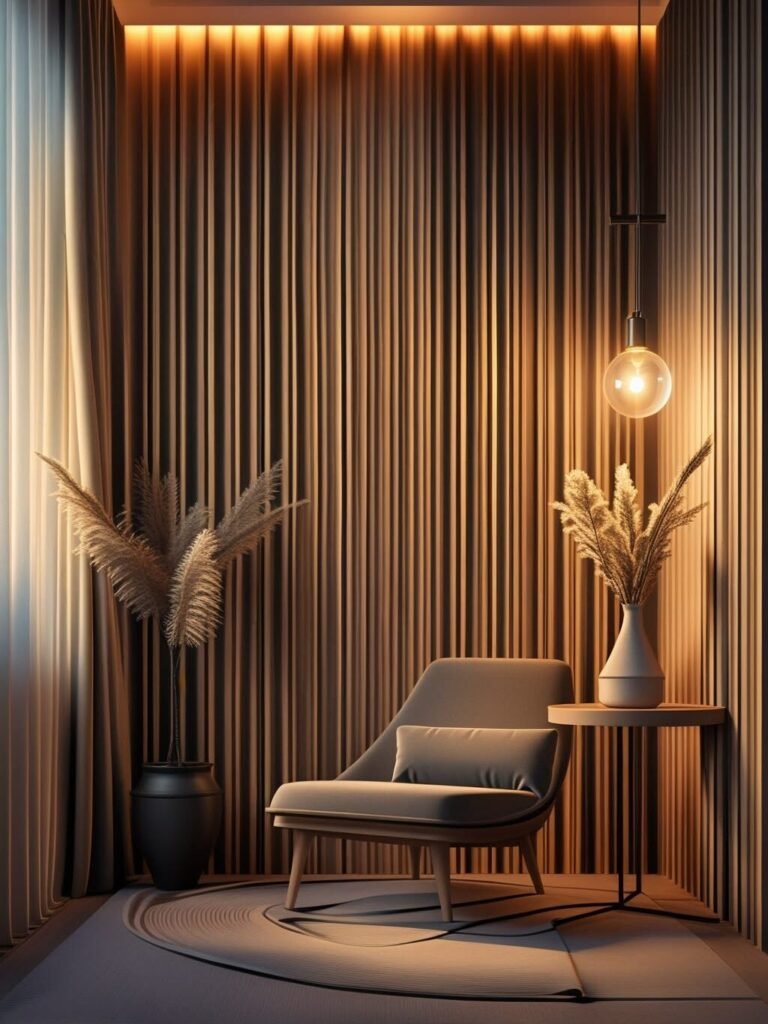
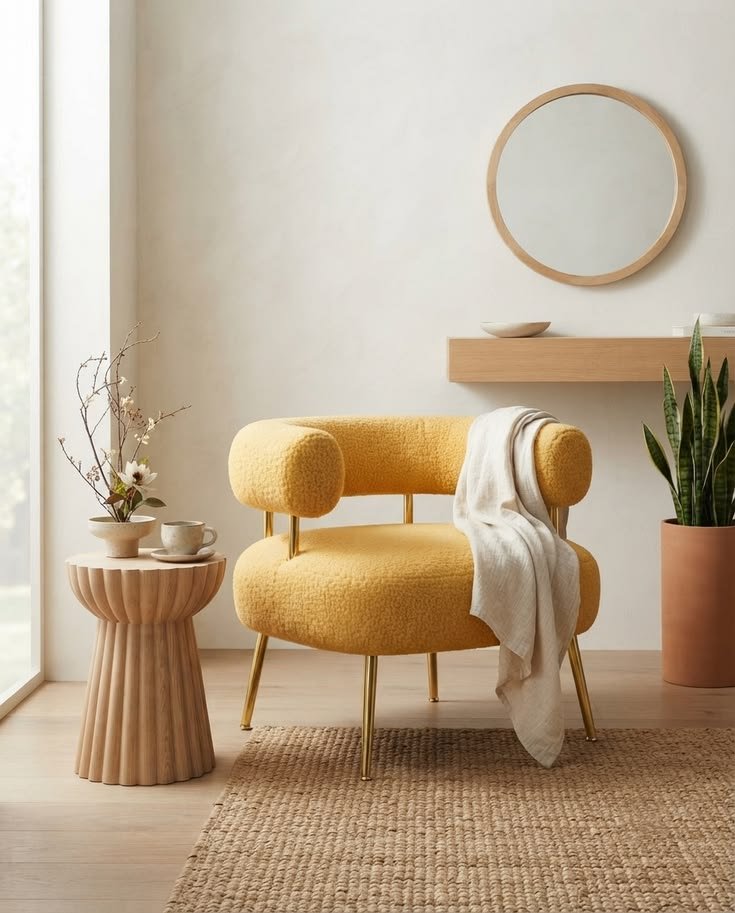
If a butter yellow sofa feels like too much of a commitment, an accent chair offers an easier way to experiment with the trend. One statement chair can add a cheerful focal point while allowing the rest of the living room to remain neutral.

Look for a chair with an interesting shape to give the color more visual presence. Rounded upholstery, gently curved arms, or a sculptural silhouette can make a butter yellow chair feel like a deliberate design feature rather than a simple splash of color.
Position the chair near a window, coffee table, or reading corner where it can naturally become part of the room’s conversation area. A small side table and floor lamp can turn it into a practical and inviting spot.
Keep the surrounding palette restrained. Cream, warm beige, natural wood, and muted green can support the yellow beautifully without creating too many competing focal points.
Make One Chair the Focal Point
6. Layer Butter Yellow With Soft Green
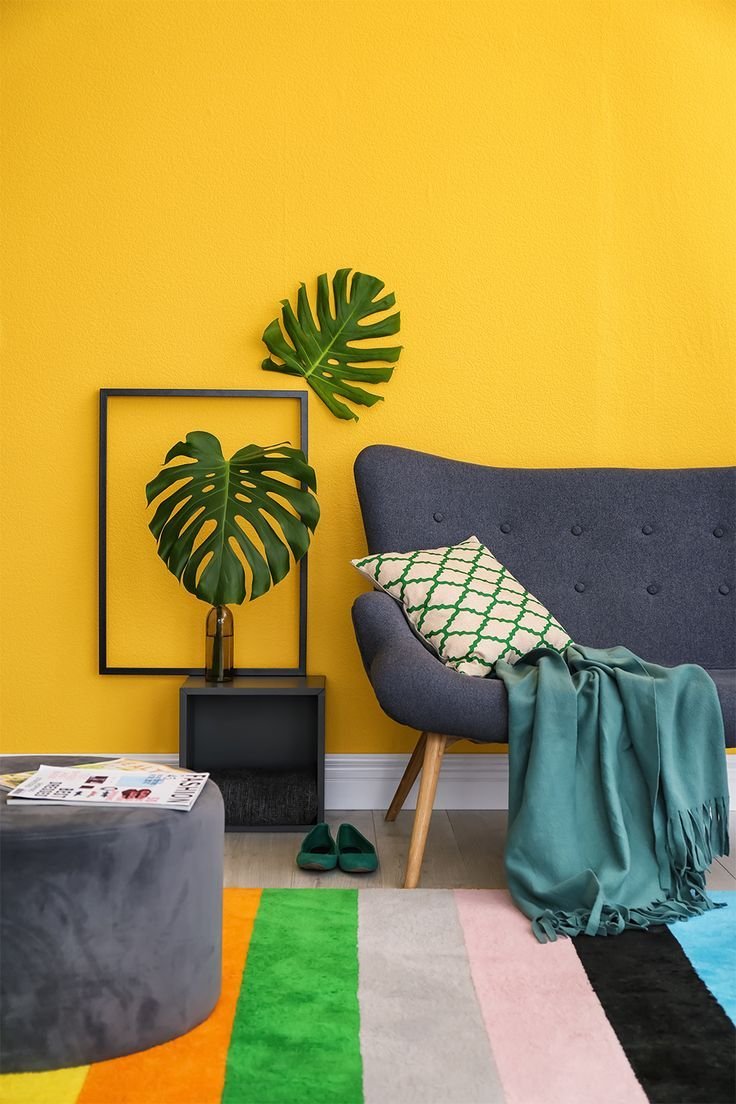
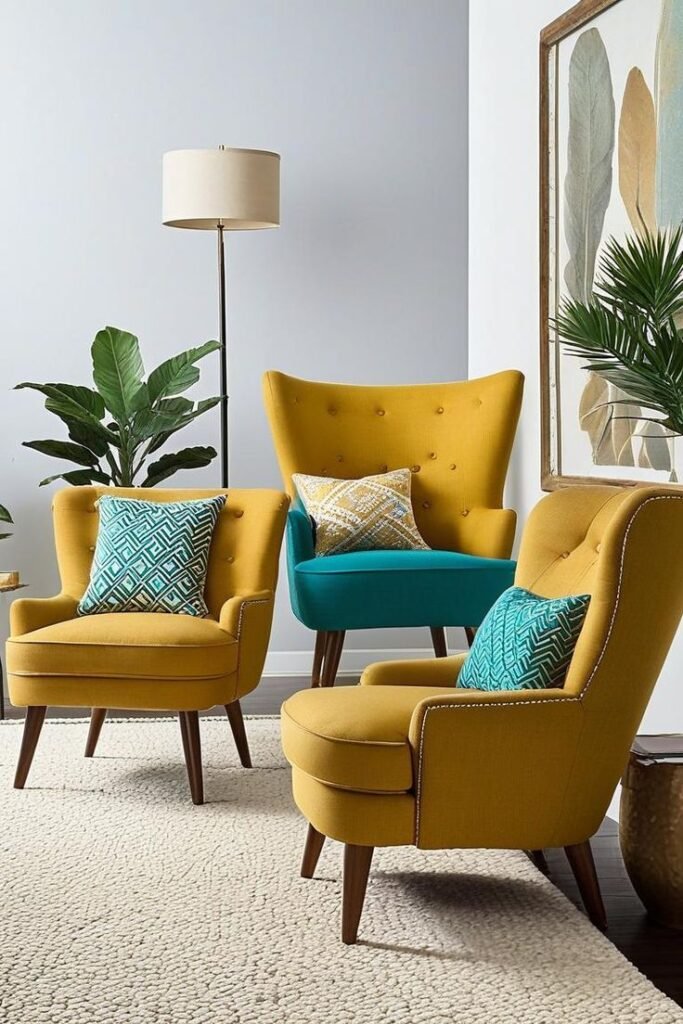
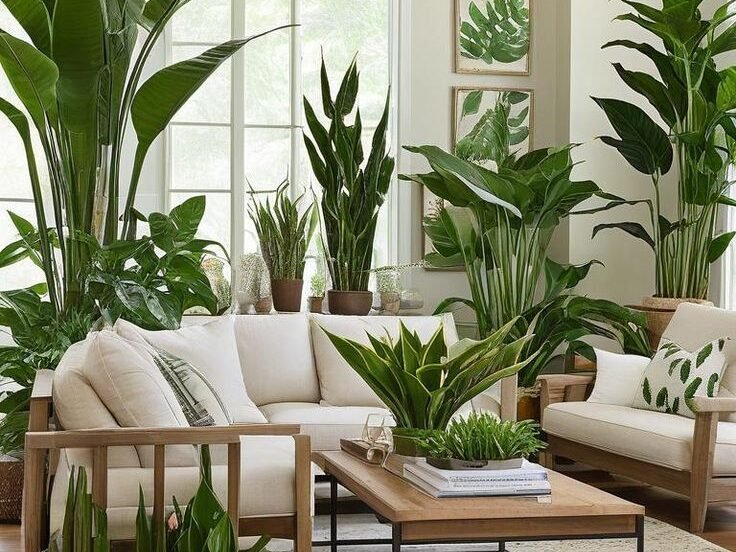
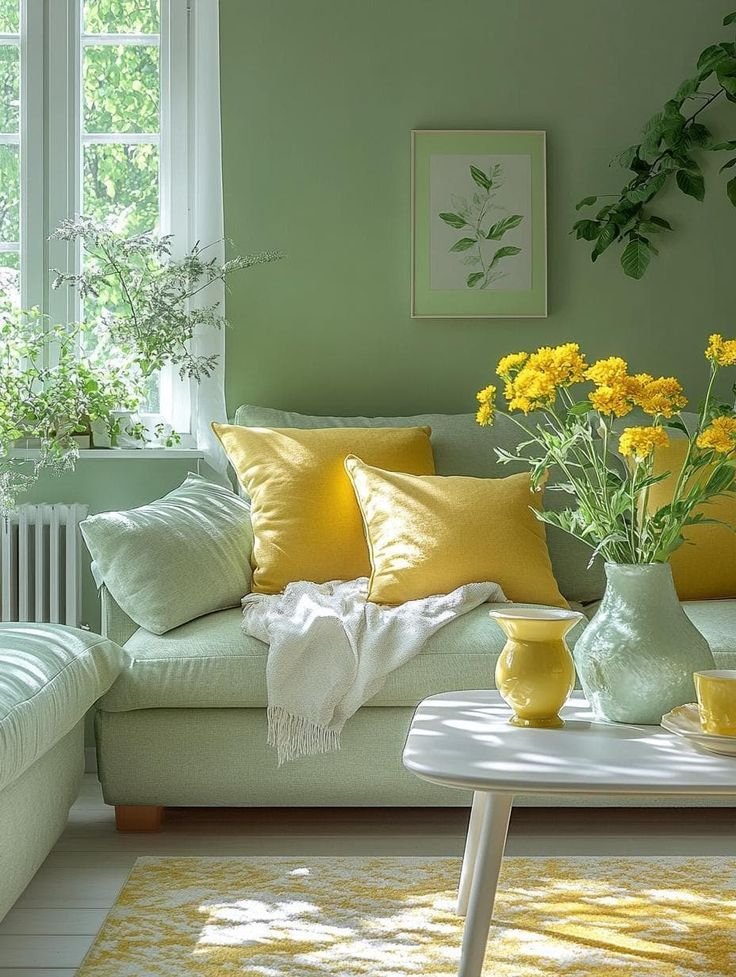
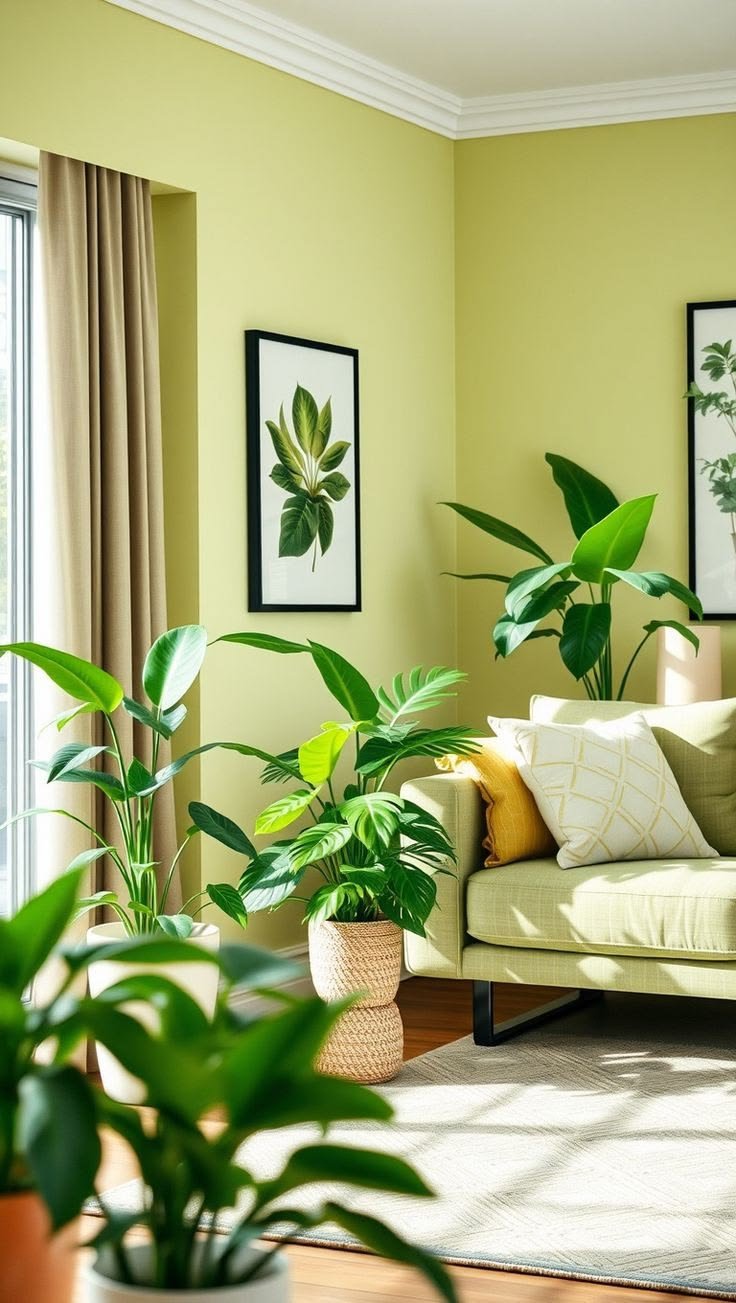
Butter yellow and soft green create a naturally balanced color combination. The warmth of yellow pairs beautifully with the calm quality of sage, olive, and muted botanical greens, giving the living room a fresh yet grounded atmosphere.
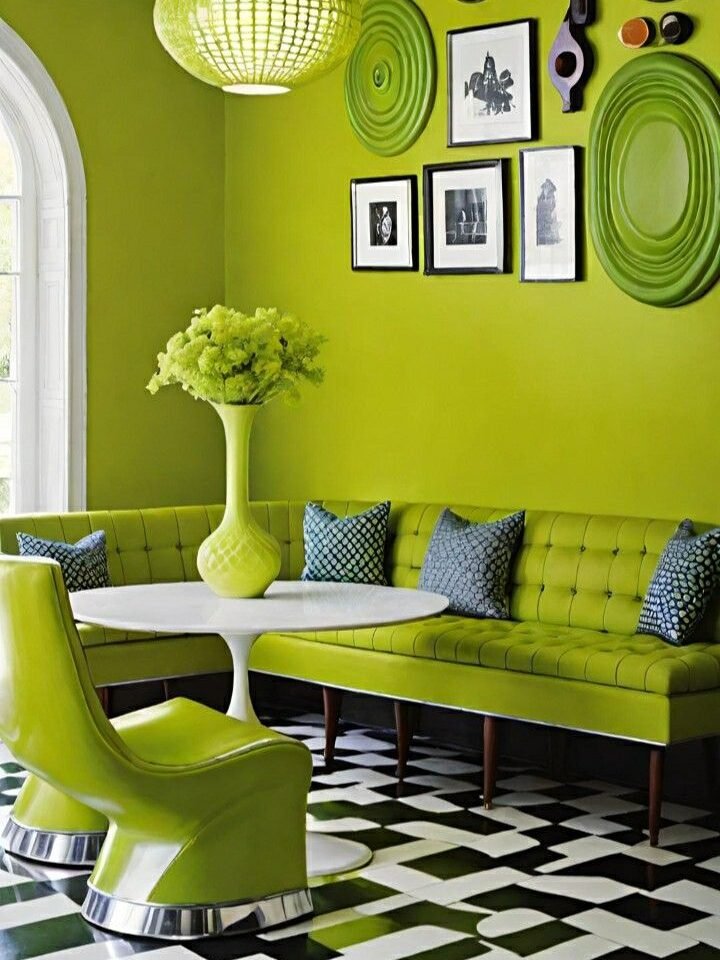
You can use green through cushions, an accent chair, curtains, artwork, or indoor plants. Keeping the green slightly muted allows butter yellow to remain the warmer focal color without making the room feel overly colorful.
Plants are another simple way to introduce the combination. Their natural foliage can add depth and movement while connecting the soft color palette with organic materials such as wood, linen, rattan, and stone.
For a more sophisticated result, keep the main furniture in butter yellow and cream, then use green in smaller layers throughout the space. This creates contrast while maintaining a relaxed visual flow.
Bring in a Botanical Balance
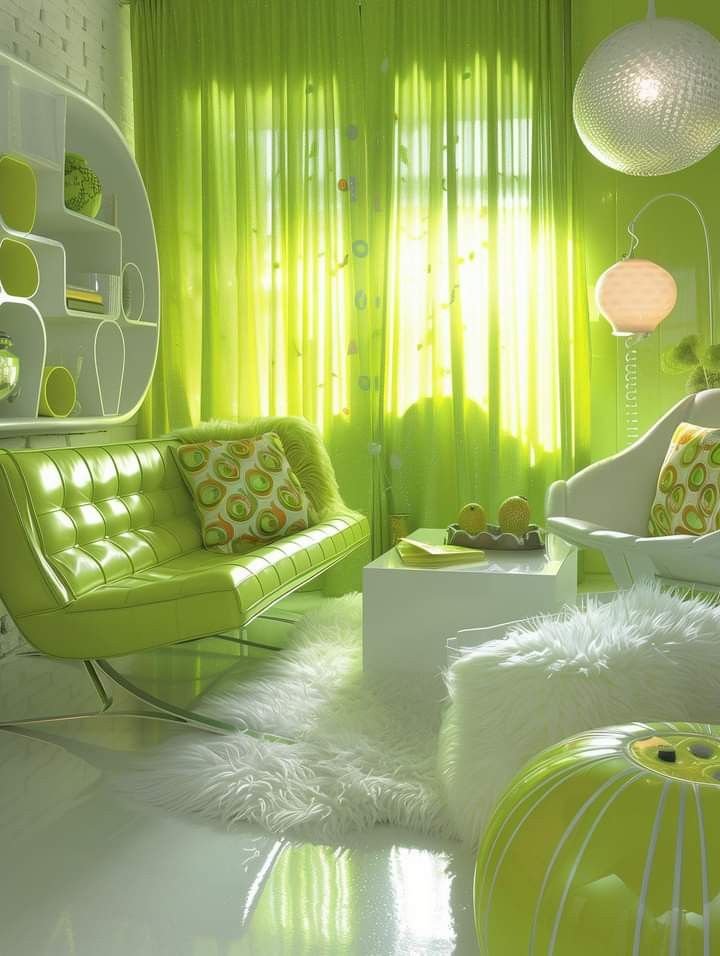
7. Add Butter Yellow Through Textiles
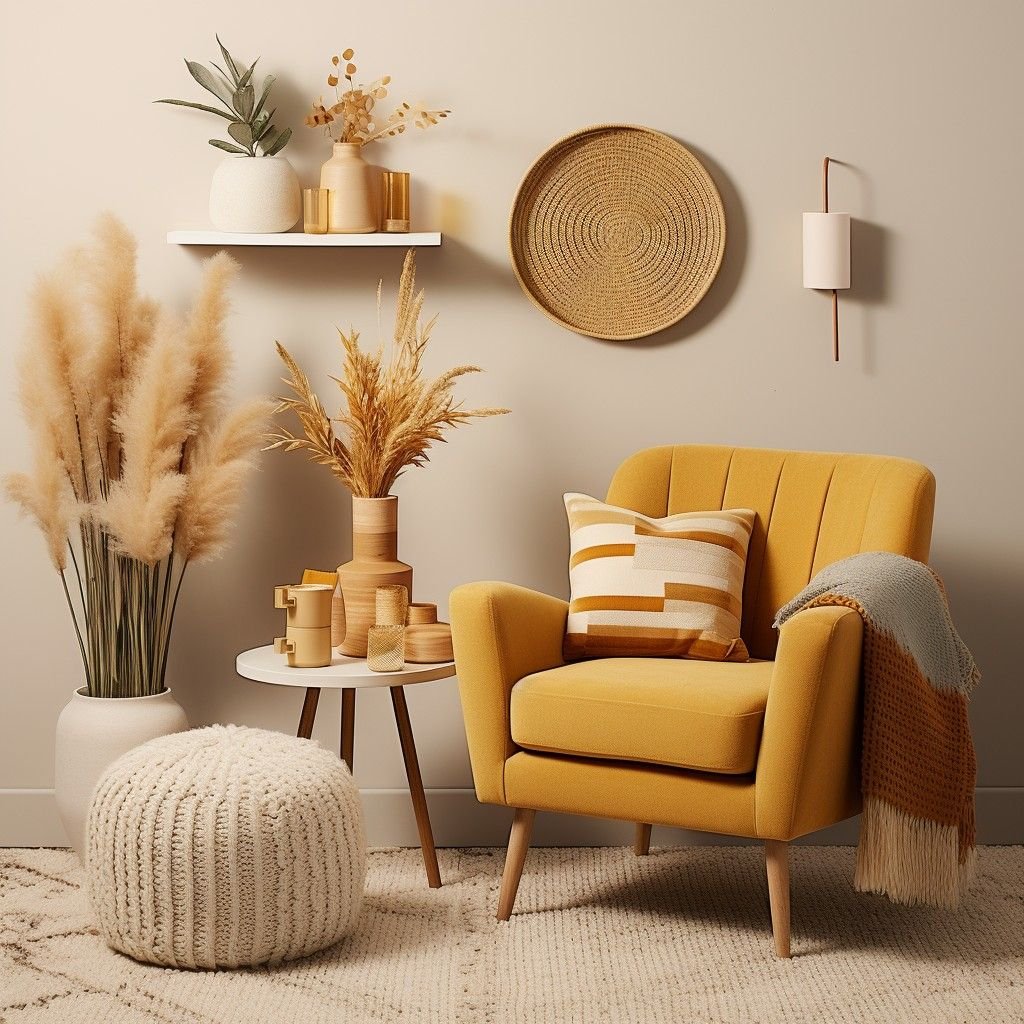
Textiles are one of the simplest ways to explore the butter yellow trend without making permanent changes to your living room. Cushions, throws, curtains, and rugs can introduce the shade in small layers that are easy to adjust over time.
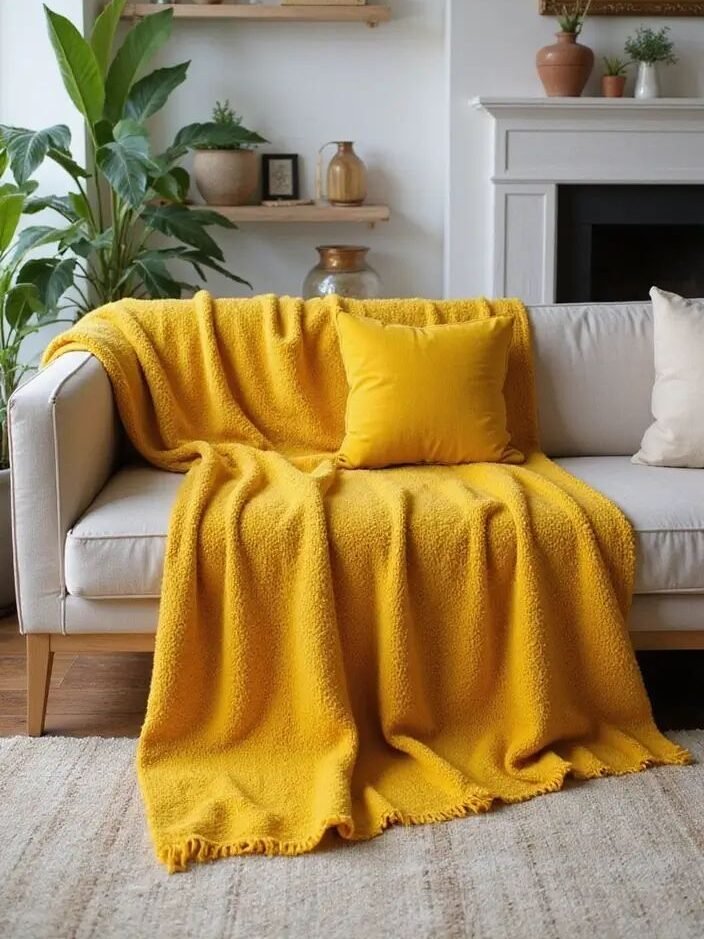
A butter yellow throw draped over a neutral sofa can instantly make the seating area feel warmer. For a more coordinated look, combine different textures such as linen, knitted fabric, velvet, and soft cotton while keeping the color within the same gentle palette.
Curtains can create an especially subtle effect. Soft yellow fabric filtering natural light can give the room a warm appearance while adding another layer of softness to the windows.
If you prefer a quieter approach, use butter yellow in small decorative details rather than large textiles. A patterned cushion or textured throw can be enough to connect the trend with an existing neutral interior.
Let Texture Do the Work
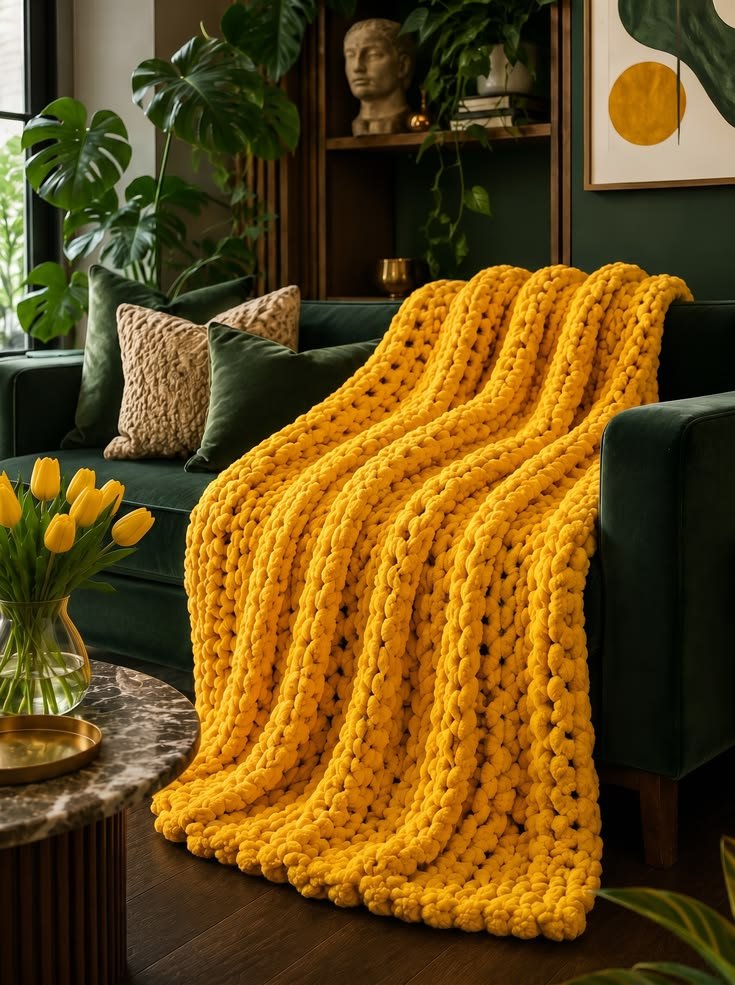
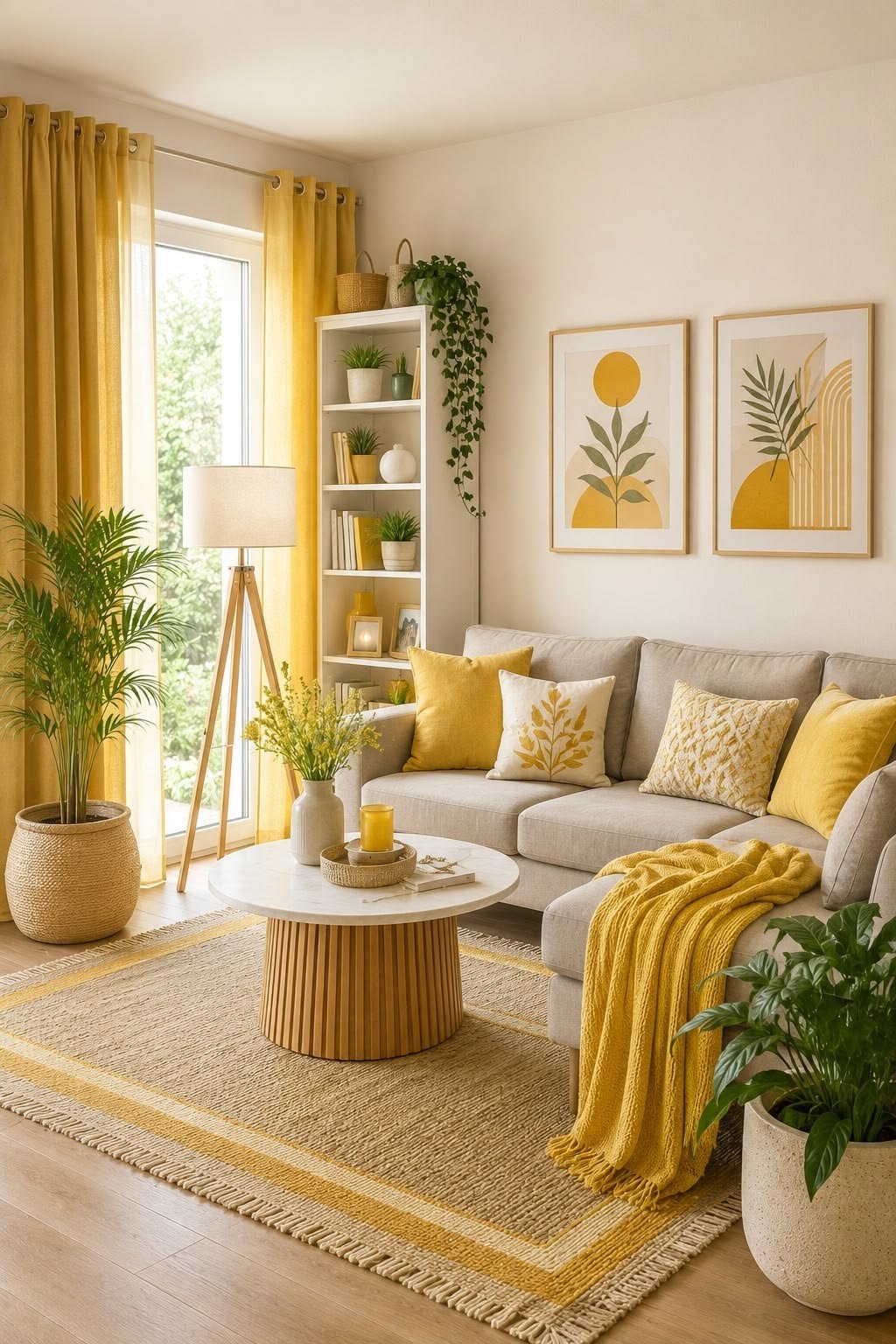
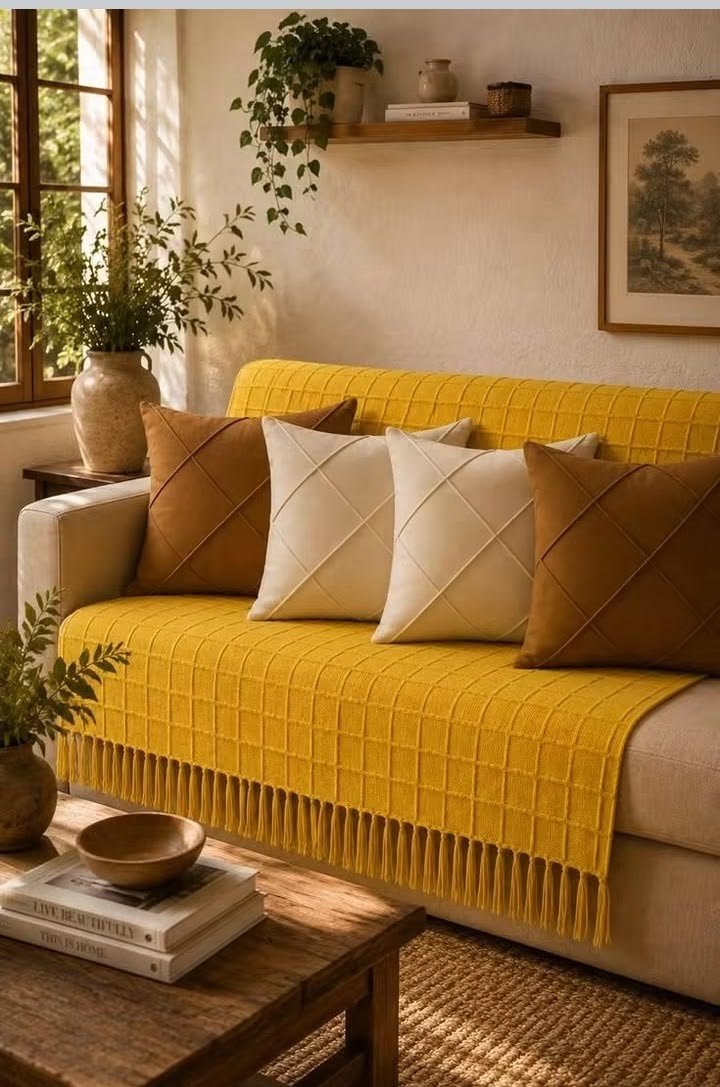
8. Mix Butter Yellow With Richer Accents
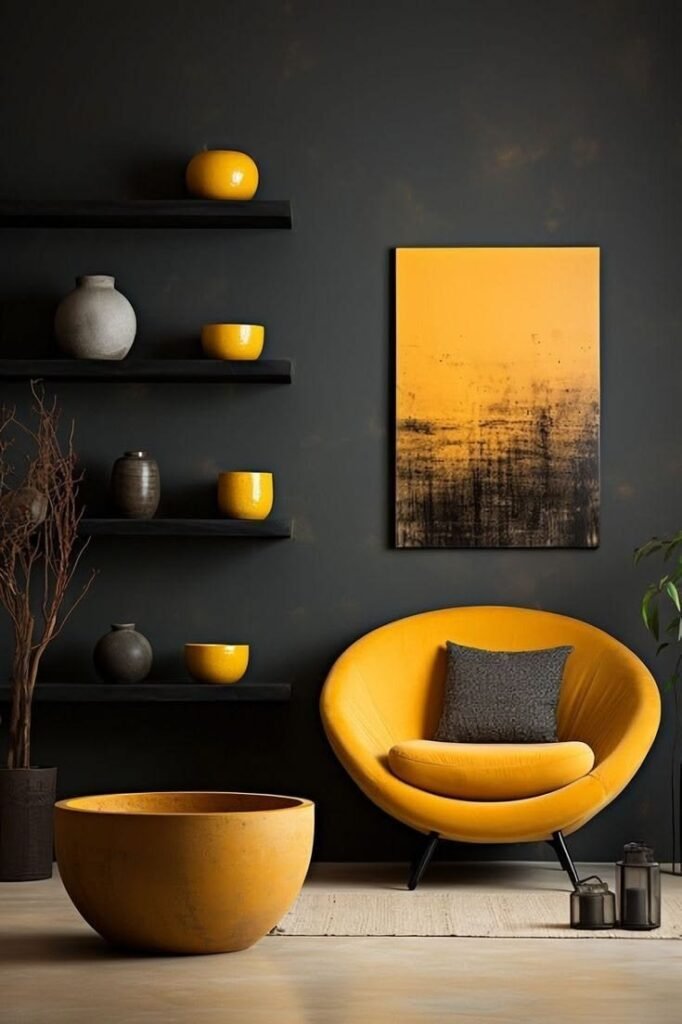
Butter yellow does not have to stay within a pale and delicate palette. Pairing it with deeper colors can give the living room more definition and create a sophisticated contrast.
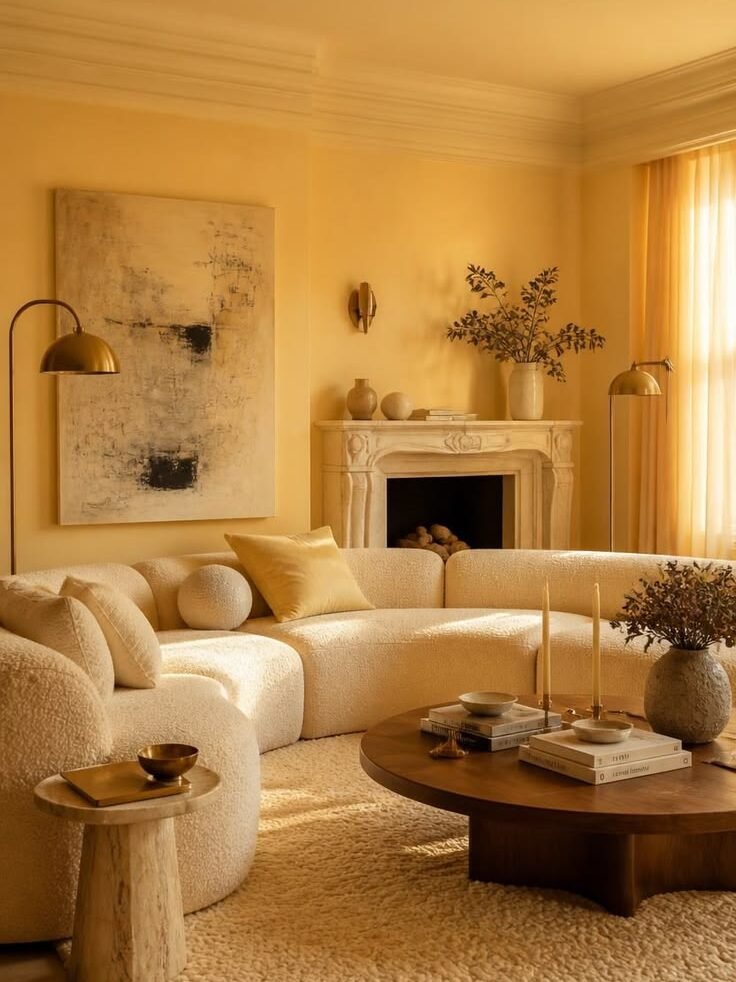
Warm brown, terracotta, olive, deep green, and muted burgundy can all work beautifully with the creamy yellow shade. Use these stronger tones through cushions, artwork, occasional chairs, rugs, or decorative objects rather than covering the entire room.
Dark wood is particularly effective because it adds depth while maintaining a warm overall feeling. A walnut coffee table or wooden shelving can anchor a butter yellow sofa and make the lighter color feel more intentional.
The secret is proportion. Let butter yellow remain the dominant soft tone, then introduce deeper shades in smaller amounts. This keeps the room visually interesting without losing the bright and welcoming quality of the palette.
Create Contrast With Depth
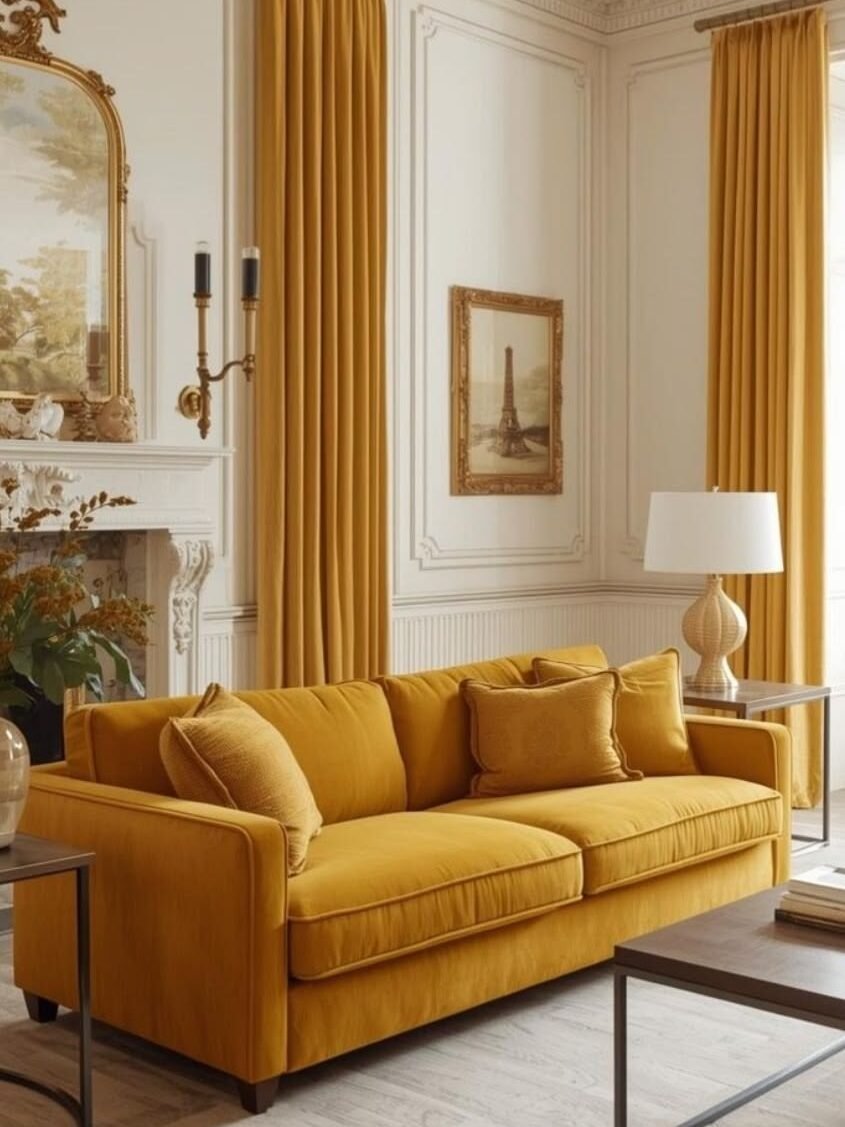
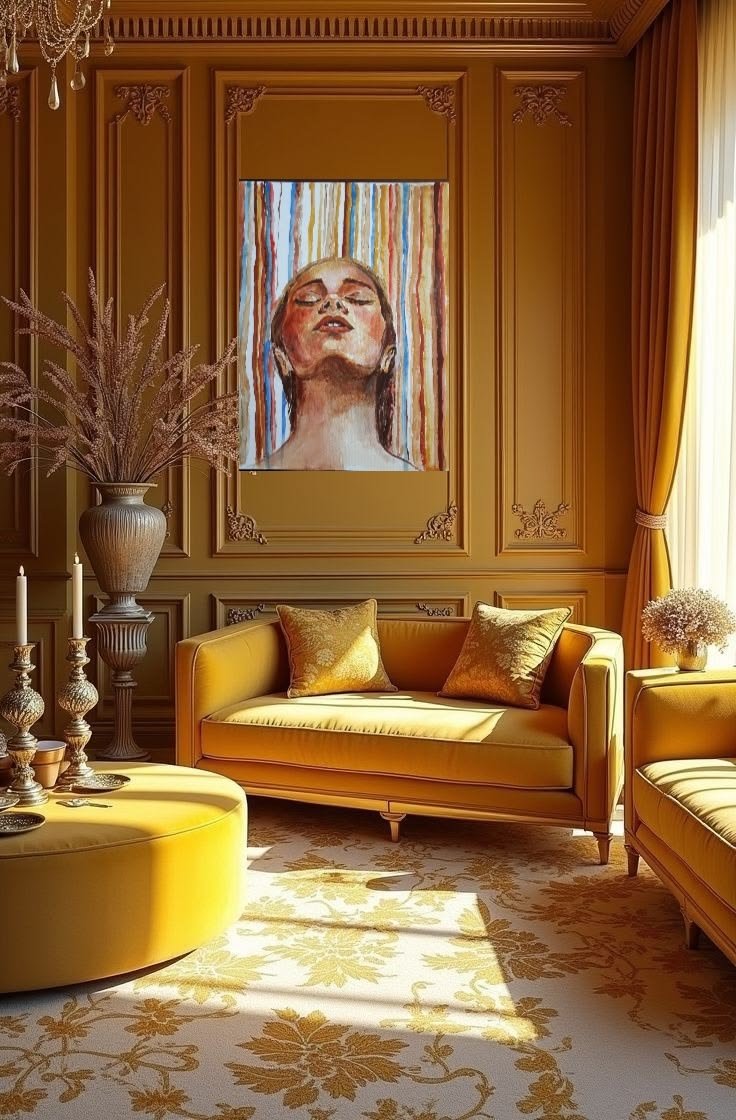
9. Make It Modern With Clean Lines
Butter yellow can look surprisingly modern when paired with simple furniture and clean architectural lines. The softness of the color provides warmth, while streamlined shapes keep the room feeling contemporary.
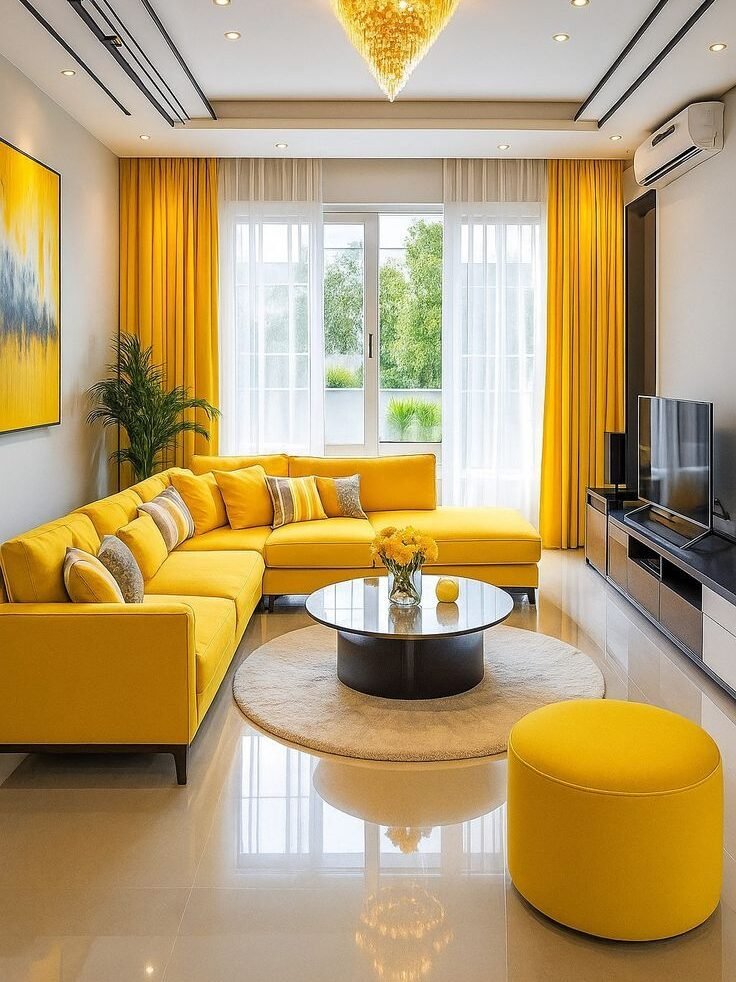
Choose furniture with uncluttered silhouettes, such as a low profile sofa, simple rectangular coffee table, or sleek shelving. Avoid filling every surface with accessories so the color and form of each piece have enough room to stand out.
A restrained material palette can strengthen the modern look. Combine butter yellow with pale wood, stone, glass, brushed metal, and textured fabrics for a space that feels current without becoming cold.
Lighting can also make a difference. Sculptural floor lamps, simple pendant fixtures, and discreet accent lighting can highlight the yellow tones while giving the room a polished evening atmosphere.
Keep the Look Refined
10. Finish With Thoughtful Decorative Details
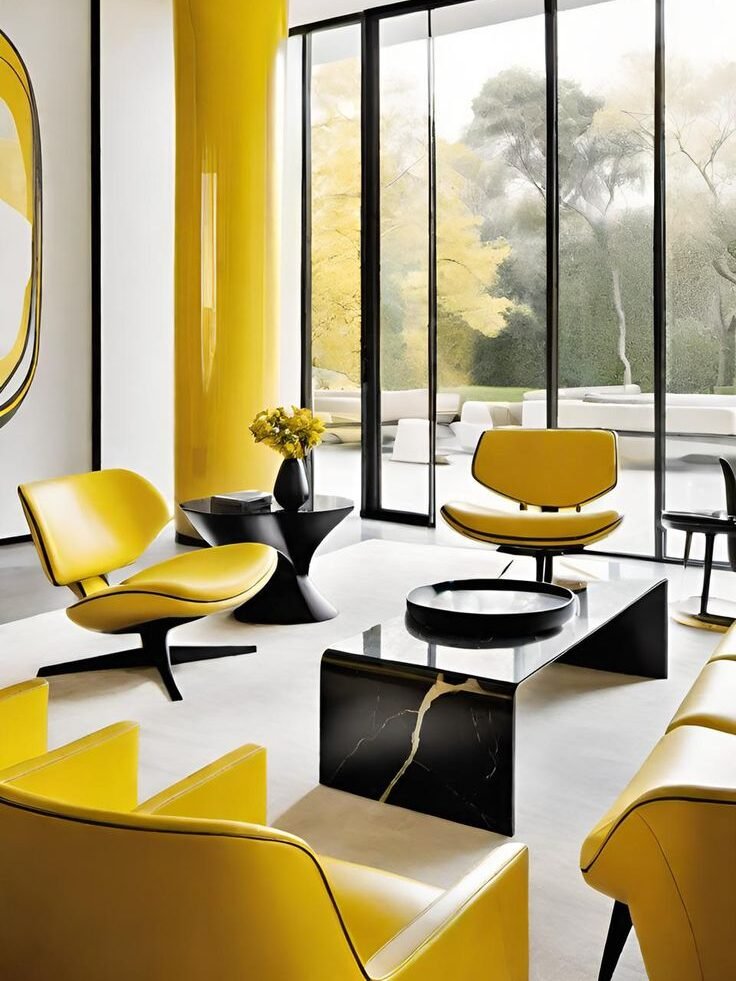
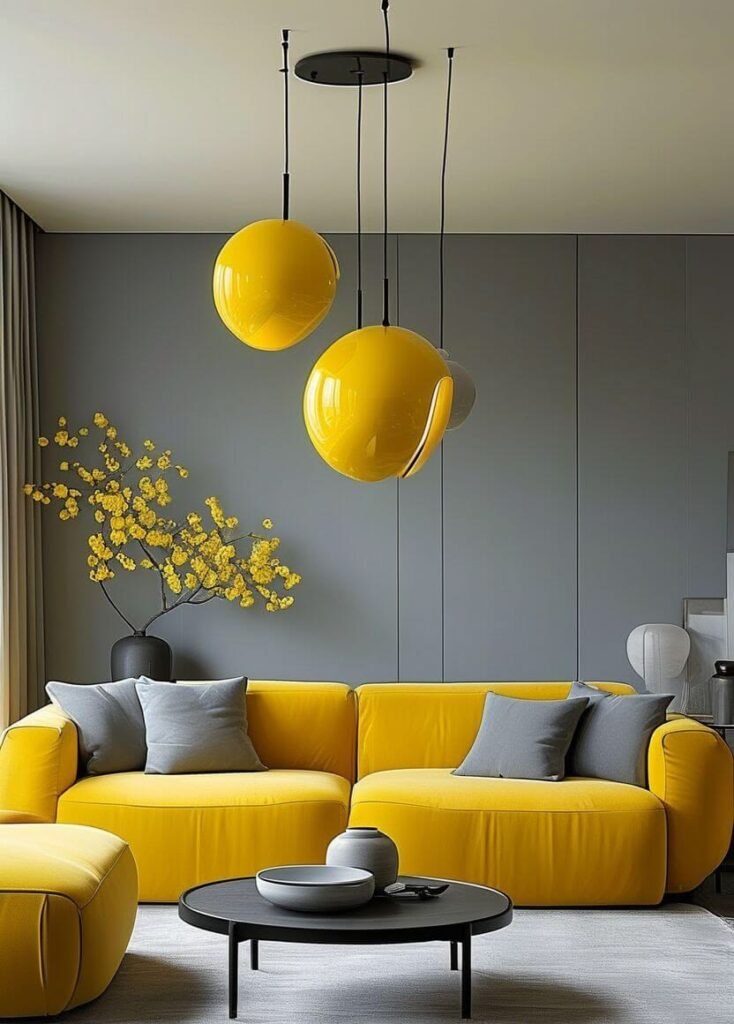
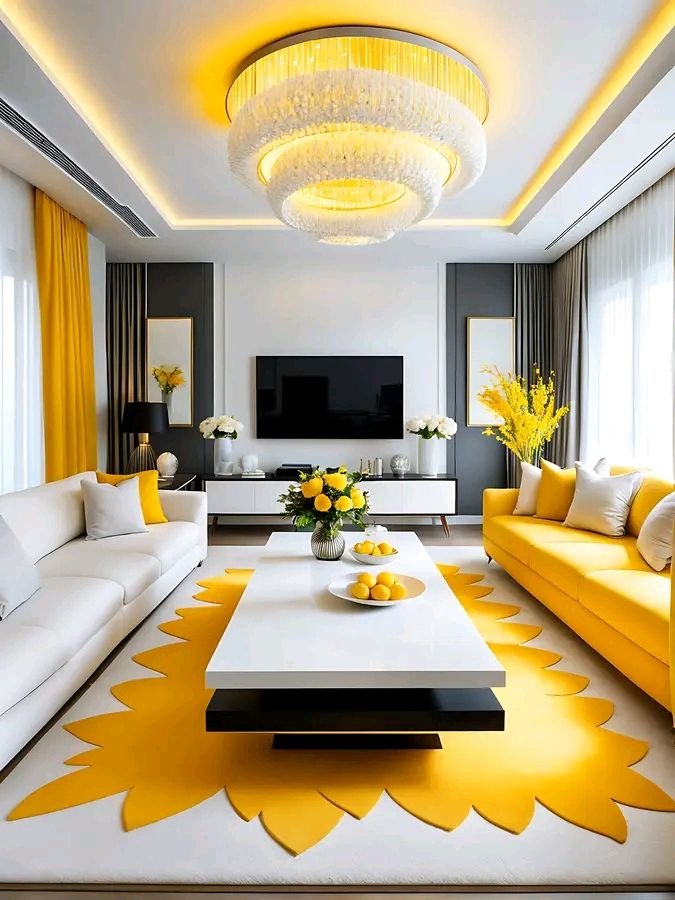
The smallest details can make a butter yellow living room feel complete. Once the main furniture and larger color elements are in place, use accessories to create repetition, texture, and personality throughout the space.
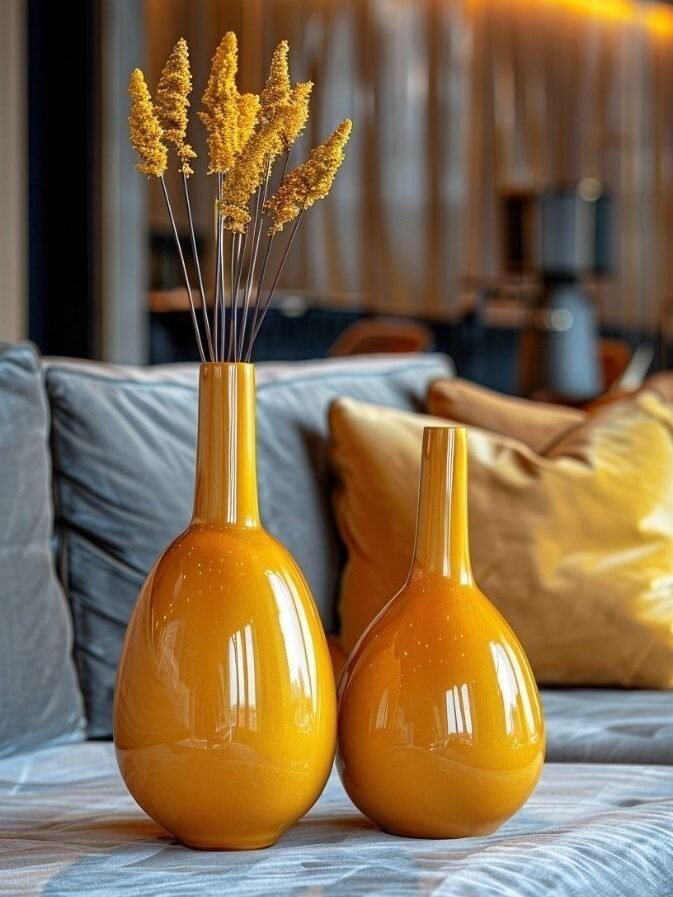
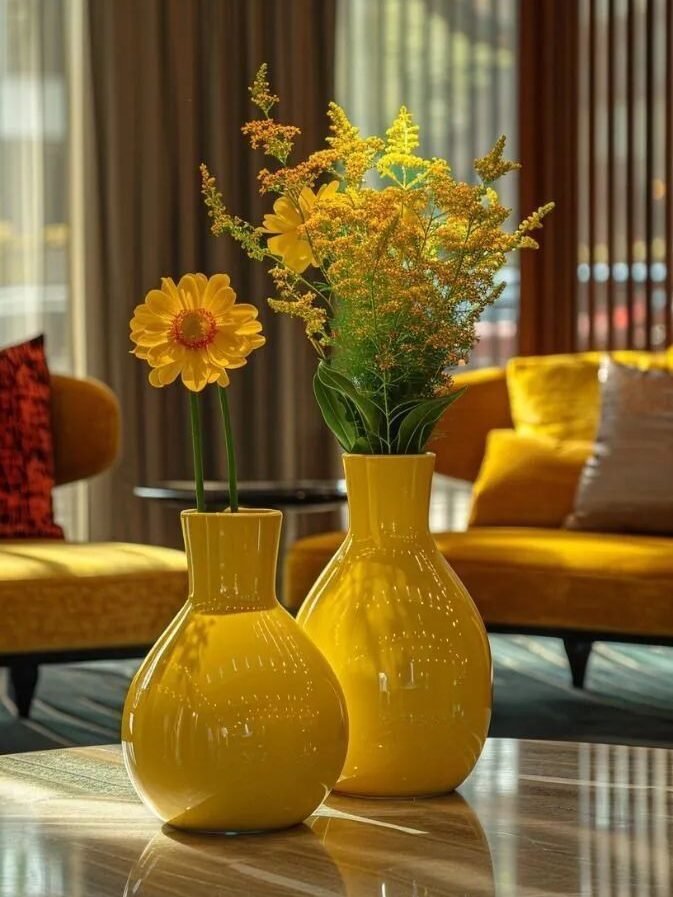
Ceramic vases, framed artwork, books, candles, cushions, and small sculptural objects can introduce subtle variations of yellow without making the room feel overly coordinated. Look for pieces with creamy, golden, or muted yellow undertones.
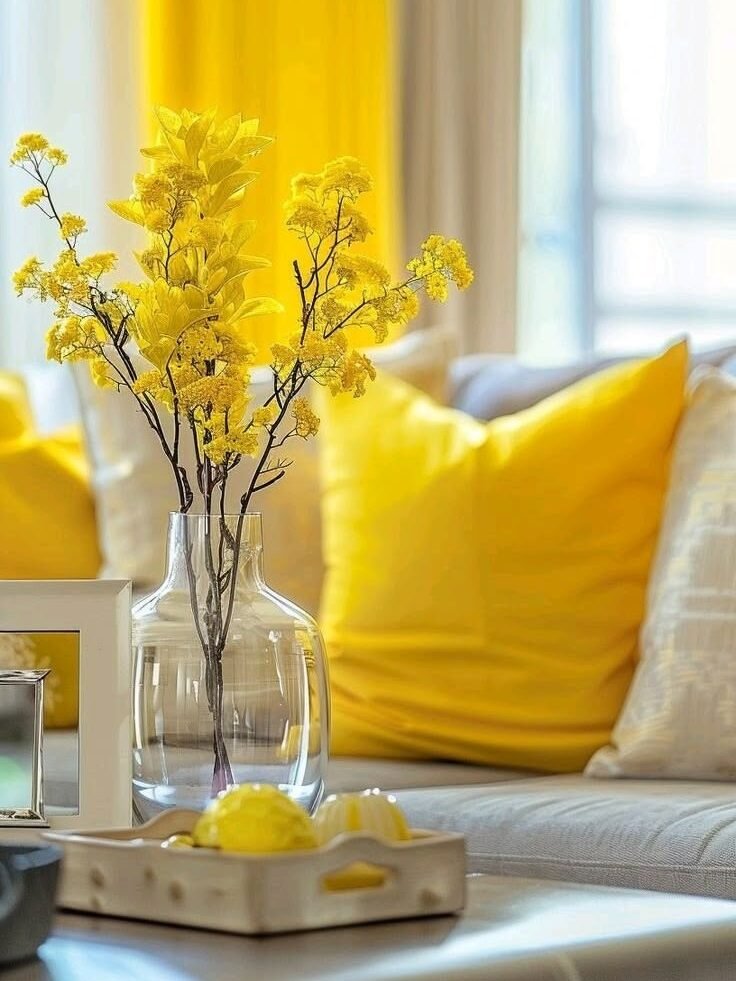
Metallic finishes can also add a refined touch. Warm brass and brushed gold work particularly well with butter yellow, especially when they appear in table lamps, picture frames, hardware, or small decorative objects.
Finally, leave some areas intentionally simple. A sophisticated living room does not need every surface decorated. Giving each carefully chosen piece enough visual space will make the overall design feel more considered and contemporary.
Finish With Subtle Repetition
Final Thoughts
Butter yellow has a softer character than many traditional yellow shades, which makes it surprisingly easy to bring into a living room. It can brighten a neutral interior, add warmth to modern furniture, or create a welcoming atmosphere when used across larger surfaces.
The most effective approach is to build the color into the room gradually. A sofa or painted wall can create a stronger statement, while cushions, throws, artwork, and accessories offer an easier way to experiment with the trend.
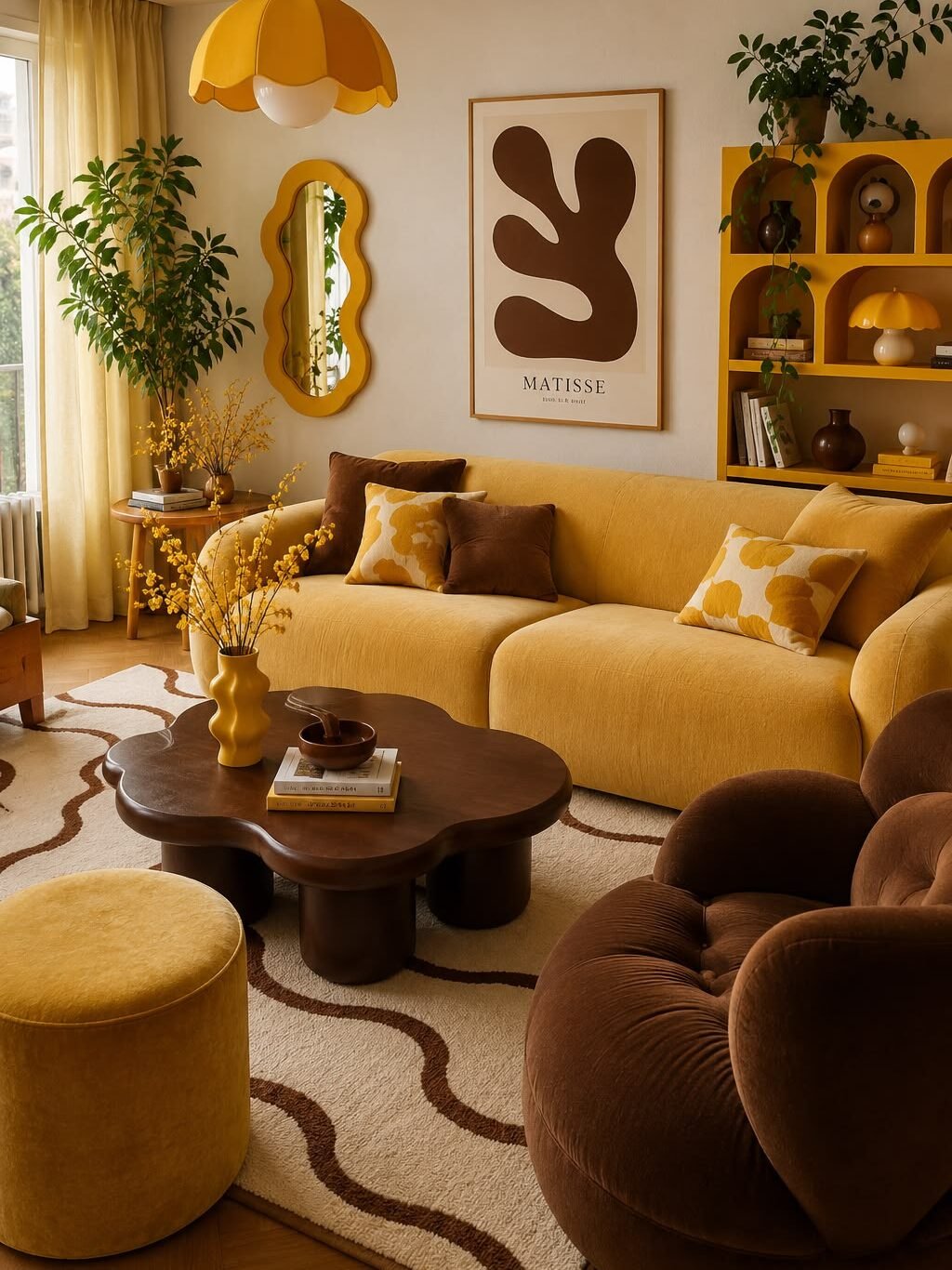
Pairing butter yellow with warm neutrals, natural wood, muted green, and deeper earthy tones can also give the space plenty of balance. Mixing different materials and textures keeps the palette interesting while preventing the room from feeling overly coordinated.
Whether you embrace butter yellow through one statement piece or use it throughout the entire space, the key is creating a room that feels comfortable and personal. With thoughtful layering, this cheerful shade can become a lasting part of your living room rather than simply a passing trend.