
Maximalism vs Minimalism: Which Home Decor Trend Wins in 2026?
 Emma Mia
·
·
7 min read
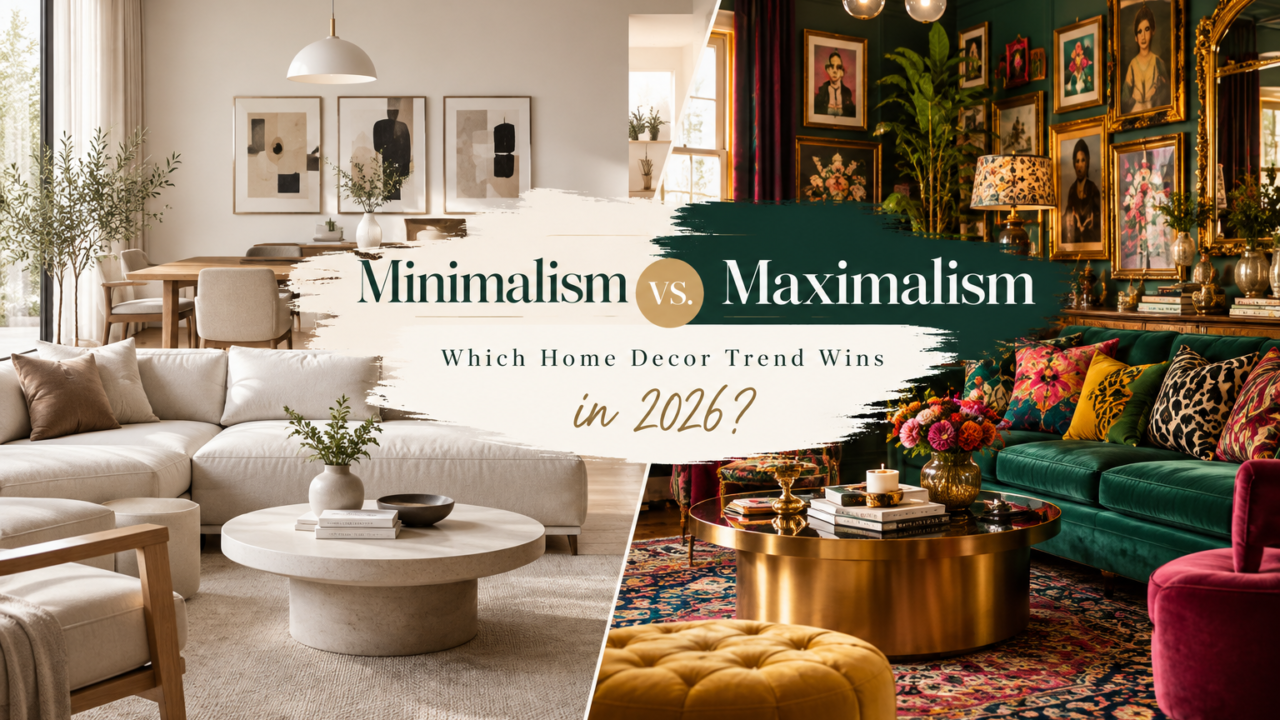
Home decor in 2026 is less about following one perfect style and more about creating spaces that reflect personality, comfort, and lifestyle. That makes the debate between maximalism and minimalism more interesting than ever.
Minimalist vs Maximalist Decor: 2026 Guide
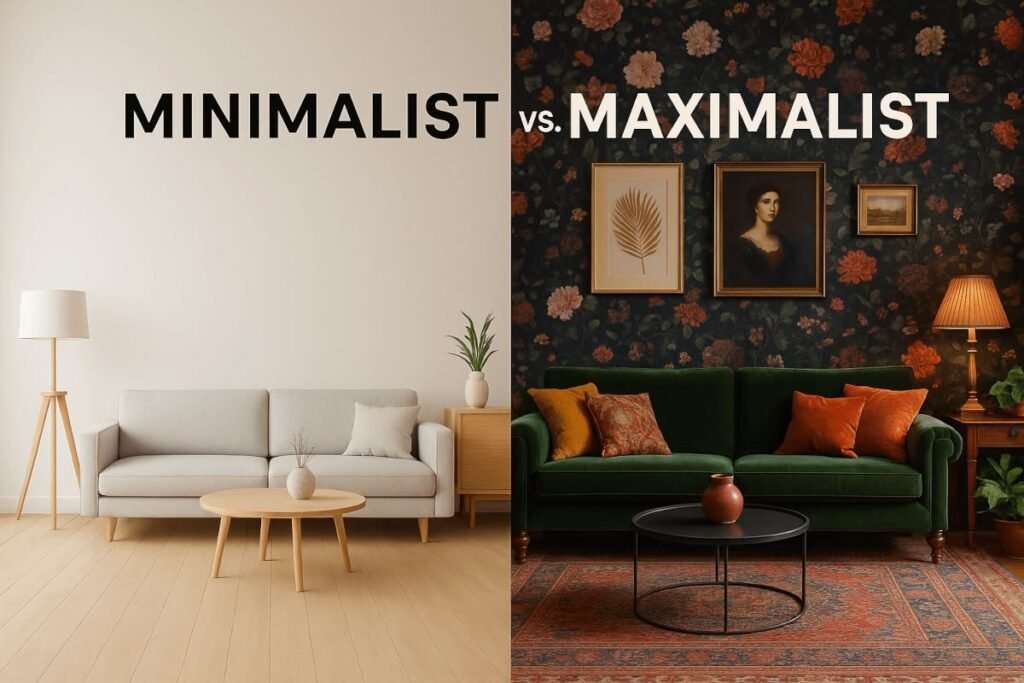
Maximalist interiors celebrate color, pattern, artwork, layered textures, and expressive objects. Minimalist spaces take the opposite approach, focusing on simplicity, clean lines, thoughtful materials, and visual calm.
But which style actually works better in 2026?
The answer depends on how you want your home to feel and how you use your space. Instead of treating Maximalism vs minimalism as strict opposites, modern interiors are finding ways to borrow the strongest qualities from both.
This guide compares the two decorating approaches, explains where each style works best, and explores why a more balanced interpretation may be the most relevant direction for 2026.
The Core Difference: More Versus Less
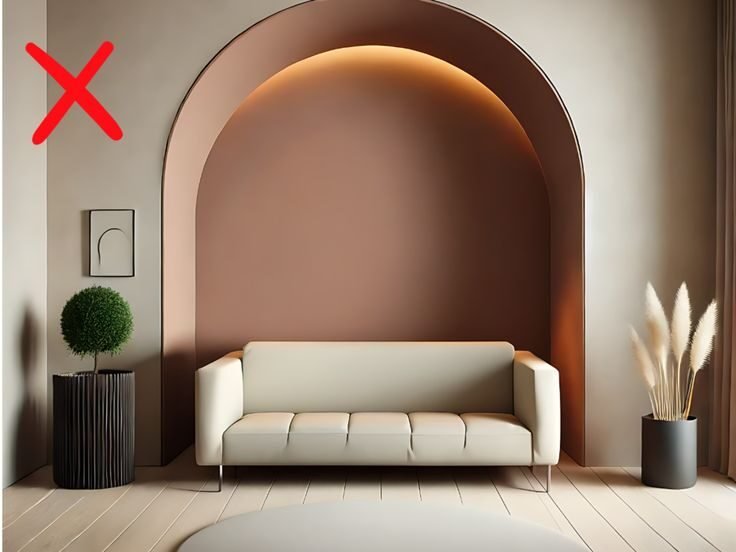
Maximalism and minimalism begin with very different design philosophies.
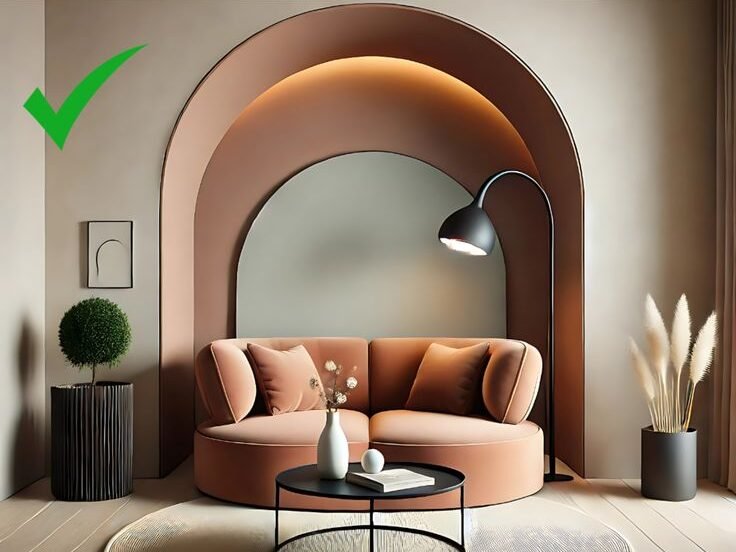
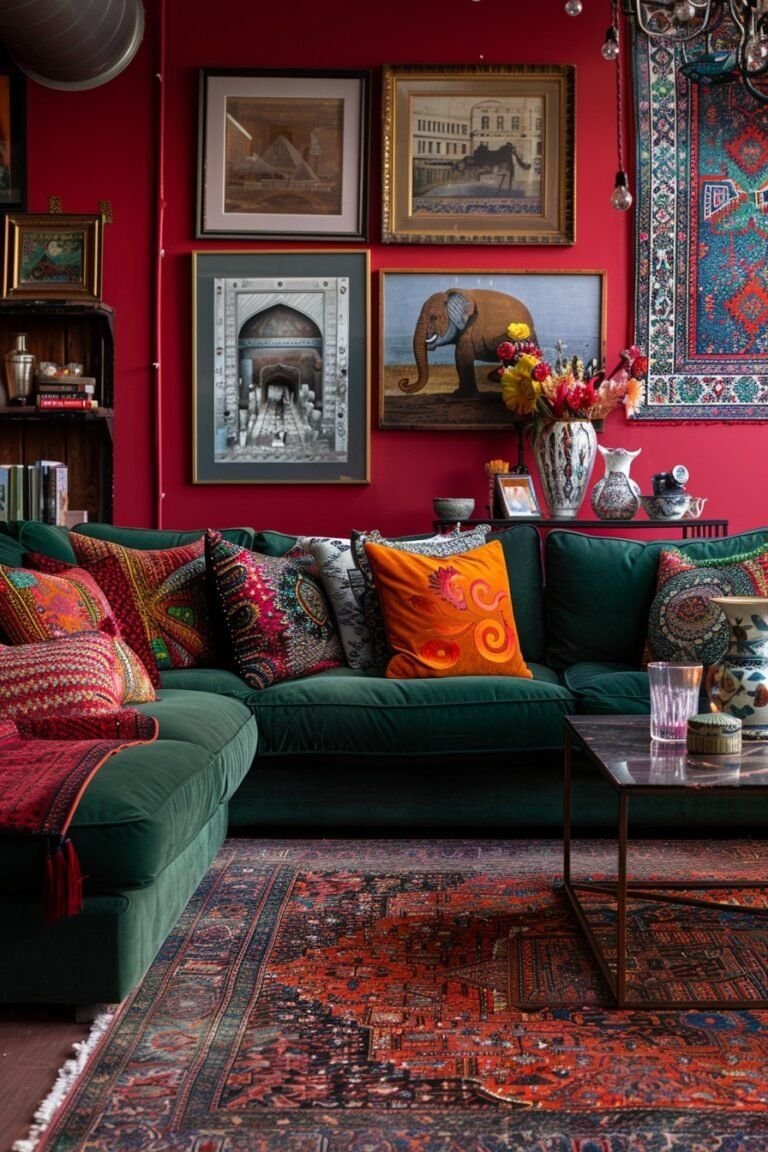
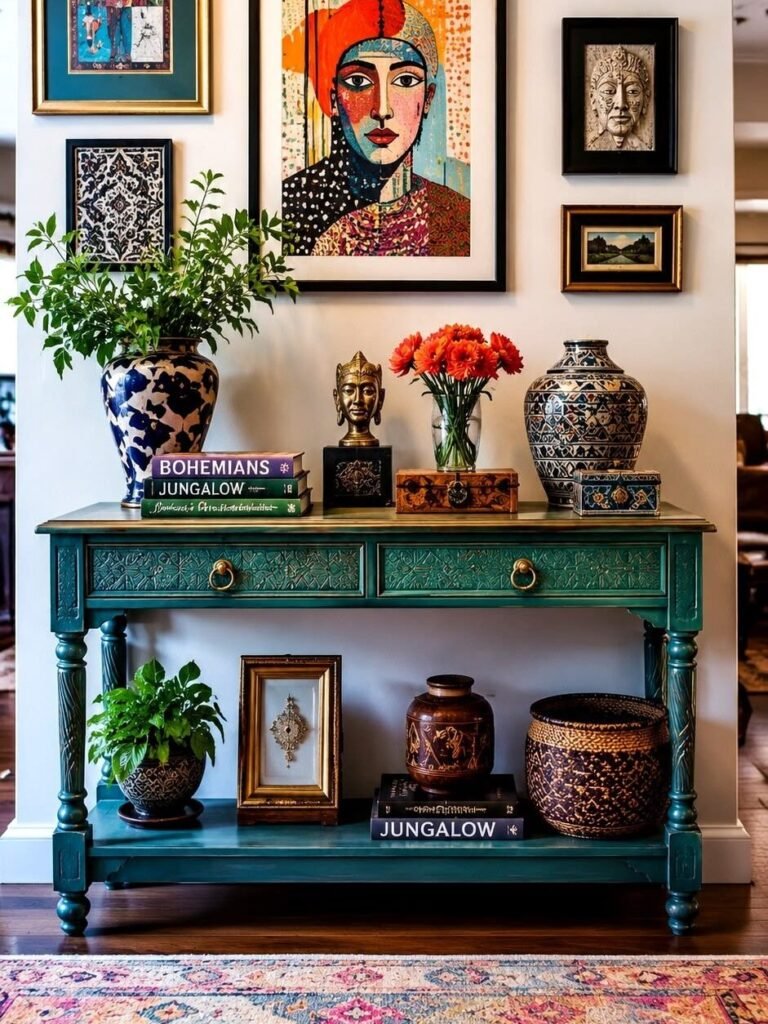
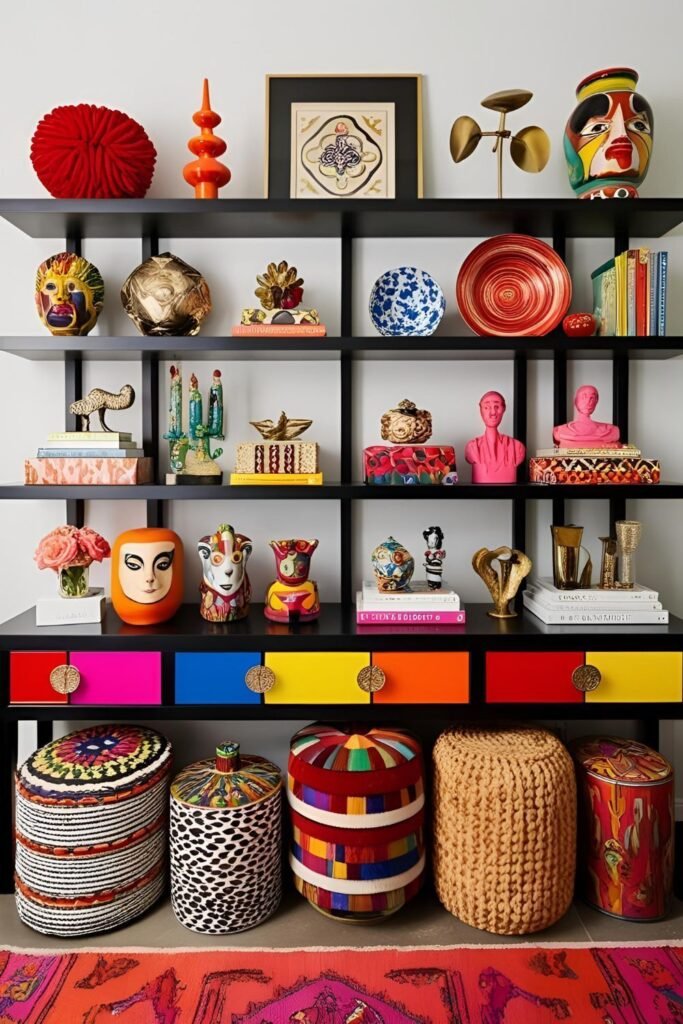
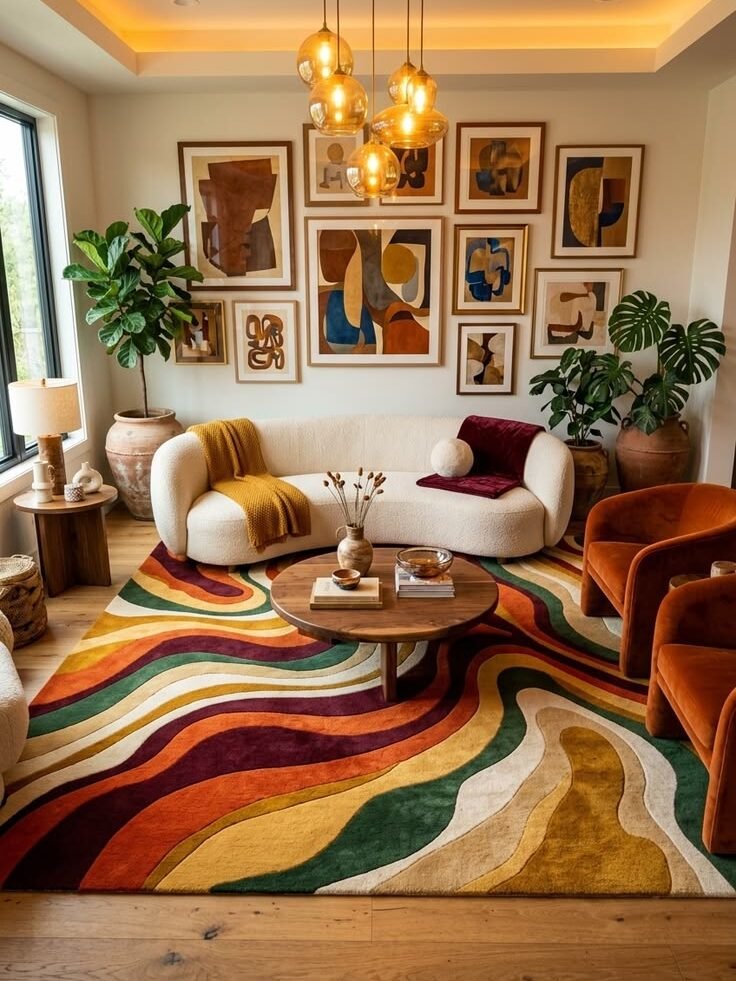
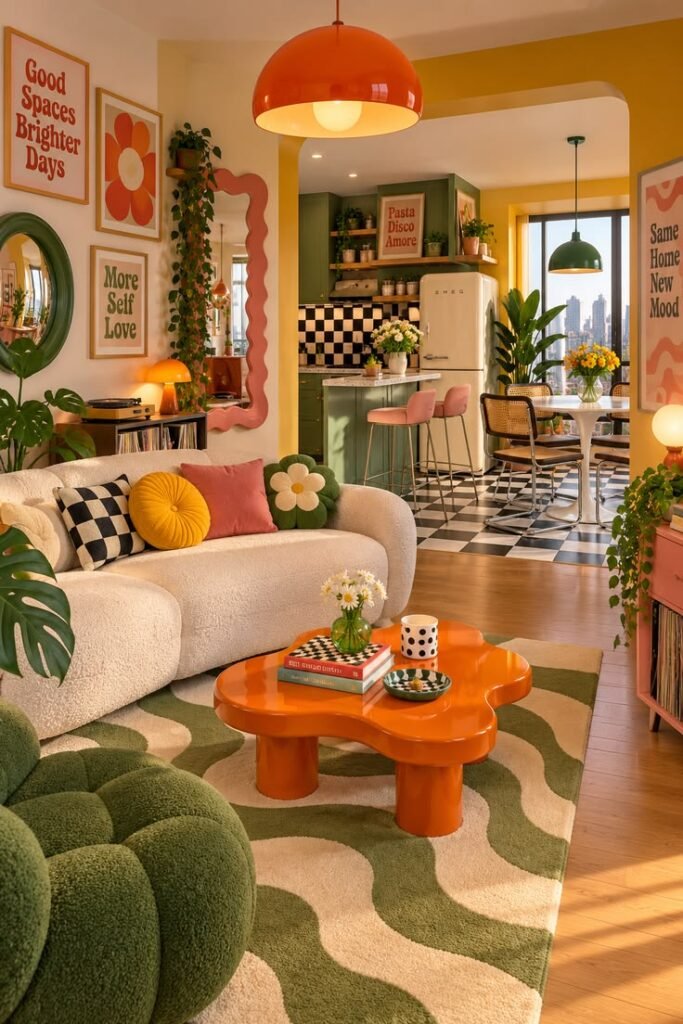
Maximalist home decor uses abundance as part of the design. Multiple colors, patterns, artwork, books, decorative objects, and contrasting textures can work together to create a layered and expressive interior.
Need more ideas for [Home Decor]? Explore our guide for practical inspiration.
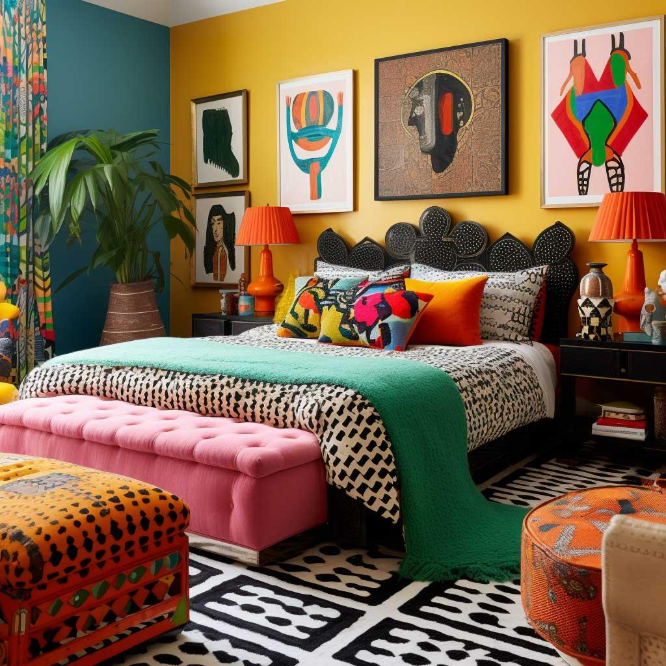
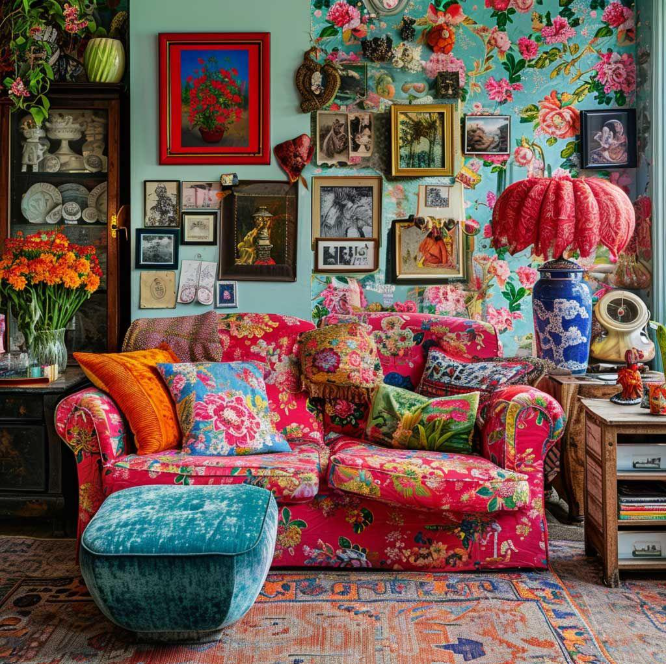
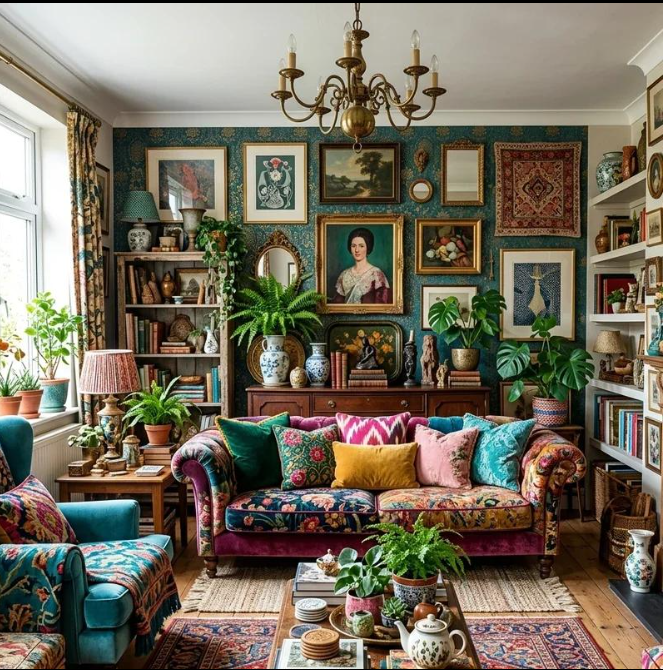
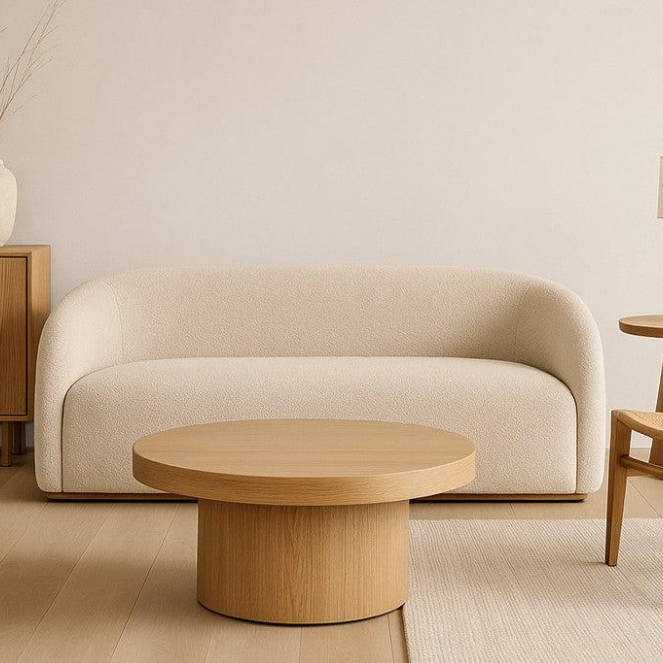
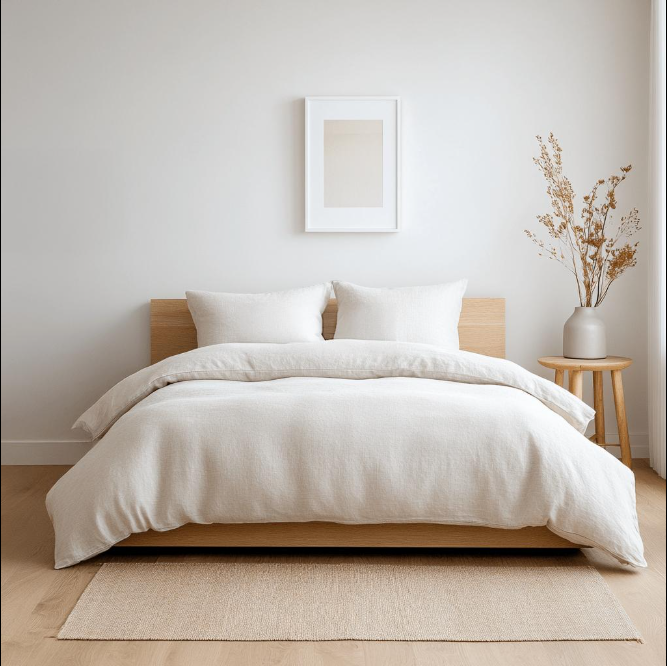
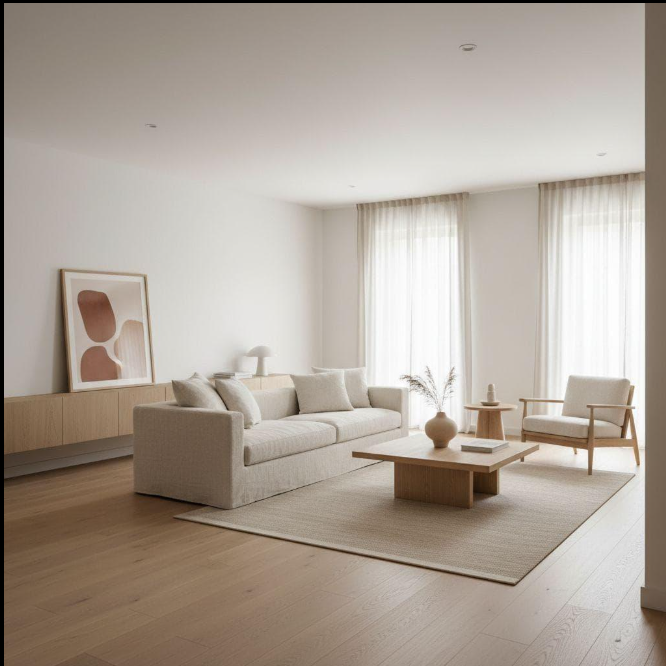
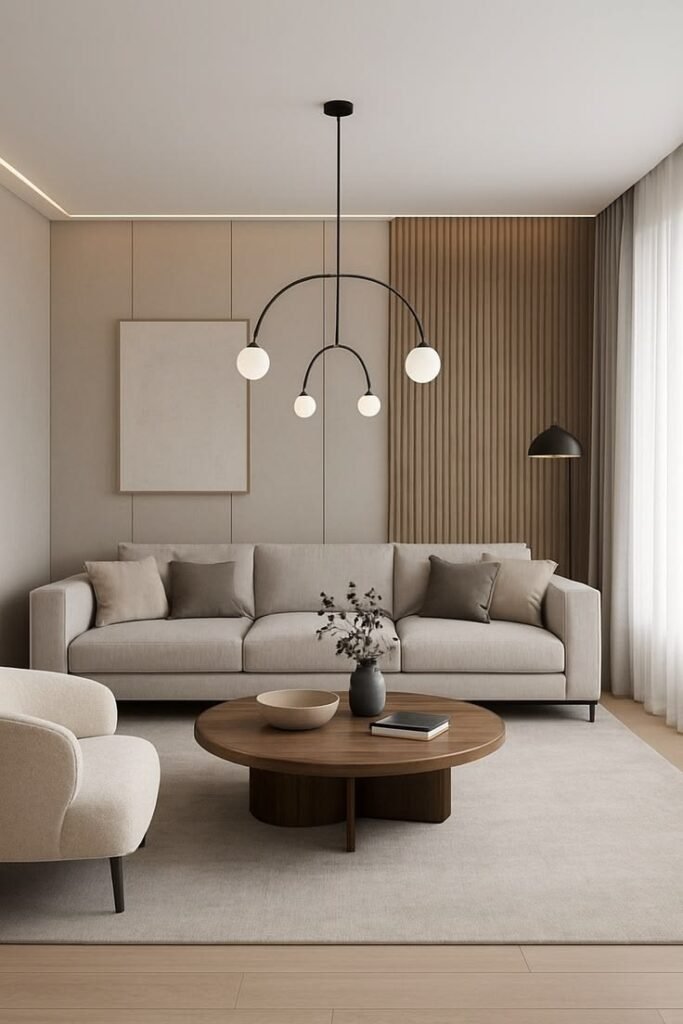
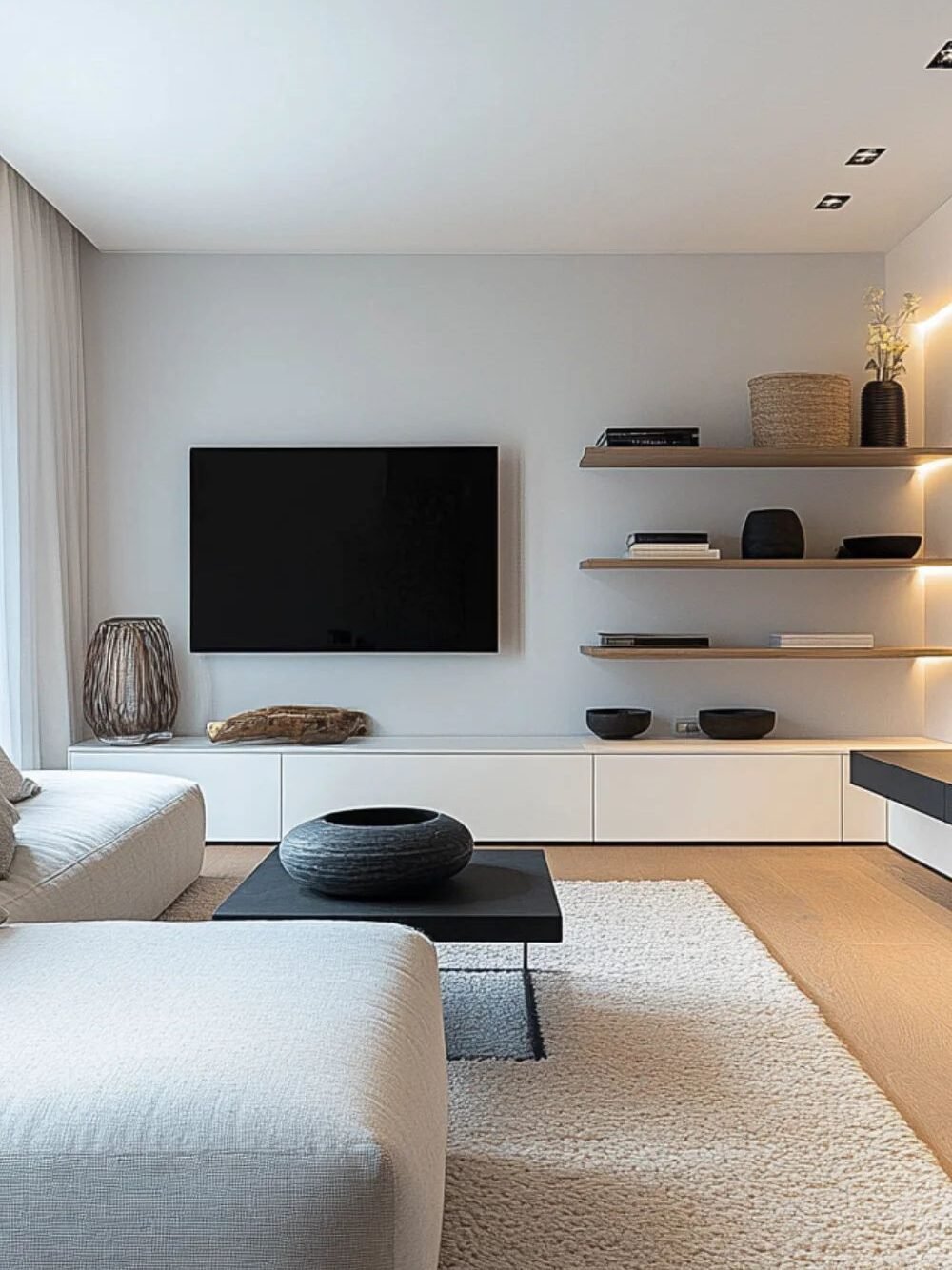
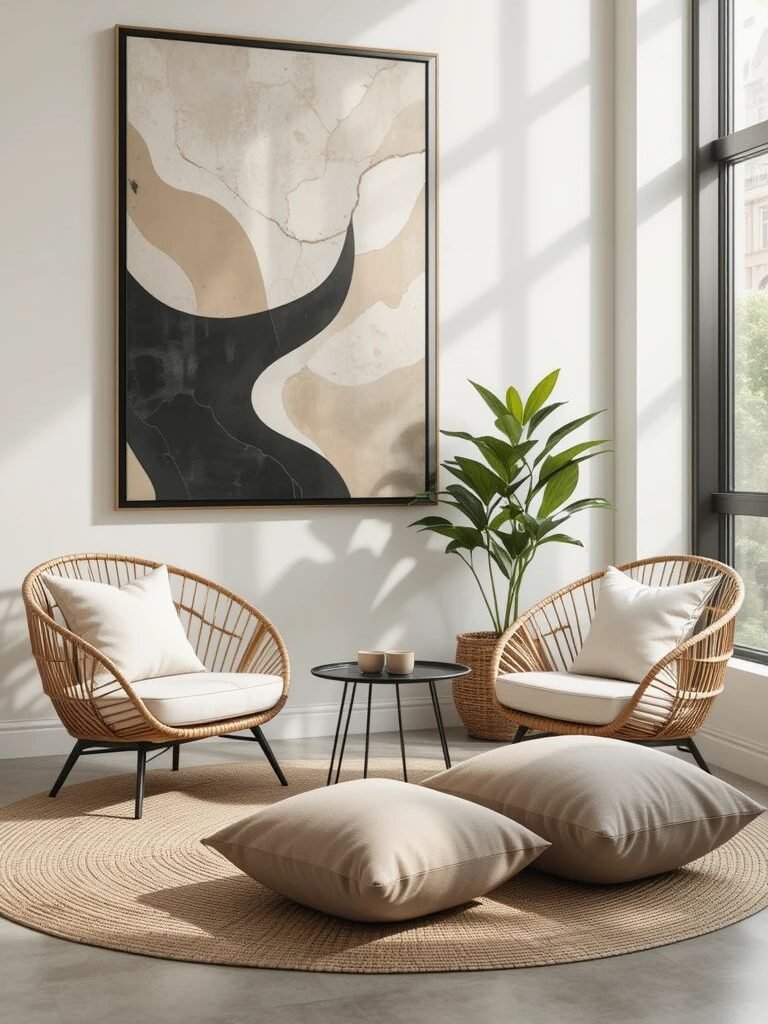
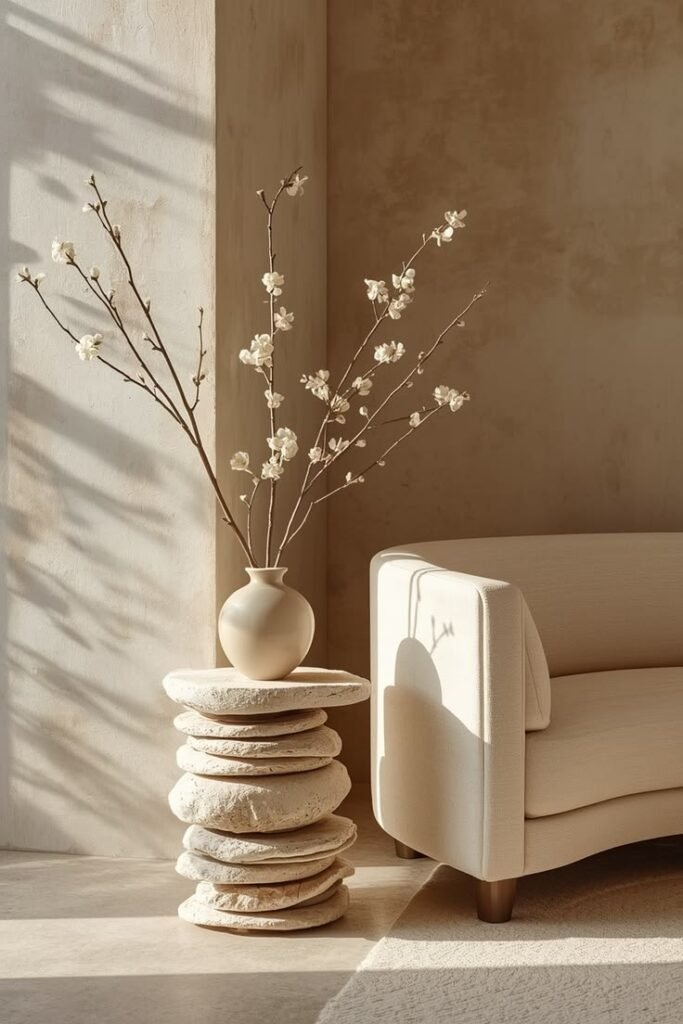
Minimalist home decor focuses on restraint. Furniture is carefully selected, unnecessary decoration is reduced, and open space becomes an important part of the composition.
Color Changes the Entire Mood
Color is one of the biggest differences between maximalist and minimalist interiors.
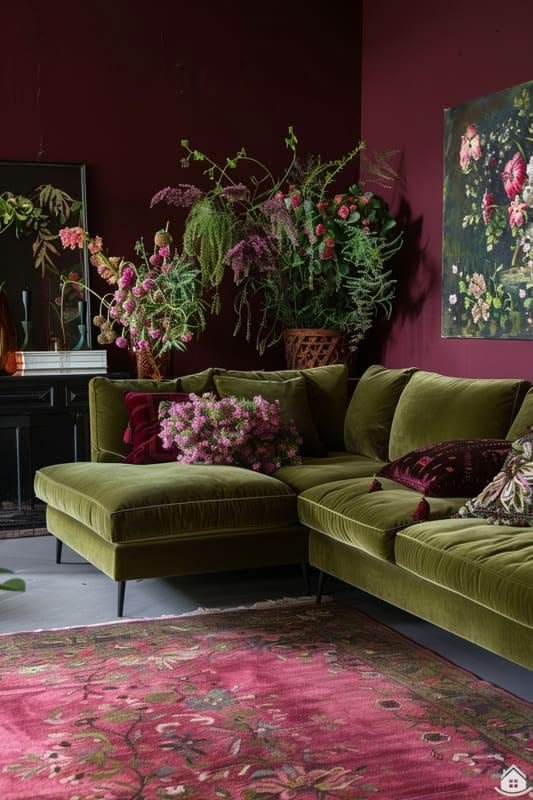
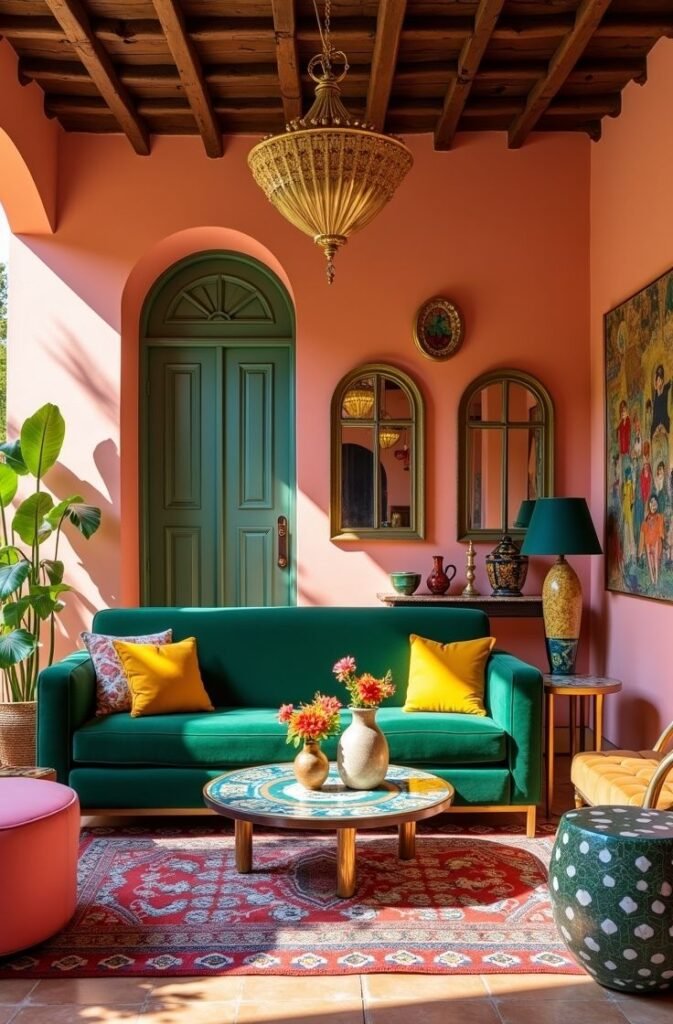
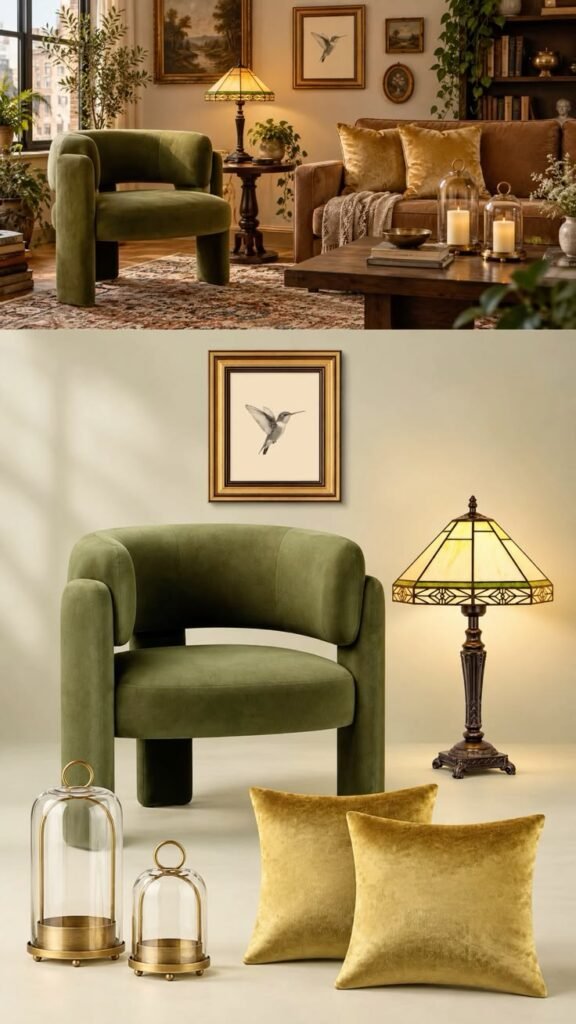
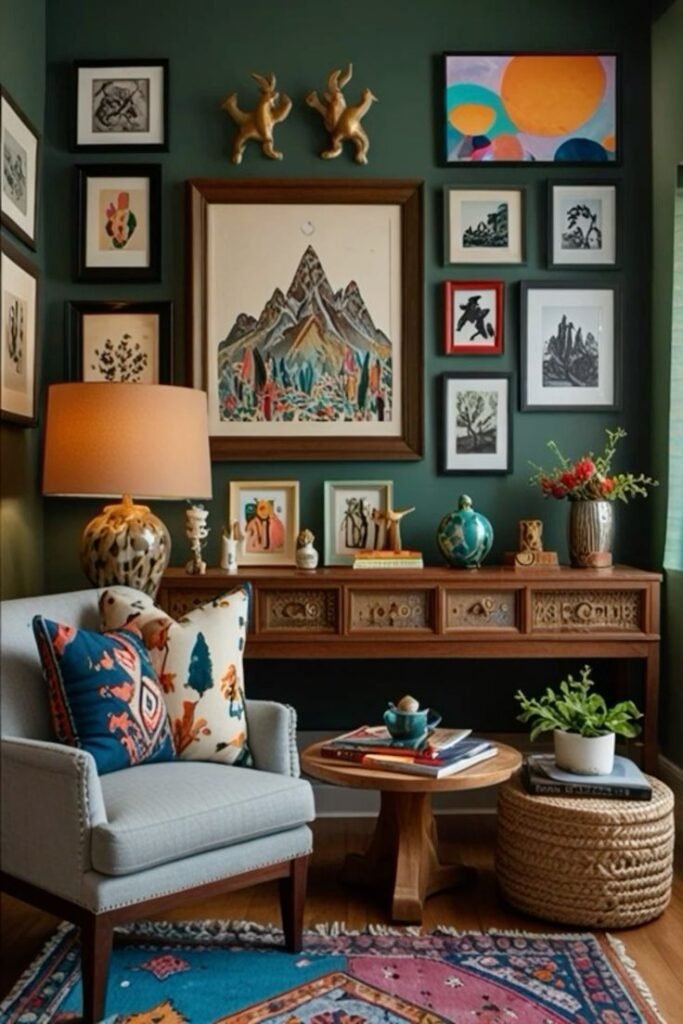
Maximalist rooms often embrace stronger combinations. Deep green, burgundy, cobalt, ochre, dusty pink, and terracotta can appear together when the palette is carefully balanced. Repeating colors through furniture, artwork, and accessories helps create cohesion.
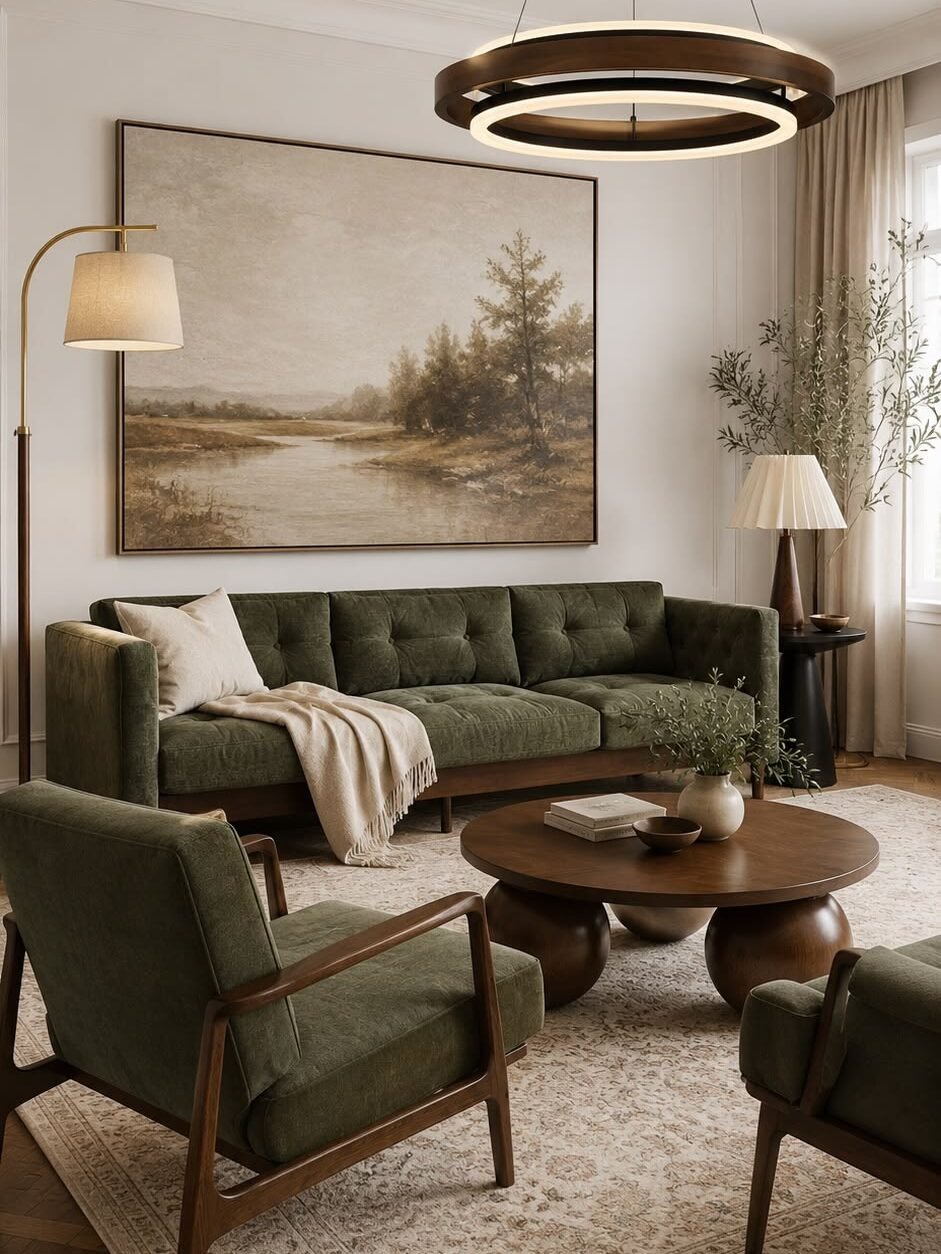
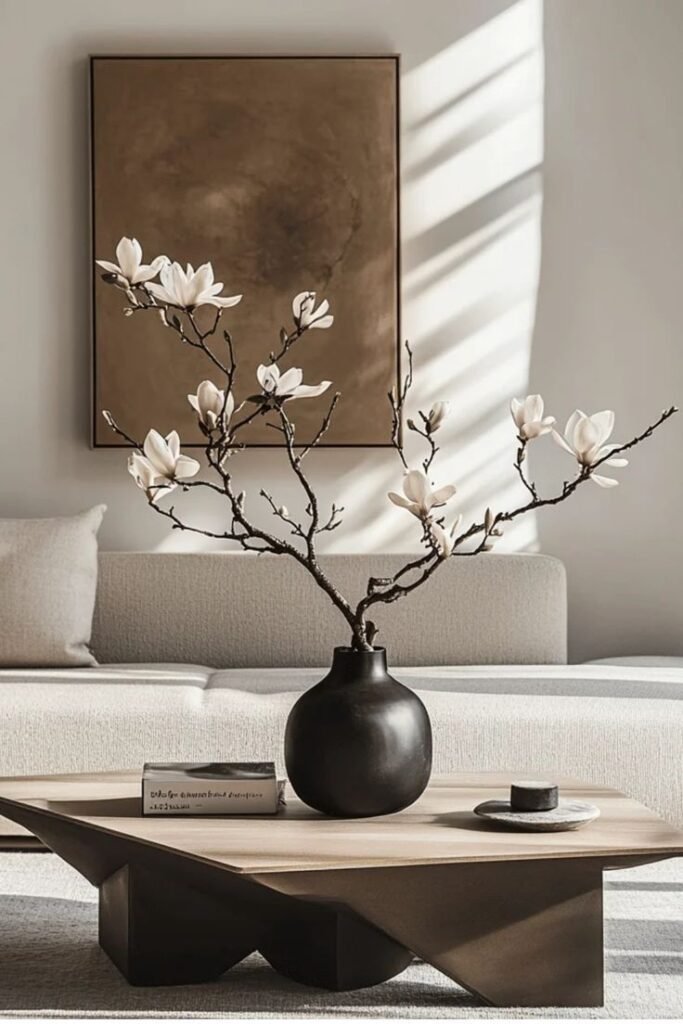
Minimalist interiors usually rely on a smaller palette. Warm white, beige, taupe, soft brown, muted gray, and natural wood can create a quieter visual experience.
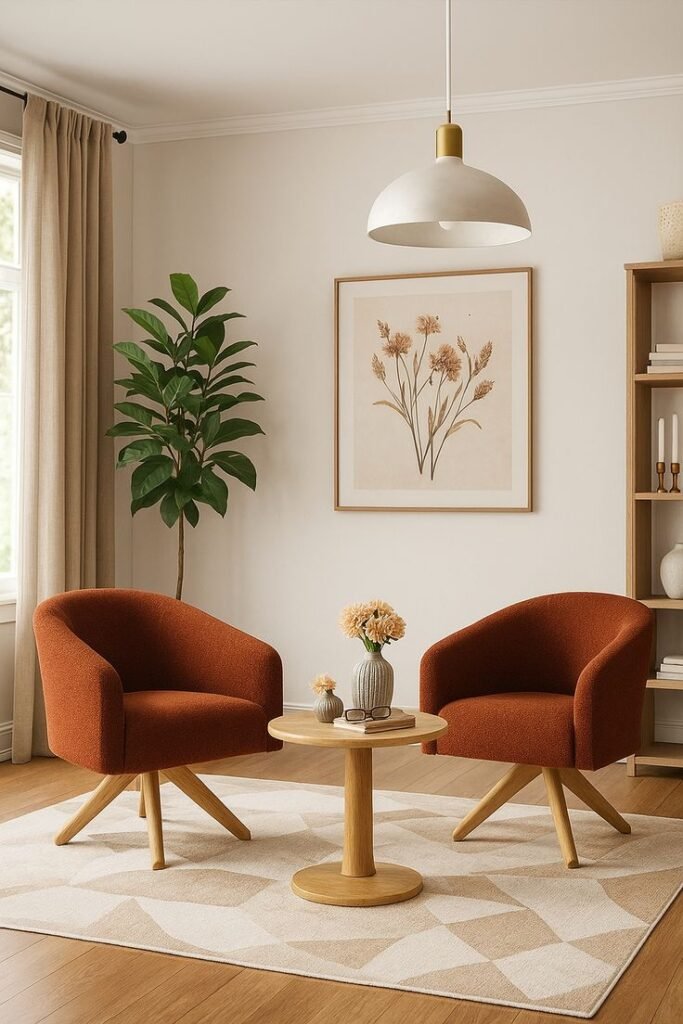
Neither approach requires a completely neutral or highly colorful room. The important part is consistency.
Choose the Mood First
If you want an energetic and expressive room, richer color can help create that feeling. If relaxation and visual simplicity are priorities, a restrained palette may work better.
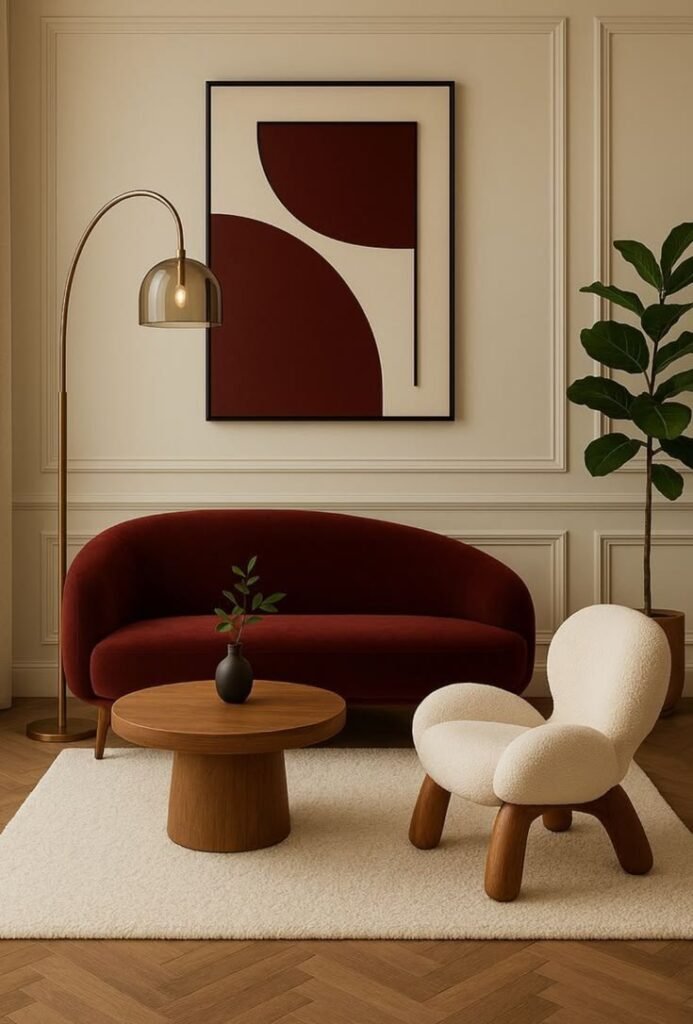
A useful 2026 approach is to combine a neutral foundation with one or two stronger accents, creating a middle ground between the two styles.
Furniture, Objects, and the Art of Editing
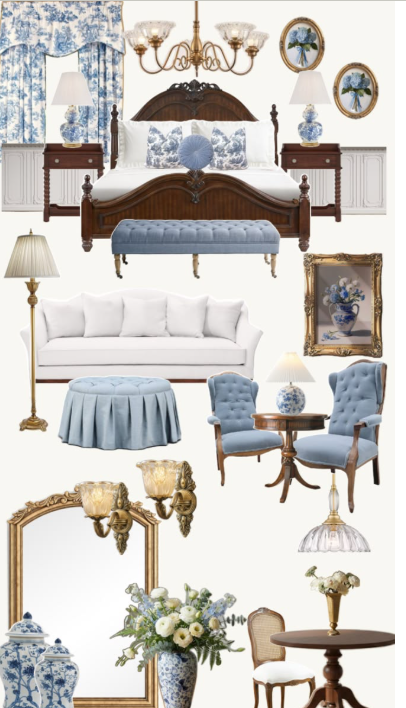
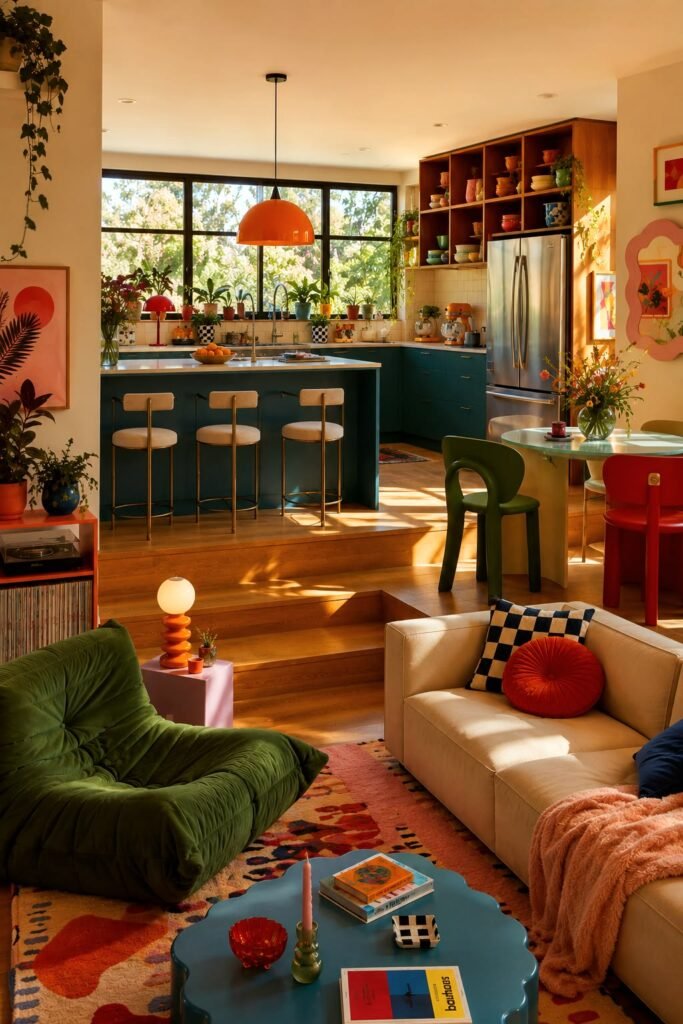
Maximalist interiors often use furniture and accessories as layers of personality. A vintage chair can sit beside a modern sofa, while artwork, books, ceramics, lamps, and textiles create additional visual depth.

Minimalist rooms take a more selective approach. Each piece needs to contribute to the function or atmosphere of the space, so furniture tends to have stronger silhouettes and fewer competing details.

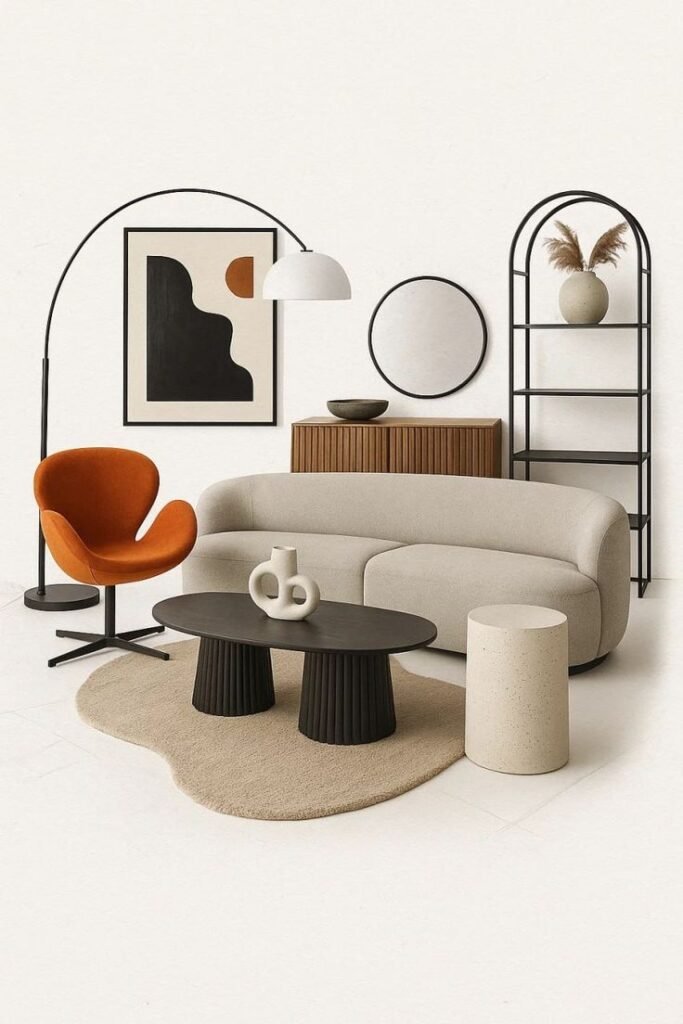

The interesting shift in 2026 is that these approaches are beginning to overlap. Even maximalist rooms benefit from editing, while minimalist rooms are becoming warmer through artwork, texture, and carefully chosen accessories.
Curate Instead of Filling
Whether you prefer more or less, every object should have a reason to be there. Meaningful pieces generally create a stronger interior than decoration added simply to fill empty space.
Texture Makes Both Styles Feel More Livable
Texture prevents minimalist interiors from feeling too stark and gives maximalist rooms another layer of depth.
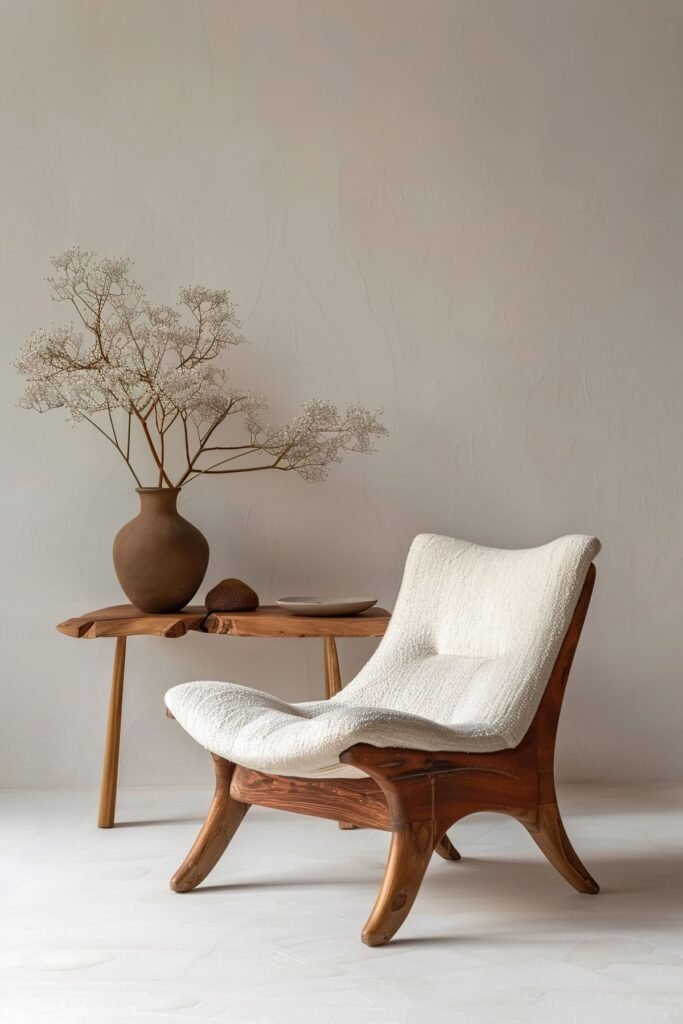
In a minimalist home, materials such as linen, oak, wool, stone, plaster, and ceramic can create visual interest without introducing excessive decoration. The room remains simple, but it still feels warm and tactile.
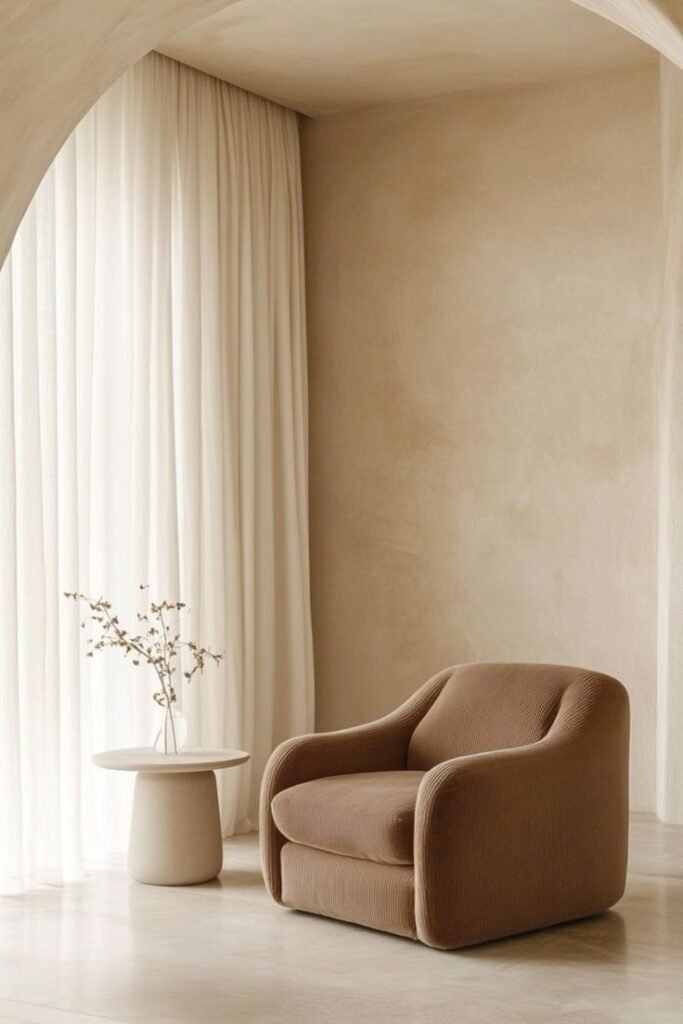

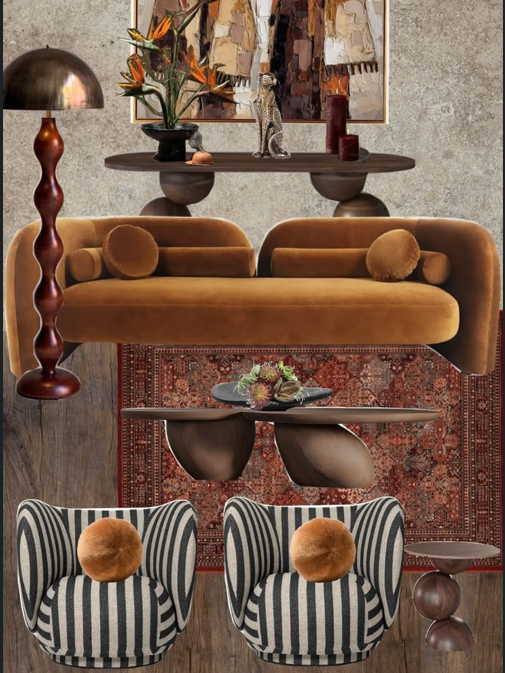
Maximalist interiors can take layering further by combining velvet, patterned textiles, woven materials, polished wood, metal, ceramics, and richly textured rugs.
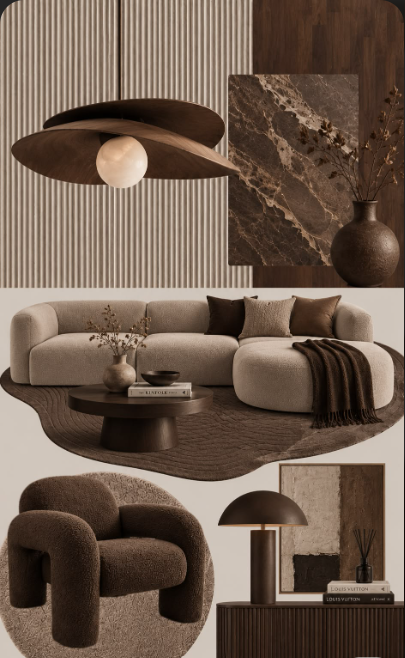
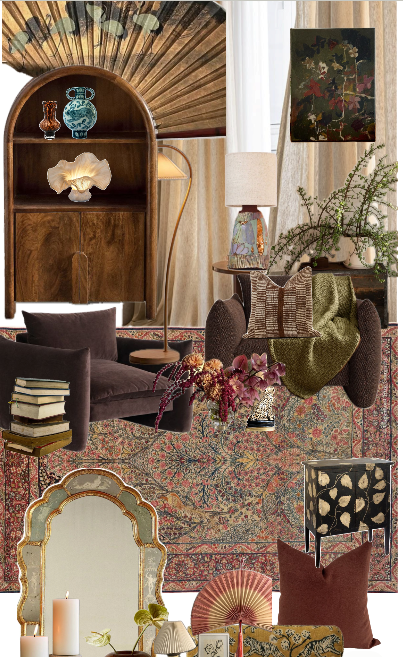
This is where both approaches can meet. A restrained room can still feel luxurious when its materials are carefully selected, while a colorful room can remain sophisticated when its textures are intentionally balanced.
Material Over Quantity
A room does not need dozens of accessories to feel interesting. Sometimes a beautifully textured sofa, natural wood table, handmade ceramic lamp, and woven rug can provide enough character on their own.
Which Style Works Better for Everyday Living?
Minimalism can make daily routines feel easier because fewer objects usually mean fewer visual distractions. Clear surfaces, practical storage, and intentional furniture placement can make a room feel organized and straightforward.
Maximalism can feel more personal because everyday objects become part of the decoration. Books, collections, artwork, travel finds, and meaningful furniture can give the room a strong sense of identity.
Neither approach automatically creates a more functional home. The best choice depends on your habits.
If you prefer clear surfaces and simple organization, minimalist styling may suit you. If you enjoy displaying collections and changing your decor, maximalism may feel more natural.
Function Should Lead the Style
The most successful 2026 interiors are designed around real life first. A beautiful room should still provide comfortable seating, useful storage, practical lighting, and enough space to move around easily.
Match the Style to the Space
Minimalist design can work particularly well in smaller rooms because a restrained palette and limited furniture can help the space feel open. Light colors, clear surfaces, and thoughtful storage can strengthen that effect.
Maximalism can be especially effective in rooms with interesting architectural features, generous natural light, or enough visual space to support multiple layers. Dining rooms, studies, bedrooms, and entertaining spaces can all benefit from a more expressive approach.
However, there are no strict rules. A small room can look incredible with rich wallpaper and bold artwork, while a large home can feel beautiful with a quiet minimalist palette.
Let the Architecture Guide You
Before choosing a decorating style, look at the room itself. Ceiling height, window placement, flooring, natural light, and existing architectural details can help determine how much color, furniture, and pattern the space can comfortably handle.
The Rise of Modern Balanced Interiors
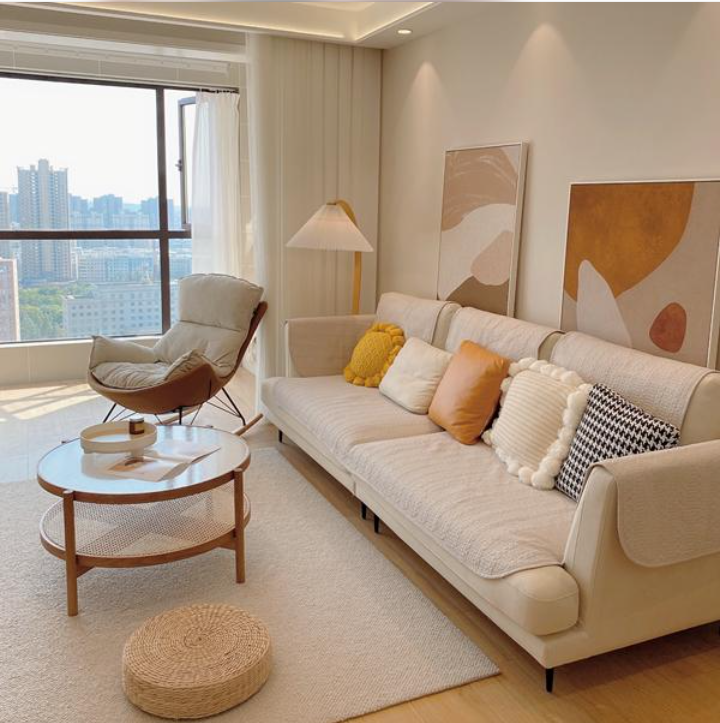
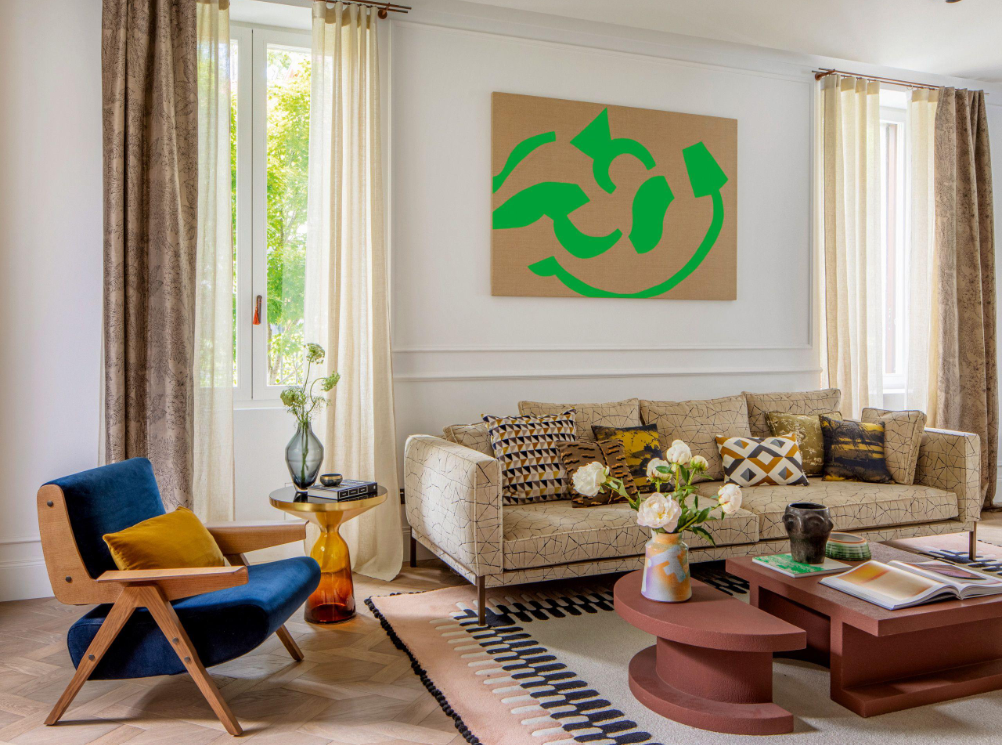
The most interesting interiors are moving beyond the strict maximalist versus minimalist debate. A growing design approach combines visual calm with carefully chosen moments of personality.
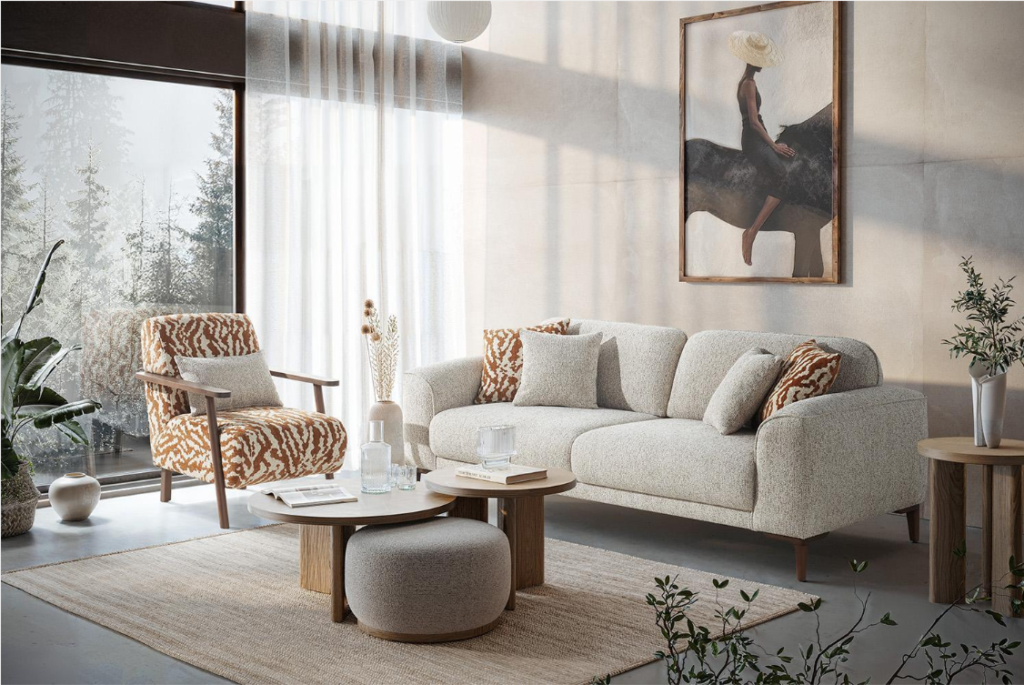
Think warm neutral walls with one dramatic artwork, a simple sofa with a patterned vintage chair, or a clean room filled with natural textures and a few colorful accessories.
This balance creates a space that feels expressive without becoming overwhelming. It also makes decorating easier because individual pieces can be changed without redesigning the entire room.
A More Flexible Design Philosophy
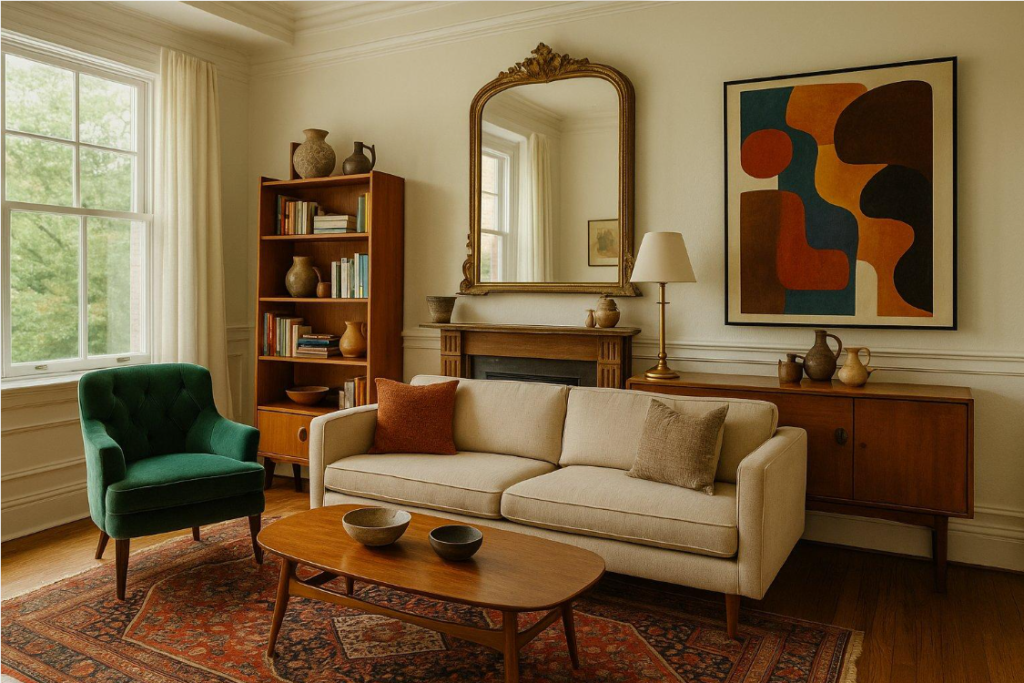
Instead of asking whether your home should be maximalist or minimalist, consider which elements from each style make your space feel better.
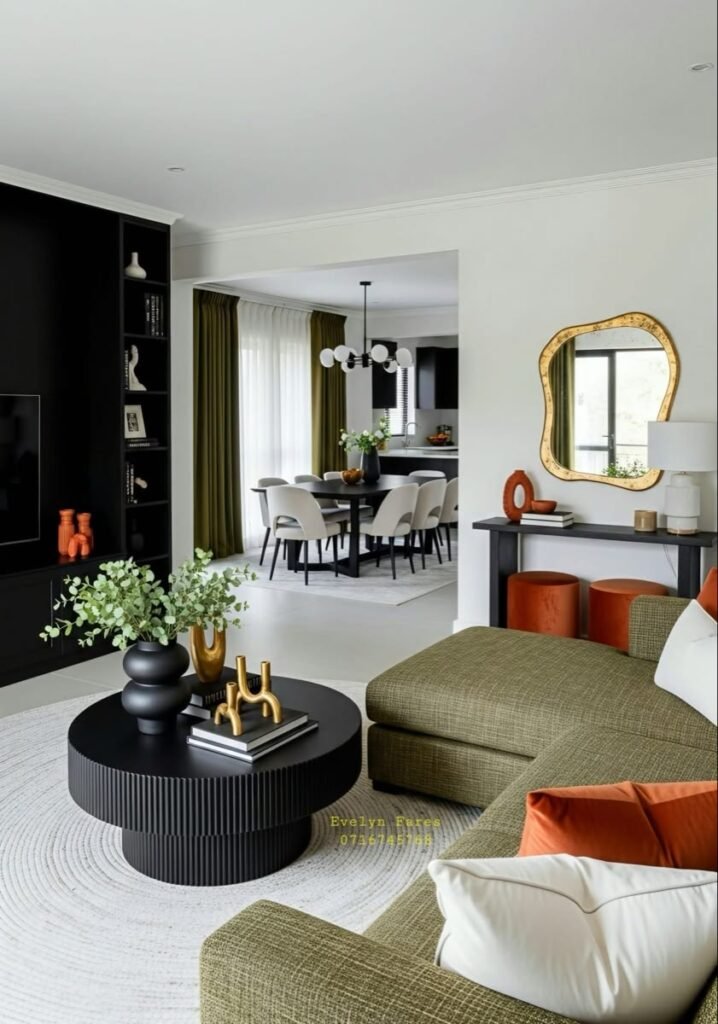
Use minimalism for structure and organization, then introduce maximalist touches through color, artwork, pattern, vintage pieces, or decorative objects.
So, Which Style Wins in 2026?
There is no universal winner between maximalism and minimalism. Both styles can create beautiful interiors when they are thoughtfully planned.
Choose maximalist decor if you enjoy color, pattern, collections, artwork, and rooms that feel visually expressive. Choose minimalist decor if you prefer simplicity, open space, natural materials, and a quieter atmosphere.
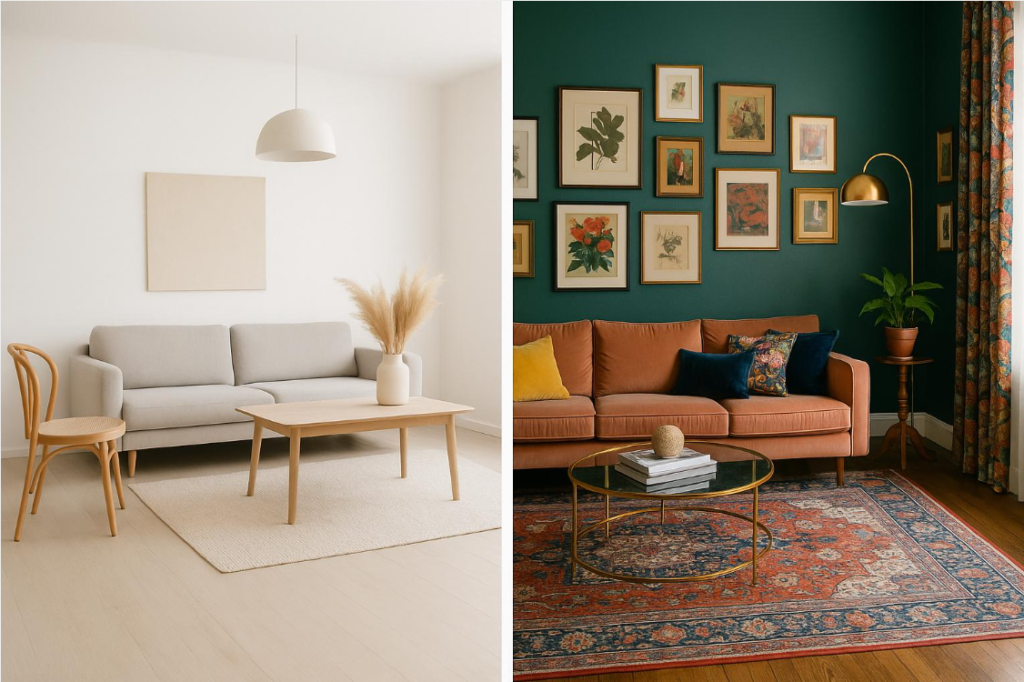
For many homeowners, the most practical answer is somewhere between the two. A warm minimalist foundation can provide structure, while carefully selected maximalist details can bring personality and character.
Let Your Home Tell Your Story
The best interior is not necessarily the one following the biggest trend. It is the one that feels comfortable, functional, and personal.
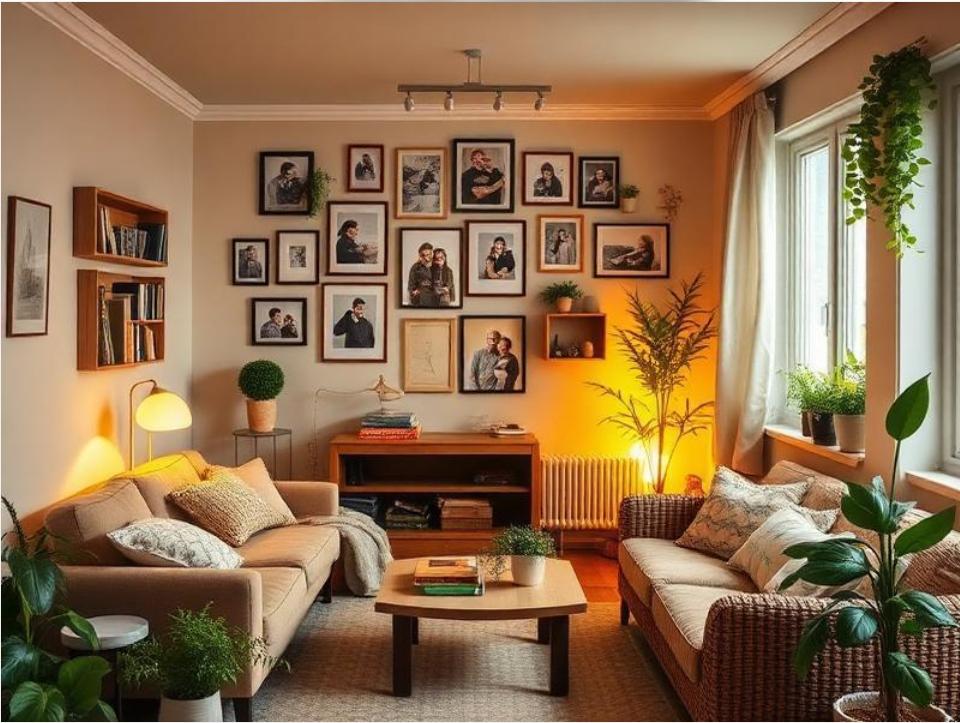
In 2026, that may be the real direction of home decor: fewer rigid rules and more freedom to combine ideas that genuinely work for you.